

























































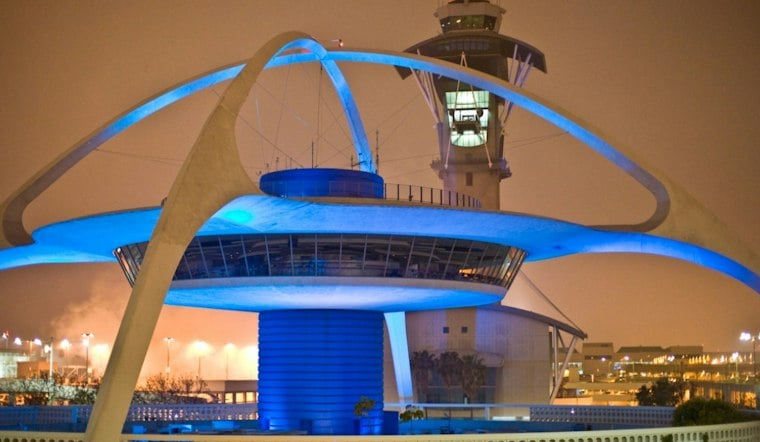
Air traffic controllers at Los Angeles International Airport have stopped tracking flights with paper strips, switching instead to digital systems as part of a nationwide effort to overhaul the country's aging air traffic control infrastructure. The airport is emerging as an early proving ground for new technology, revamped hiring and simulator-based training that federal officials say is needed to keep pace with a system many describe as outdated and under strain.
According to ABC7 Los Angeles, LAX is among the first airport control towers in the country to go digital in how controllers track flights, with controllers no longer relying on paper strips to track incoming and outgoing flights. That shift to digital flight tracking allows controllers to spend more time actually watching air traffic instead of managing paperwork, the station reports. Sherry Avery, the air traffic manager at LAX, said the new technology makes air traffic control safer and more efficient, and that easing controllers' workload gives them more time to monitor aircraft and confirm flights have accurate information.
The push at LAX comes as the Federal Aviation Administration has spent years trying to upgrade its systems, a process that has taken on new urgency following two incidents that raised alarm about the state of the nation's aviation communication systems. In January 2025, an Army helicopter collided with a passenger jet, killing 67 people. Then in August, Marine One, carrying President Donald Trump, came within one mile of a passenger jet in an incident linked to communication failures tied to White House construction.
A $12.5 Billion Down Payment on Aging Infrastructure
Those incidents have added weight to a modernization effort that Transportation Secretary Sean Duffy has backed with what ABC7 describes as a $12.5 billion down payment aimed at overhauling the country's aging air traffic control infrastructure. Former FAA administrator Chris Rocheleau said the air traffic control system needs to be transformed, and that future software tools could make travel between locations more efficient. He also said digital tools are part of the strategy for retaining air traffic control employees going forward.
The modernization plan includes replacing telecommunications equipment with fiber-optic or satellite technology and installing new radios, with the planned upgrades expected to apply to more than 4,500 sites nationwide. Officials say the full overhaul will take several years to complete. Avery said the upgrades could make air traffic operations both safer and more efficient once fully rolled out.
Faster Training, Bigger Hiring Push
Part of the modernization effort is aimed squarely at staffing. The FAA has said it needs thousands of new air traffic controllers and has adopted a more efficient hiring process that has allowed the agency to surpass its own hiring goals, according to the same report. New technology, officials say, will also be critical to retaining those thousands of new hires once they are trained and on the job.
At LAX, a high-tech simulator has already cut controller training time by 30 percent, letting trainees build experience alongside real-world time in the airport's control tower. The equipment behind that simulator is expected to become available at other airports across the country as the broader rollout continues.
Remote Towers Could Extend the Overhaul to Smaller Airports
The digital shift underway at LAX echoes a broader move toward remote and camera-based tower technology that the FAA has been exploring for smaller airports nationwide. Per Military Aerospace, the FAA has been seeking industry proposals for remote air traffic control tower systems, with a potential procurement of up to 50 units over five years. Those systems would rely on a digital environment built on cameras, sensors and panoramic displays rather than a traditional tower structure, and responses to the agency's request for proposals were due by 5 p.m. Eastern Time on June 26, 2026.
A policy brief from Reason Foundation notes that remote tower technology has already been proven and can provide air traffic control services to several small airports from a single facility, with construction costs described as a fraction of those for conventional brick-and-mortar towers. The brief also states that this kind of technology has the potential to maximize utilization of the limited national pool of certified controllers, since a single controller certified for multiple airports would still only handle traffic at one airport at a time. Successful remote-tower procedures have already been published and deployed for nearly a decade, according to the same brief, which adds that digital working environments supporting multiple airports may also help reduce workload and stress for controllers, aiding retention of highly trained staff.
For now, LAX remains one of the clearest examples of what the FAA's modernization push looks like in practice: fewer paper strips, faster-trained controllers and a tower built around digital tools rather than legacy equipment. Whether that model spreads quickly to the more than 4,500 sites slated for upgrades will depend on funding, hiring and a rollout officials themselves say will take years.





