

























































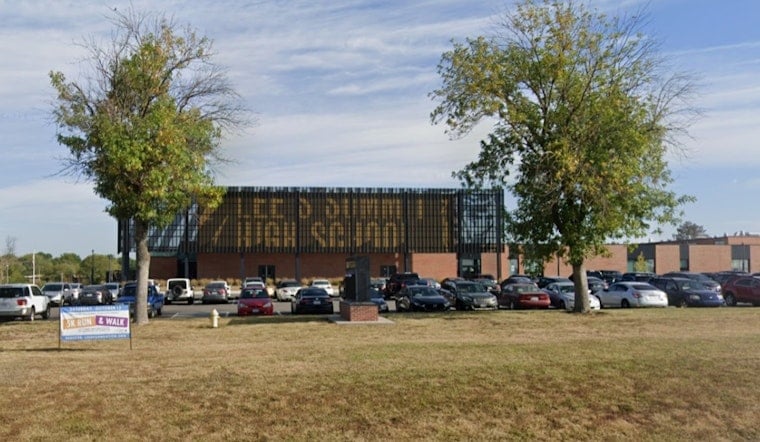
Lee's Summit R-7 School District is staring down a budget shortfall of between $7 million and $10 million, and the district's business chief says the blame falls squarely on Jackson County's new property tax credit program. The school board is set to decide on September 29 whether to reverse a voluntary tax levy rollback the district made back in 2023 — a move that could restore millions in revenue but would also raise property tax bills for residents.
According to the Kansas City Star, the shortfall stems primarily from the county's tax credit plan, which interim Jackson County Executive Phil LeVota has pushed since November 2025. LeVota signed an executive order backing the program on July 4, and the Jackson County Legislature voted the following week to write it into county code. The plan proposes reimbursing homeowners for 2023 and 2024 property tax payments tied to assessed home value increases above 15 percent, but doing so means dramatically reducing the tax payouts that go to schools, libraries, and cities across the county.
Chad Herzog, Lee's Summit R-7's assistant superintendent of business services, told the Star that the county's residential tax credits are “100% of the reason” the district is now considering reinstating its old, higher levy rate. He said state funding discrepancies played a smaller role in the shortfall than county-level financial decisions. The district, like most in Jackson County, relies mostly on property tax revenue to fund its annual budget, and the Star reports it is still waiting on the county's final assessed property values for the year — figures the district typically receives in late August or mid-September. According to the Missouri State Auditor's Office's 2018 Property Tax Rates review, property taxes largely fund public schools and are the main source of revenue. According to the Missouri Department of Elementary and Secondary Education School Finance Section's fiscal year 2023-2024 report, statewide Current Taxes totaled 3,844,432,997.43.
A Rollback Made in Good Faith, Now Under Reconsideration
The roots of the shortfall trace back to 2023, when Lee's Summit R-7 cut its levy rate by 65 cents per $100 of assessed valuation, dropping it from $5.3089 to $4.7112. That rollback, one of the largest voluntary reductions among Missouri school districts according to the Star, reduced the district's tax rate. Lee's Summit R-7 School District maintains the lowest overall property tax levy rate among public school districts in Jackson County, according to the district's own materials. According to the Missouri State Auditor's Office's 2016 Property Tax Rates review, reassessments of existing property are not intended to increase property tax revenue.
Herzog said the 2023 rollback “was the right decision at the time,” per the Star's reporting, but the retroactive tax credit program has upended those calculations. The district passed up $22 million in extra revenue in 2023 by making that cut, and now stands to lose roughly $26 million over time because of retroactive changes to 2023 and 2024 property tax values, the Star reports.
Jobs on the Line if the Board Doesn't Act
If the school board declines to reverse the rollback, the Star reports the district could eliminate up to 200 jobs to close the gap. Without the tax credit program in place, the district would have about 26% of its total budget available in liquid assets — a cushion that could shrink if the county's plan claws back previously allocated and long-spent dollars from taxing jurisdictions' budgets, per the same reporting.
Herzog said a levy rate reversal would generate additional property tax income to help cover the shortfall, and estimated that every one-cent increase in the levy would cost residents about $1.90 per $100,000 of assessed property value. The school board is scheduled to vote on the proposed levy rollback reversal on September 29.
Residents Weigh In as the District Holds Town Halls
Community reaction has been mixed. Dan Blake, a Lee's Summit resident whose son is a seventh grader in the district, told the Star that taxpayers have an obligation to maximize the value of every dollar spent, and said he supports strong public schools. He added that he isn't opposed to paying more in property taxes this year if the district uses the funds wisely.
Lori Cone, a retired LSR-7 teacher, offered a more cautious view, warning the Star that a tax increase could push some taxpayers out of their homes and out of the community altogether. The district plans to host a second budget-shortfall town hall meeting on September 8 at 6:30 p.m. at the Stansberry Leadership Center in Lee's Summit, giving residents another chance to weigh in before the board's late-September vote.
A County-Wide Fight Playing Out in Courtrooms and Legislatures
Lee's Summit R-7 isn't alone in feeling the squeeze. Libraries and the cities of Lee's Summit and Kansas City have also raised concerns about the tax credit program's budget impacts, and twelve Jackson County school districts wrote an open letter to LeVota outlining their objections to the plan, according to the Star. Separately, Jackson County's tax credit program is estimated to cost Mid-Continent Public Library roughly $6.4 million over three years — about $2.1 million annually — because the library system depends on property tax levies for most of its funding, according to a county-related briefing.
The legal fight has already claimed one participant. Independence and Fort Osage school districts originally filed a lawsuit against the county over the credit program, but Independence agreed on July 31 to settle and dismiss its case, according to KCUR. Fort Osage is now pursuing the lawsuit alone. The broader settlement, announced in July, would return approximately $250 million through three years of property tax credits to about 207,000 residential property owners whose 2023 and 2024 assessments exceeded Missouri's 15% cap, per KCUR's earlier reporting.
The political backdrop adds another layer of uncertainty. LeVota took office as interim county executive in October 2025 after voters recalled former Executive Frank White Jr. that September amid outcry over the 2023 assessment spikes, as Hoodline previously reported. LeVota himself was indicted by a federal grand jury in an indictment returned under seal on July 16 and unsealed after his August 6 court appearance, on five counts, including bribery, honest services fraud, and making false statements tied to his 2026 campaign, leaving the county's tax administration under a cloud even as school districts scramble to plug budget holes tied to his signature policy.
The disputes have also caught the attention of state lawmakers. Missouri House Speaker Jon Patterson, a Republican from Lee's Summit, established a Special Interim Committee on Property Tax Reform in mid-2025 to study assessment practices and their impact on municipalities statewide, according to the Missouri Press Association. For now, Lee's Summit R-7 families and staff are left waiting on the county's final assessed values and the board's September 29 decision to find out just how deep the cuts might run.





