

























































A Longwood personal injury lawyer has been disbarred by the Florida Supreme Court after he tried to help his father — a Central Florida attorney whose law license had just been stripped away — sneak into a jail meeting room reserved for attorneys and their clients. The scheme unraveled at the Orange County Booking and Release Center on January 13, 2025, when deputies caught the pair trying to use the son's active credentials to get the father inside.
Larry Powers III and his father, Larry Powers Jr., went to the jail that day to see Larry Jr.'s wife, who had been arrested that January, according to the Miami Herald. Larry III showed his own driver's license and Florida Bar card and was waved into the client-lawyer area to see his mother. His father, however, told a sheriff's deputy he was looking for help locating the same meeting area — and then produced a bar card and driver's license that didn't match. The bar card belonged to his son.
A License Revoked Just Days Earlier
The mismatch wasn't a paperwork mix-up. Larry Powers Jr.'s application for disciplinary revocation had been approved by the Florida Supreme Court on January 2, 2025 — just eleven days before he and his son showed up at the jail trying to pass off his son's credentials as his own, per the Miami Herald's reporting. Under Subchapter 3-5 of the Rules Regulating The Florida Bar, disciplinary revocation is explicitly defined as “tantamount to disbarment,” immediately terminating a lawyer's license. The Miami Herald said Powers Jr. was disbarred for five years and that readmission is sometimes possible.
Powers Jr.'s fall from the bar followed a Florida Bar investigation into his handling of client trust account funds. Miami Herald reporting also described allegations involving client money, a Mercedes dealer and LA Fitness.
He was emergency-suspended on Aug. 14, 2024, months before disciplinary revocation took effect in January 2025. He was accused of using clients' money for personal expenses before eventually turning it over to them, per the outlet's reporting.
Deputies Spot the Mismatched Names
Back at the booking center, once the deputy realized the identification didn't line up, both men were removed from the premises. A referee's report from Judge James Yancey states that Larry Powers III and Larry Powers Jr. indicated they represented the mother in a legal capacity, and that Powers Jr. again asked for assistance locating the client-lawyer meeting area even as the discrepancy was being sorted out.
Default Findings Led to Disbarment
What sealed Larry Powers III's fate wasn't just the jail incident itself — it was his silence afterward. He did not respond to the Florida Bar throughout the discipline process that followed, and Judge Yancey found him guilty of misconduct and minor misconduct, ultimately recommending disbarment. The findings included violations of the Rules of Professional Conduct, misconduct involving dishonesty, fraud, deceit or misrepresentation, misconduct prejudicial to the administration of justice, and misconduct for failing to respond in writing to the grievance.
The Powers Case and Client Funds
The Powers case centers on allegations about an attorney's handling of client funds.
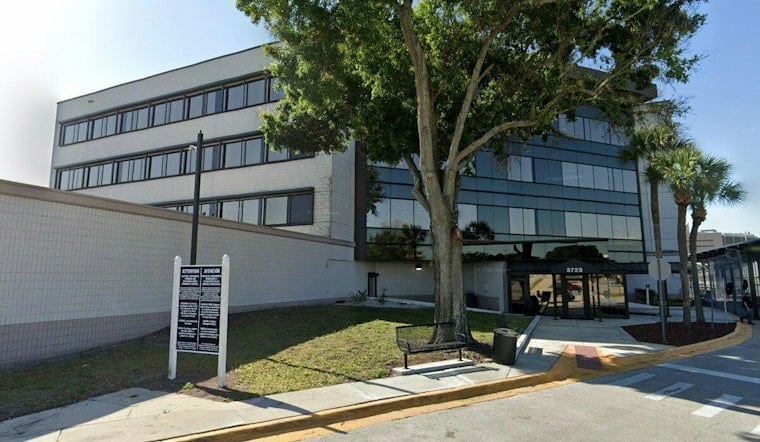
The Orange County Booking and Release Center, a 300,000-square-foot facility that also houses three courtrooms, according to the Ninth Judicial Circuit Court of Florida. In this case, deputies checked the men's identification and discovered the mismatch.
Florida courts have shown they're willing to escalate against disbarred attorneys who keep exercising legal privileges. Hoodline previously reported that the Florida Supreme Court sentenced a disbarred Broward attorney to 60 days in jail after finding him in contempt for continuing to practice law following his permanent disbarment. Disciplinary revocation, unlike a straightforward suspension, ends bar discipline cases against the lawyer and does not affect any separate criminal or civil cases that might arise from the attorney's underlying conduct — meaning the trust account allegations against Powers Jr. could still carry consequences beyond the loss of his law license.





