

























































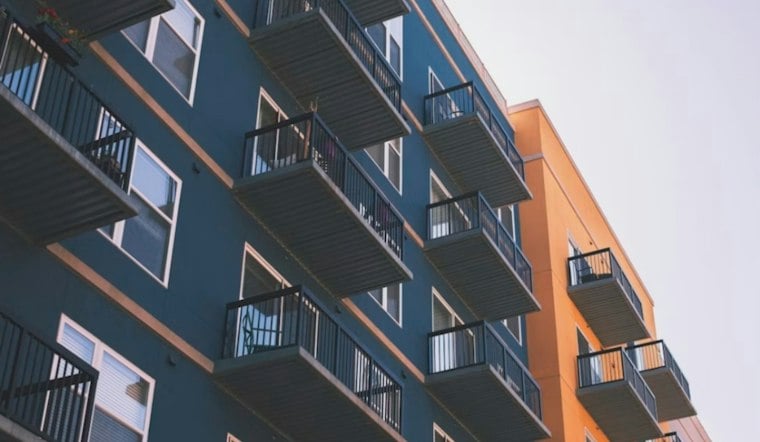
Manhattan's median rent stood at $5,285 in August, up 7% from a year earlier, while studio apartments alone reached a median of $4,186 — nearly matching what a full one-bedroom cost in the borough back in 2022. Brooklyn wasn't far behind, with its median rent hitting an all-time high of $4,368 the same month.
The figures come from a monthly rent report shared by New York City Comptroller Mark D. Levine
, who tied the numbers directly to a shortage of available apartments. Levine's post noted that available listings across the city fell to their lowest August level in at least eight years, and he framed the surge in prices as the direct result of a severe lack of housing supply rather than a temporary market blip.
That scarcity isn't new. The NYC Department of Housing Preservation and Development reported in February 2024 that the city's net rental vacancy rate had plunged to just 1.41% in 2023 — the lowest level recorded since 1968 — leaving only 33,210 available rental units citywide. The situation is even more dire at the low end of the market: City Limits reported that the vacancy rate for apartments priced below $1,100 a month was just 0.39% that same year, an almost total absence of affordable inventory that housing advocates consider a severe emergency at any rate under 5%.
A Split Market: Freezes for Some, Record Highs for Others
The pain isn't evenly distributed. In June, the New York City Rent Guidelines Board voted to approve Order #58, freezing rents at 0% for one- and two-year renewal leases on roughly one million rent-stabilized apartments starting October 1, a move detailed by The Habitat Group. That freeze fulfilled a campaign commitment from municipal leadership, but it applies only to stabilized units — leaving market-rate renters like those chasing Manhattan studios to absorb the full brunt of the city's inventory crunch.
Just how strained that market-rate segment can be is illustrated by last year's swings. According to The Corcoran Group, Manhattan median rents briefly dipped 3.5% year-over-year to $4,245 in August 2024 before surging back to new record territory — a reminder that even rare moments of relief have proven short-lived. Citywide, more than 40% of renter households are considered rent-burdened, spending 30% or more of their income on housing, with a quarter of renters handing over more than half their gross income toward rent, according to the Mayor's Office to Protect Tenants.
Policy Moves Address Fees and Zoning, Not Monthly Costs
Lawmakers have moved on multiple fronts, though none directly caps what landlords can charge on the open market. In July, the U.S. Second Circuit Court of Appeals upheld the city's Fairness in Apartment Rental Expenses Act, according to Courthouse News Service, preserving a law in effect since June 2025 that bars landlords from passing broker fees onto tenants after real estate groups challenged it in federal court. The ruling lowers upfront moving costs but does nothing to slow monthly rent growth itself.
On the supply side, the City Council approved the sweeping “City of Yes for Housing Opportunity” zoning overhaul in December 2024, the most extensive rewrite of city zoning since 1961, aimed at generating roughly 80,000 new housing units over 15 years. Yet the gap between that long-term goal and near-term need remains vast.
State lawmakers have also piled on additional proposals. Hoodline previously reported on 32 housing proposals in Albany, including measures to penalize rent overcharges.
Timing Still Matters for Renters
For renters weighing when to sign, timing can still make a meaningful difference even amid record highs. Signing a lease in December rather than during the August rush can affect what renters pay.
None of the recent policy wins — the broker-fee ban, the rent-stabilized freeze, or the zoning overhaul — directly constrains how much landlords can charge for market-rate units like the Manhattan studios now running as high as 2022's one-bedrooms. As the comptroller's own numbers underscore, the city's ability to close its housing gap will depend on whether new construction can eventually catch up to demand that keeps outpacing every unit built.





