

























































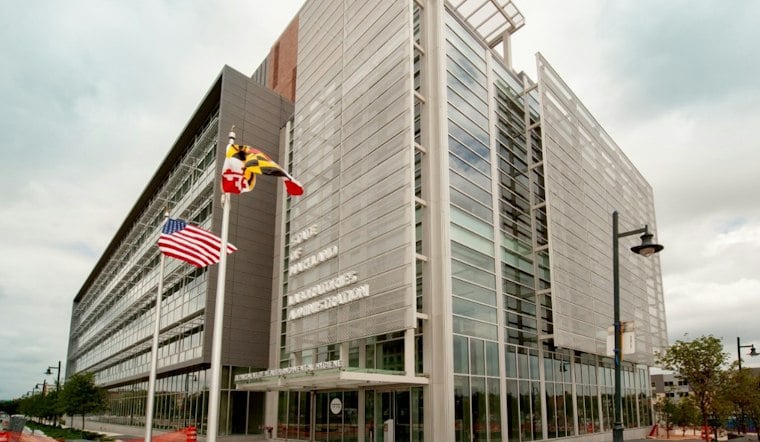
Maryland's health care fraud watchdog has identified more than $42 million in improper or unrecovered payments over the past four years, but a new state review finds the agency doing the digging has been hobbled by chronic staffing shortages and limited public transparency. The findings come from the Office of Legislative Audits' first-ever evaluation of the Office of the Inspector General for Health, known as OIGH, since the agency split off from the Maryland Department of Health in 2022.
According to WBFF, the Office of Legislative Audits reviewed how OIGH detects improper Medicaid payments and monitors spending at local health departments, ultimately crediting the agency with 1,369 investigations and 53 audits between fiscal years 2023 and 2025. Those efforts identified $41.9 million for potential recovery over that same three-year stretch. The audit itself covered a broader four-year window, from July 1, 2022 through April 30, 2026, according to the Maryland Department of Legislative Services, which is part of the same office that produced the audit.
OIGH became an independent state agency under Chapter 325 of the Laws of 2021, effective July 1, 2022, when certain funding and staff were transferred from the health department to the new agency, per the same legislative services report. The transition established OIGH as a standalone agency.
Where the Money Is Owed
OIGH reported its results directly to the entities it audited and to the Maryland Department of Health, but for years it did not make its audit and investigation reports publicly available, per WBFF's report, instead providing them to the public only upon request. That changed in August 2026, when the agency launched a public-facing website, and it posted its first 20 reports earlier this month.
Those 20 reports outlined roughly $4.3 million owed to the state by health care providers and $1.7 million owed by local health departments, the station reported. The local health department discrepancies involved documentation errors, missing equipment and other fiscal issues — with Frederick County's health department owing just $63 to the Maryland Department of Health, while Dorchester County's health department owed more than $1.5 million. Separately, 13 health care providers, including behavioral health and developmental disability services providers, accounted for the $4.3 million in provider-side overpayments tied to inadequate expenditure documentation or failure to return duplicate payments.
OIGH withheld some information from its public reports because of sensitive health and medical details or potential law enforcement involvement, the station noted. Provider reviews concerned entities suspected of submitting improper Medicaid reimbursement claims, while investigations concerned individuals allegedly improperly receiving benefits and often involved protected personal and health information. Some of those investigations were referred to law enforcement agencies for possible criminal or civil prosecution, and publishing details on those cases could jeopardize confidential investigations or violate rules around pre-trial publicity, according to the report.
A Model for Transparency Already Exists in Maryland
State auditors recommended that OIGH consider publicly disclosing audit and investigation results to the extent possible, according to the Department of Legislative Services report.
Even with $41.9 million identified for recovery, it remains unclear how much of that money has actually been collected, per WBFF's reporting. OIGH itself has no authority to collect the funds it flags — under Maryland law, once the agency alerts the Maryland Department of Health to potentially mishandled funds, actual collection is handled by outside entities, including the health department's Division of Recoveries, the state's Central Collections Unit, and the Attorney General's Office, according to the Maryland Office of the Inspector General for Health. The station also reported that the Maryland Department of Health has historically forgiven portions of overpayments identified by OIGH.
Staffing Gaps Threaten Future Recoveries
OIGH's ability to keep pace with its caseload has been undercut by staffing shortages that predate this audit and are expected to continue. The agency reported nine vacancies among 47 budgeted positions for most of fiscal 2025, a roughly 19% vacancy rate that WBFF attributed in part to a Moore administration hiring freeze and a mandated midyear budget cut. Those staffing challenges have carried into fiscal 2026 and are expected to affect the following fiscal year as well.
The Department of Legislative Services audit paints an even starker staffing picture over a longer window, finding vacancy rates ranging from 15.4% to 23.1% between June 2023 and June 2025 — leaving nearly a quarter of the agency's 39 positions unfilled by the end of fiscal 2025. OIGH's fiscal year 2025 budget totaled $5.8 million, with $5.2 million spent on staff salaries and wages, per the legislative services report, while WBFF's reporting cited a separate $6 million agency budget figure. The agency also absorbed an 8.5% reduction in force, according to the station's account.
In fiscal year 2023, OIGH's External Audits Division had 11 auditors overseeing grants across 24 local health departments and 25 private providers, and its Program Integrity Division had 29 staff dedicated to Medicaid fraud investigations, per the inspector general's own materials. Agency officials describe OIGH as a revenue-generating operation, but the audit warns that persistent vacancies and position cuts will likely reduce both the number of investigations completed and the size of future recoveries.
Part of a Broader Pattern in Maryland Health Spending
This is not the first time Maryland's health bureaucracy has drawn scrutiny for shaky financial oversight. In May, a separate state compliance audit rated the Maryland Department of Health's Medical Care Programs Administration as “unsatisfactory” after uncovering millions in improper Medicaid payments made to deceased individuals and unremoved duplicate claims, as Hoodline previously reported.
Together, the findings describe an agency caught between two mandates: uncovering fraud and waste across a system serving local health departments and private providers statewide, and doing so without the staff, collection authority, or public reporting infrastructure to fully close the loop. The Maryland Department of Health is among the entities responsible for recovering the funds OIGH identifies.





