

























































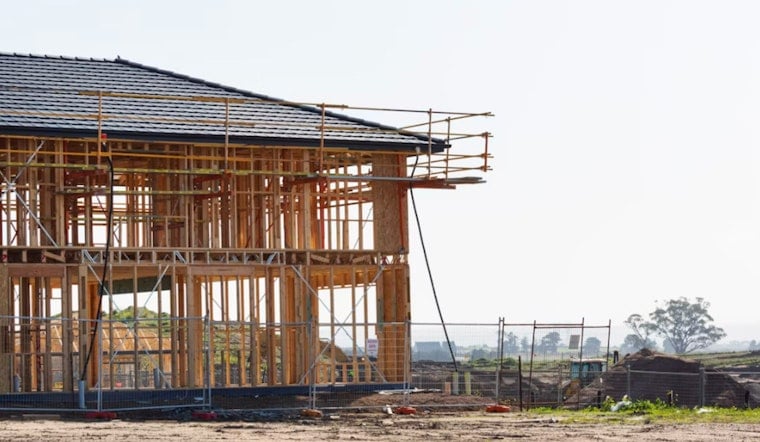
Raquel Utrillo paid a contractor $640,000 to clear her Lahaina lot and install a prefabricated home after the August 8, 2023 wildfire destroyed her childhood house. By early 2026, that contractor had stopped responding to her altogether, and her rebuild now sits on hold while she applies for grants just to restart the work.
Utrillo's ordeal is one of dozens now surfacing across West Maui, according to an investigation by Honolulu Civil Beat, produced in collaboration with Inside Climate News. Reporters Erin Nolan and Keerti Gopal reviewed hundreds of pages of police reports, court filings, contracts and text messages, and found Lahaina homeowners have lost hundreds of thousands of dollars to unlicensed or unreliable contractors since the fire, which destroyed more than 2,200 structures, killed at least 102 people, and displaced nearly 13,000 residents, causing over $5.5 billion in total damage.
Homeowners Describe Money Vanishing Mid-Project
Archie and Alicia Kalepa hired Shane Haas to oversee repairs on their property in spring 2024, ultimately paying him and Liana Kanno more than $200,000 — including a modified Surron electric bike handed over as additional payment, according to the report. Archie Kalepa has said the arrangement cost him more than $200,000 total, and he filed a lawsuit against the unlicensed contractor that has remained unresolved for more than a year. Haas and Kanno have denied the Kalepas' allegations and contested liability, and the couple say they have received no financial relief.
Krista Woodward paid $650,000 to contractor Russell Nielson for her home rebuild, and the account states he failed to account for nearly $500,000 of the money she paid him. Woodward filed both a police report and a complaint with Hawaii's Regulated Industries Complaints Office, known as RICO, against Nielson. He died by suicide in late May 2026, and the state consumer protection agency subsequently ended its investigation into his company, Taylor Grace Homes, after his death. Separately, Woodward had received a $700,000 bid just to finish her home.
Doug Reynon, 81, and his partner paid more than $52,000 to contractors for a porch, shed and lot preparation work that the report describes as riddled with problems: uneven steps, loose floorboards, roof holes and crumbling concrete.
Ten Police Reports, Zero Criminal Cases
The Maui Police Department released 10 reports filed by property owners after the wildfire, documenting losses ranging from about $20,000 to more than $500,000. Police classified all 10 as civil matters outside their jurisdiction, and the department says it holds dozens of additional reports potentially tied to post-wildfire contractor issues. To date, no post-wildfire contractor case on Maui has resulted in a criminal charge, license revocation, fine or injunction, per the Civil Beat and Inside Climate News review.
Hawaii's Department of Commerce and Consumer Affairs has not fined, revoked a license, or taken any other disciplinary action against a post-wildfire contractor. The agency was aware of 12 complaints involving post-wildfire rebuilding, had 8 investigations still pending, and closed the remaining complaints without disciplinary action. Regulators received four complaints against JC Contracting and three against a company tied to a contractor identified in the report as Kama. RICO fields more than 2,500 complaints a year across all industries, and unlicensed-contracting complaints are a common recurring concern, the agency has said.
Building a criminal fraud case is not simple. Under Hawaii law, prosecutors must prove a contractor accepted payment for a job he or she never intended to finish — a high evidentiary bar that requires extensive financial records and investigation to trace how money moved once it reached a contractor's hands. Maui County Prosecutor Andrew Martin said his office is actively investigating contractor fraud and has received dozens of tips from wildfire survivors targeted by bad actors, and Maui County has assigned a deputy prosecutor and an investigator specifically to the issue.
How Hawaii's Penalties Compare to California's
Hawaii law is not silent on the problem, at least on paper. State statute allows for enhanced criminal penalties — fines up to $10,000, up to a year in prison, or both — for unlicensed contracting during a governor-declared disaster, and separately makes unlicensed contracting a misdemeanor where each day of continued violation after written notice counts as its own offense, according to Justia Law. Yet none of those criminal tools have yielded a prosecution in the wildfire zone so far.
Contrast that with California, where contracting without a license inside a governor-declared disaster area is a felony carrying up to three years in prison and $10,000 in fines. That authority let the state's Contractors State License Board run undercover stings after the 2025 Los Angeles wildfires, leading to felony charges against 16 unlicensed contractors in 14 separate cases. Even Hawaii's civil remedy offers thin comfort: the state's Contractors Recovery Fund caps consumer payouts at just $12,500 per contract, a fraction of losses that in these cases have run from roughly $20,000 to more than $600,000.
Hawaii law also bars unlicensed contractors from suing homeowners to collect payment for work performed, giving property owners a defense against liens or collection demands. And the state Attorney General's office could, in theory, sue contractors for damages or seek cease-and-desist orders, though that office has declined to discuss any ongoing investigations into contractor fraud targeting Maui wildfire victims.
Officials Urge Victims to Come Forward
At a Lahaina meeting on August 12, Maui officials urged residents to report contractor fraud. Maui Mayor Richard Bissen said officials want fraud victims to report cases and intend to take action. State Representative Elle Cochran, identified in the report by the surname McKelvey, said she plans to push for faster action and streamlined investigations, and intends to work with legislative colleagues in the coming session to pressure the Department of Commerce and Consumer Affairs.
The consumer protection agency has featured Archie Kalepa in public service announcements warning residents against unlicensed contractors, and it has repeatedly warned homeowners to hire only licensed contractors. In May 2026, the agency issued fresh public warnings about high-pressure door-to-door solicitations and people posing as both insurance adjusters and repair contractors. A 2024 survey by the U.S. Census Bureau found that as many as three-fourths of disaster survivors received a possible scam offer within a month of a disaster, underscoring how widespread the vulnerability is nationally, not just in Lahaina.
Rebecca Shea, who works with fraud survivors, said victims should not blame themselves for being targeted. Carolyn Auweloa said many people in Lahaina were affected by bad contractors, and the group Hoʻōla iā Mauiakama, a disaster long-term recovery organization, is helping homeowners who spent between $150,000 and more than $600,000 on incomplete or substandard builds file complaints, connect with legal assistance and find charitable funding. Pono Legal encourages residents to consult it before signing any construction contract.
A Slow Rebuild Continues Around the Disputes
Not every contractor story in Lahaina is a cautionary one. Fortunato Corpuz has completed 14 residential wildfire rebuilds in the town and was actively working on five more, the report notes — a reminder that licensed, reliable builders are also part of the recovery landscape. By August 13, roughly 580 homes had been rebuilt across Maui, and as of December, Maui County's Department of Public Works had recorded 100 completed structure rebuilds, 96 of them in Lahaina, out of more than 629 disaster recovery permits issued — figures Hoodline previously reported as the county marked that construction milestone.
The gap between public and private recovery has only grown starker. In May, the Hawaii Legislature passed Senate Bill 2930, freeing up $200 million in state risk-management insurance proceeds for major public projects in Lahaina, including $146 million to rebuild King Kamehameha III Elementary School. That kind of funding flow for public infrastructure stands in sharp contrast to the legal and financial dead ends facing individual homeowners like Utrillo, Woodward, Reynon and the Kalepas, who are still waiting for any government body — police, prosecutors or regulators — to hold a contractor accountable.





