

























































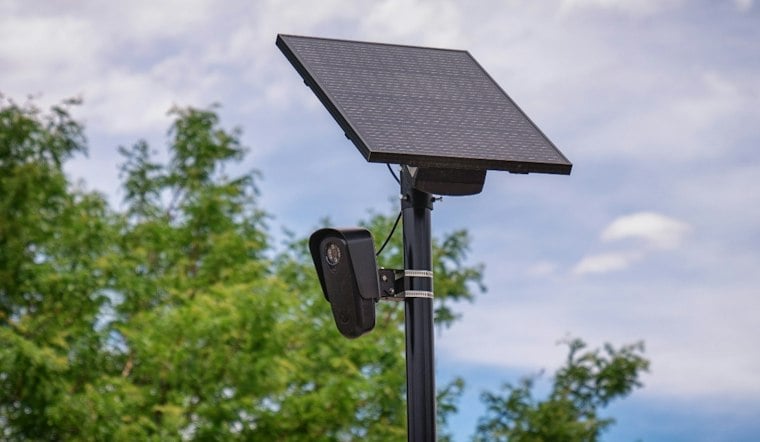
Monroe's 23 license-plate-reading cameras have gone dark after the city council voted unanimously to end its contract with Flock Safety, a decision that landed amid mounting privacy concerns and months of backlash against the surveillance technology nationwide.
The vote, reported by WKRC, means every one of the cameras that once tracked plates across the city has been switched off. The council's decision to sever ties with Flock Safety followed the same privacy worries that have been building against the company for months, according to the same report.
Monroe is far from alone. Per TiffinOhio.net, more than 50 agencies or communities nationwide have canceled, suspended, rejected, or deactivated Flock contracts and cameras since the start of 2026, a pace that suggests the backlash Monroe cited is part of something bigger than one city council meeting.
Flock Responds With New Safeguards
Facing that wave of cancellations, Flock Safety has started tightening its own rules. The company now recommends retaining license-plate-reader data for seven days instead of the previous 30, according to TiffinOhio.net. The same reporting notes Flock is also adding tools to restrict data sharing between agencies, detect potentially abusive searches, require case codes for queries, and automatically suspend users flagged for unusual activity.
Lawmakers have proposed legislation touching on license-plate readers. Indiana barred homeowners associations from installing plate readers under House Enrolled Act 1150.
Where Ohio Law Stands
Ohio's own rules remain notably thin by comparison. State law excludes images and data captured by automated license-plate-recognition systems from the definition of a public record when held in law-enforcement databases, according to cleveland.com. But the outlet found no statewide provision specific to ALPR systems dictating how long police may keep the data, what's required before searching it, who can receive it, or how its use must be audited.
A bill aimed at a narrower slice of the issue, House Bill 725, would restrict collecting, using, selling, transferring, and sharing ALPR data for commercial purposes, with exemptions for law-enforcement activity, cleveland.com reports. As of September 9, the bill remained stuck in the House Public Safety Committee and had not passed the House.
A Nationwide Pattern of Pushback
Flock says it has more than 120,000 cameras across 49 states.
The legal terrain around how police may use that data is still being tested in court. A federal judge ruled in June 2025 that warrantless queries of Flock and ELSAG databases did not amount to a Fourth Amendment search under the facts of that case, though the ruling noted more extensive surveillance could eventually require a warrant, per cleveland.com's reporting.
For now, Monroe has settled the question locally the simplest way possible: by turning the cameras off entirely and walking away from the contract that put them up in the first place.





