

























































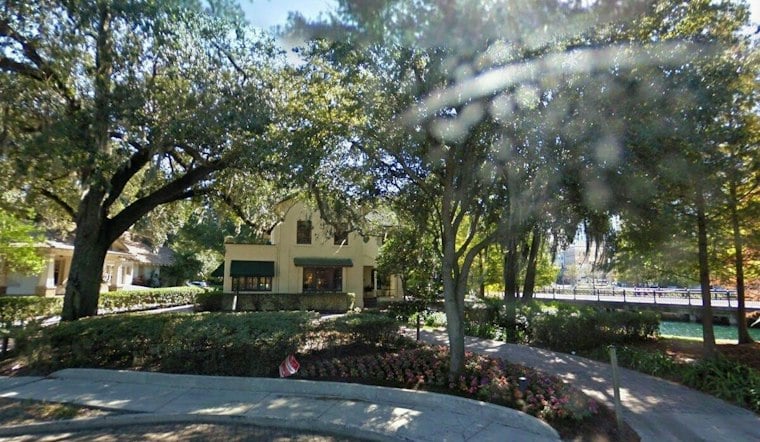
A National Transportation Safety Board investigation has concluded that a chain of configuration mistakes and missed safety checks, not a single mechanical failure, caused the Lake Eola drone show crash that seriously injured a 7-year-old boy in downtown Orlando. The NTSB found that Sky Elements LLC entered an incorrect center point into its show software, shifted the entire performance roughly 16.4 feet from its intended location, and rotated the show heading by about 7 degrees, moving the flight path roughly 59 feet closer to spectators than planned during the December 21, 2024 show over Lake Eola.
Those combined errors caused the system to assign drones to the wrong flight paths, and several drones crossed paths during takeoff, triggering midair collisions, according to findings reported by WFTV. A boy identified as 7-year-old Zander was struck and suffered serious injuries when drones fell out of formation and into the crowd at the free municipal holiday show. The child was hit in the face and chest by a falling unit, Drone No. 142, according to DroneDJ.
A Geofence Setting That Never Got Updated
The NTSB report concluded that the probable cause was the remote pilot-in-command's failure to correctly position the show center over the physical launch location, the station's report notes. Compounding that error, Sky Elements had lowered its geofence buffer from 5 meters to 1 meter on December 9, 2024, twelve days before the show, but the remote pilot never updated the laptop used to run the display, which retained the old 5-meter buffer setting that reduced the safety margin during the event.
Investigators also found that Sky Elements lacked a formal process for independent verification of critical show parameters before launch, with no cross-check system in place for the show center, heading, drone updates, or geofence settings, per the same account. A last-minute adjustment to the show center left two drones with different positional data even after 498 of the 500 drones had been updated, a discrepancy that went unresolved before liftoff.
Warning Signs Before the Drones Ever Launched
Trouble started even earlier that evening. Five minutes before the scheduled launch, five drones failed to accept launch data, prompting technicians to troubleshoot the wireless connection and execute a system reboot, according to sUAS News. The reboot fixed most of the launch-data issues and connected 498 drones. Sky Elements removed two drones from the show after the reboot and before launch.
Even after the loss-of-control event began, the remote pilot kept monitoring the remaining drones and ultimately decided that continuing the show was safer than pausing to recover drones already in midair, WFTV reported. The rest of the fleet finished the performance without incident.
Recovery Efforts and a Federal Case File
In the aftermath, 42 recovered drones were transferred to the NTSB Vehicle Recorder Laboratory as part of an investigation formally designated Aviation Accident No. DCA25LA065, with three specialized teams examining operations, systems, and flight data recorders, sUAS News reported. Law enforcement recovered one additional drone, while five drones that fell into Lake Eola remained missing, per WFTV's reporting.
After the crash, the Federal Aviation Administration suspended Sky Elements' Part 107 waiver, the authorization that let the company fly multiple drones simultaneously at night and over crowds, according to WFAA. The suspension forced Sky Elements to cancel holiday and New Year's Eve drone displays nationwide, including major shows in Dallas, Austin, and New York City.
Injured Boy's Family Sues City and Four Companies
Zander spent Christmas in intensive care after undergoing emergency open-heart surgery on December 22, 2024, and was later discharged to recover at home, with more than $35,000 raised through GoFundMe to help cover his medical care, DroneDJ reported. On August 8, 2025, his mother filed a 59-page civil lawsuit in Orange County Circuit Court seeking damages for what the filing describes as severe and permanent injuries.
The lawsuit names the City of Orlando, Sky Elements LLC, drone manufacturers UVify Inc. and UVify Co. Ltd., and flight software developer SPH Engineering SIA, alleging corporate negligence and product liability defects, the outlet reported. The Lake Eola show had relied on a swarm of 500 UVify IFO light-show drones built in South Korea, running fleet-synchronization software developed by Latvia-based SPH Engineering SIA. While the NTSB report centers on the human errors made before launch, the civil case broadens the target to the hardware and software makers whose products powered the fleet, according to DroneDJ's coverage of the filing.
Fallout Across Florida's Drone Show Industry
Sky Elements had been in the second year of its contract with the City of Orlando, which required all 500 drones to stay within a designated performance zone over Lake Eola's waters at a safe distance from crowds, according to News 6 WKMG. The city canceled the show's second scheduled performance that evening after drones crossed safety boundaries and fell into spectator areas.
The fallout spread quickly. The Ocala City Council voted unanimously on January 21, 2025, to terminate a $300,000 Fourth of July drone show contract with Sky Elements, while Universal Orlando Resort abruptly pulled drone elements from its nighttime entertainment lineup, according to the Ocala Gazette. Sky Elements is a Texas-based drone show provider, according to background compiled by DroneVideos.com.
In response, Sky Elements added verification steps requiring a chief pilot or second-in-command to sign off before launch, built in more setup time ahead of shows, and expanded remote pilot training, per WFTV's report. WFTV reported that Sky Elements had not responded to requests for comment on the NTSB's findings.




