

























































Two Ohio lawmakers are drafting legislation that would force electric utilities to automatically credit customers after long power outages and let ratepayers claim hundreds of dollars for spoiled food and medication. State Reps. Tristan Rader, a Democrat from Lakewood, and David Thomas, a Republican from Jefferson, are seeking co-sponsors before formally introducing the bill, which would pay for the reimbursements using fines the state already levies against utilities for sustained outages rather than taxpayer money.
As reported by FOX 8 News, the proposal would provide an automatic $50 credit for every long-term power outage, adding another $50 for every additional 24 hours without electricity. On top of that automatic credit, ratepayers could apply for reimbursements of up to $250 for spoiled food and up to $600 for spoiled medications. The bill would also bar utilities from passing those reimbursement costs back onto consumers through rate hikes.
The Statehouse News Bureau reports the framework gets more specific once the clock starts ticking: utilities would owe that automatic $50 daily credit after 16 hours of power loss under normal conditions, after 36 hours during what the bill calls gray-sky conditions, and after 72 hours during catastrophic weather events that hit more than 10% of a utility's customer base, according to The Statehouse News Bureau. To claim the higher payouts, the outlet notes residents would need to submit an itemized list of discarded food and medicine for the $250 tier, or documented proof of actual financial loss to reach the $600 cap.
Why Lawmakers Say the Current System Fails Ohioans
Right now, Ohio law simply does not require electric distribution utilities to issue outage credits or compensate customers for lost food or medicine, according to the Office of the Ohio Consumers' Counsel. That leaves ratepayers to absorb the cost themselves unless they have personal insurance or qualify for public assistance. The state's own safety net is narrower than it might seem: the Ohio Department of Job and Family Services allows SNAP recipients to apply for replacement food benefits within 10 days if an outage lasting four hours or longer spoils their groceries, but that option only exists for households already enrolled in the program.
Rader said the pain is recurring, not hypothetical. Per the same account from the Statehouse News Bureau, Rader said people have lost their food multiple times in a single summer, and the two lawmakers link prolonged outages to an aging power grid colliding with increasingly extreme weather across both rural and urban parts of the state. Thomas argued that the existing fine system already collects money meant to address exactly this kind of harm, saying those fines should reach the people actually impacted by sustained outages rather than disappearing into state coffers.
A Model Borrowed From Cell Phones and the Internet
Thomas pointed to an everyday comparison: cell phone and internet providers commonly offer outage reimbursements as standard practice, and he said he personally receives a monthly internet outage credit when his own service drops. Rader added that some outages happen not because of unavoidable weather but because utilities are not making the grid-repair investments needed to prevent them in the first place, the outlet reports.
Recent Storms Set the Stage
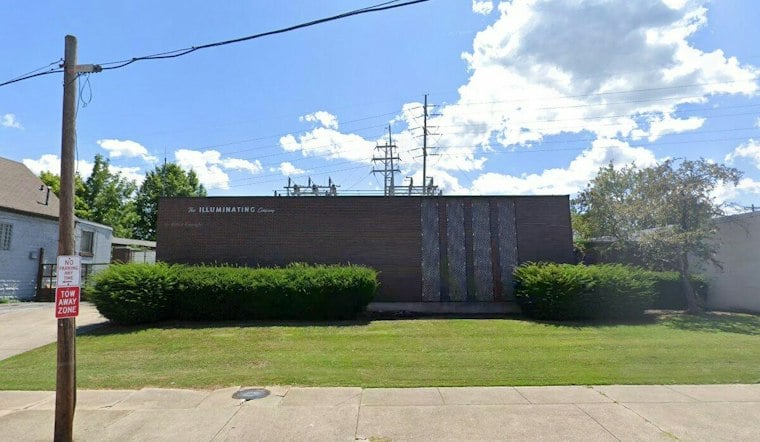
The bill follows a string of major blackouts that have hit Northeast Ohio in the past two years. A severe storm in August 2024 spawned four confirmed tornadoes with 100 to 110 mph winds and brought 70 to 90 mph straight-line winds. More than 627,700 customers across FirstEnergy's multistate footprint lost power, including approximately 322,000 Illuminating Company customers and 118,100 Ohio Edison customers in Ohio, according to FirstEnergy. Restoration estimates for some Illuminating Company customers extended to Aug. 14 after the Aug. 6 storm. The utility later said it was the most damaging storm to hit its Illuminating Company territory since July 1993, when severe thunderstorms cut power to roughly 300,000 customers.
Rader and Thomas have already tangled with FirstEnergy this year over reliability standards. The pair led a bipartisan coalition of 19 House Energy Committee members in a formal letter urging the Public Utilities Commission of Ohio to reject the utility's request to relax state reliability standards and extend allowed restoration times, a push that succeeded, according to the Ohio House of Representatives. Hoodline previously covered that penalty fight in North Royalton.
How Ohio Compares to Its Neighbors
Ohio would not be breaking entirely new ground. In neighboring Michigan, a $44 daily outage credit applies to customers facing more than six outages a year, and 2026 state Senate legislation there has proposed raising that figure as high as $25 per hour for multi-day blackouts, according to a report from States Newsroom. The comparison suggests state-mandated outage compensation is becoming a broader Midwest policy trend rather than an isolated Ohio proposal.
Rader and Thomas have worked together before on ratepayer protection measures. Earlier in 2026, the two co-sponsored House Bill 706, bipartisan legislation aimed at keeping the cost of grid buildouts for large data centers from landing on ordinary residential ratepayers, according to the Lakewood Observer. That track record of bipartisan grid-equity work forms the backdrop for their latest push.
What Happens Next
Rader and Thomas expect their bill will not pass before the end of 2026, but they anticipate broader support for the proposal once the next General Assembly convenes. For now, the two lawmakers are focused on lining up co-sponsors ahead of a formal introduction, betting that repeated summer blackouts and mounting frustration over spoiled groceries and medicine will keep the issue alive in Columbus.




