

























































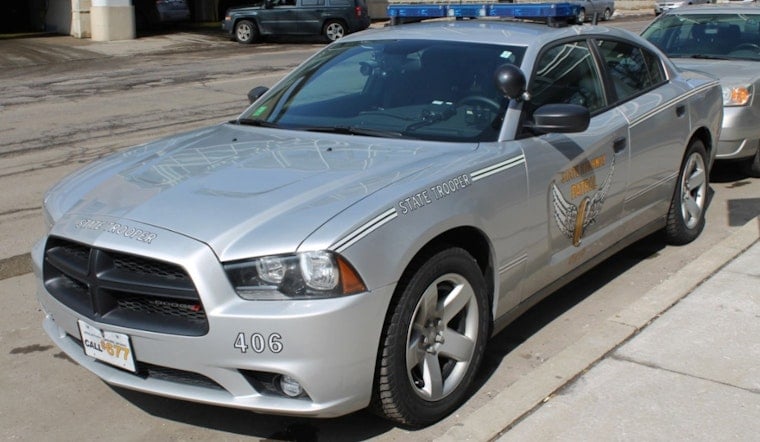
Twelve people died in 12 separate crashes across Ohio over Labor Day weekend, according to the Ohio State Highway Patrol — a steep drop from the 27 fatalities recorded across 23 fatal crashes during the same four-day stretch in 2025. Troopers still stayed busy, making 426 impaired driving arrests and 70 drug arrests between midnight Friday and 11:59 p.m. Monday, while responding to 502 crashes and assisting 1,563 drivers along the way.
The year-over-year drop marks a decrease of more than 50 percent, a shift that stands out against last year's tally, in which 15 of the 23 fatal crashes involved driver impairment, according to Peak of Ohio. This year, the state highway patrol reported that at least one of the 12 fatal crashes was OVI-related, as detailed by WKBN. Among the victims, at least one was not wearing a seat belt when one was available, the outlet reported.
Troopers also issued 2,136 safety belt citations and 1,525 distracted driving citations over the weekend, according to the same report. Those numbers reflect an increase in enforcement volume compared to Labor Day weekend 2025, when troopers recorded 402 impaired driving arrests, 67 drug arrests, 1,872 seat belt citations, and 1,308 distracted driving citations statewide, per a bulletin distributed through Granicus.
A Statewide Push to Curb Impaired Driving
Ahead of the holiday, the Ohio Traffic Safety Office activated Project Plan Ahead, a statewide initiative offering $15 ride-hailing credits in high-risk counties aimed at cutting down impaired driving. The voucher program had previously launched over Memorial Day weekend 2026, a stretch that saw the lowest Memorial Day death toll in Ohio in 18 years, the agency noted.
The broader prevention push included ride vouchers and beefed-up enforcement.
Ohio troopers continue to encourage drivers to call #677 to report drug activity and dangerous or impaired driving on the roadways. Under Ohio Revised Code, failing to wear a safety belt remains a secondary offense for adult drivers, meaning officers cannot pull someone over for that alone unless another violation occurs first, according to WKYC. That legal limitation means the 2,136 seat belt citations issued over the weekend came only after troopers stopped drivers for separate primary violations.
The Bigger Picture Behind the Numbers
Labor Day weekend caps what public safety officials call the “100 Deadliest Days of Summer,” the stretch between Memorial Day and Labor Day during which the Ohio State Highway Patrol estimates roughly one-third of the state's annual traffic fatalities occur, Governor Mike DeWine said in June. Increased travel time, teen driver inexperience, and elevated motorcycle activity all contribute to the seasonal spike.
Two years after Ohio enacted Senate Bill 288 in April 2023, which made holding or using a handheld electronic device while driving a primary traffic offense, statewide traffic crashes declined by 8 percent and traffic fatalities fell by 280 compared to pre-enforcement levels, according to the Van Wert Independent. Distracted driving citations issued by troopers jumped 263 percent per day once hands-free violations became a primary stop offense, the outlet reported.
Despite the encouraging holiday numbers, Ohio recorded four consecutive years of declining traffic deaths between 2022 and 2025, according to the Richland Source.
High-visibility enforcement campaigns like the national Drive Sober or Get Pulled Over effort are intended to combat impaired driving. Targeted enforcement is part of broader traffic-safety efforts.
Motorcyclists remain especially vulnerable during the summer travel window. State traffic safety figures show that while motorcycles account for less than 3 percent of registered vehicles in Ohio, motorcycle riders represent more than 13 percent of all traffic fatalities statewide — a disparity Hoodline previously reported included the death of a 27-year-old Mansfield rider whose motorcycle veered off a Madison Township road last month. Nearly 80 percent of motorcyclists killed in Ohio traffic crashes had never completed a formal rider safety course.





