

























































Omnicare, CVS Health’s long-term-care pharmacy subsidiary, has agreed to a $250 million sale to GenieRx Holdings, with the transaction expected to close the following month, according to the Raleigh News & Observer. The agreement separates the pharmacy operation from CVS while addressing a bankruptcy that followed a large federal fraud judgment and years of financial pressure in the institutional-pharmacy market.
What the bankruptcy record shows
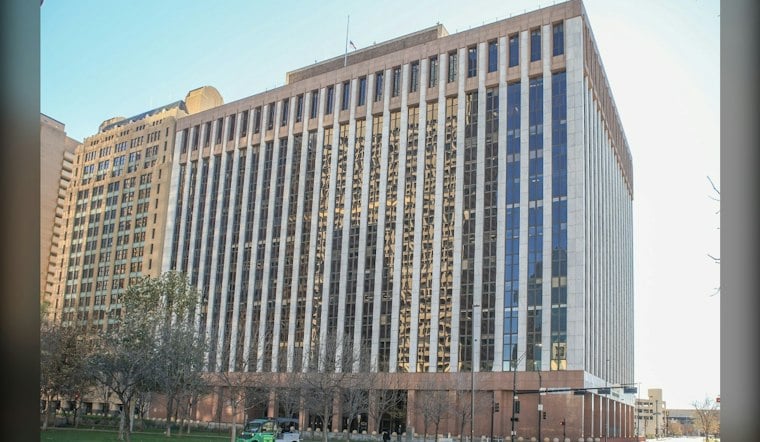
Omnicare and 109 affiliated debtors filed voluntary Chapter 11 petitions on Sept. 22, 2025, in the U.S. Bankruptcy Court for the Northern District of Texas. The case was assigned to Judge Stacey G. C. Jernigan under Case No. 25-80486, according to the case materials maintained by Stretto. CVS said at the start of the proceeding that Omnicare had obtained $110 million in debtor-in-possession financing to continue operating during the restructuring, according to the company’s bankruptcy announcement.
The sale was approved as part of the court-supervised process. GenieRx Holdings, a partnership involving Milrose Capital and Integro Asset Management, agreed to pay $250 million for the business, according to Healthcare Dive and Senior Housing News. The available reporting establishes the transaction price and buyer, but does not by itself provide a complete accounting of how every class of creditor will be paid.
The legal and financial pressure
The bankruptcy followed a federal case involving allegations that Omnicare dispensed medications without valid prescriptions and submitted false claims to government health programs. A judgment totaled nearly $949 million, consisting of a $542 million penalty and about $406.8 million in damages, according to McKnight’s Senior Living and Healthcare Dive.
CVS Health and Omnicare later agreed to pay at least $440 million to resolve the federal claims. The reported payment schedule called for $130 million shortly after the final agreement and another $310 million by the end of March 2028, according to Healthcare Dive. An analysis by Arnold & Porter said the settlement did not include an admission of liability or wrongdoing by CVS or Omnicare. The agreement also addressed potential claims between Omnicare and CVS, according to the Raleigh News & Observer.
The judgment and settlement are related but not identical figures: the judgment was nearly $949 million, while the later agreement resolved the federal dispute for at least $440 million. The sources provided do not establish that the settlement erased every obligation associated with the judgment or show the final recovery for each bankruptcy creditor.
Why the buyer matters to long-term-care providers
Omnicare serves nursing homes, assisted-living communities and other long-term-care facilities, making continuity of medication delivery a central practical issue in the transition. A national survey reported by Skilled Nursing News found that participating closed-door pharmacies represented nearly 20% of the sector nationwide and served about 800,000 patients, including roughly 300,000 in rural areas.
That survey also reported that about 84% of participating pharmacies planned to reduce services or stop serving some facilities or regions, while about 78% expected layoffs. Those findings indicate reported pressure among the surveyed pharmacies; they do not establish that Omnicare customers will lose service or that the same percentages apply to the entire long-term-care pharmacy market.
A longer market history, with limits
Long-term-care pharmacies have historically occupied a specialized role in nursing-home medication management. A Harvard Medical School study commissioned by the Medicare Payment Advisory Commission described the dominance of long-term-care pharmacies in the market. The study also described Medicare Part D as a substantial departure and noted Medicaid’s prominence in the nursing-home pharmacy market.
That research provides historical context rather than a measurement of the Omnicare case or current market conditions: it examined the introduction of Part D and predates the 2025 bankruptcy. Taken together with the newer survey, it shows why ownership changes at a major institutional pharmacy can matter broadly, while leaving the immediate effects of GenieRx’s purchase on facilities, employees and patients unresolved.





