

























































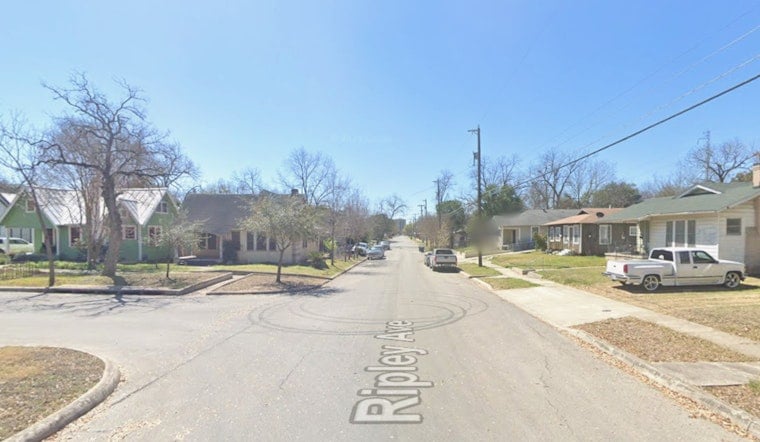
A house fire tore through the attic of a home on the 800 block of Ripley Avenue overnight, leaving the structure with serious damage before crews could get flames under control. The resident inside escaped safely, and the fire's cause remains under investigation.
San Antonio Fire Department crews responded around 1:30 a.m. Tuesday to the home, located near West Magnolia Avenue in the Alta Vista neighborhood just north of downtown, according to KSAT. Flames burned through portions of the roof and primarily damaged the attic area before firefighters eventually contained them, per SAFD.
The outlet's report notes that home additions on the property delayed crews' response to the attic. That detail lines up with a well-documented hazard in residential firefighting: additions often create overlapping rooflines and enclosed void spaces, sometimes called rain roofs or knee walls, that conceal fire spread and trap extreme heat, according to Fire Engineering. Those hidden spaces can obscure interior conditions from responding crews and slow physical access to a smoldering attic fire.
A Neighborhood That's Seen This Before
This isn't the first time fire crews have battled a serious blaze along this stretch of Ripley Avenue. In March 2025, San Antonio firefighters fought a major house fire in the same Alta Vista corridor during Red Flag Warning weather conditions, as previously reported by KENS 5. Alta Vista is a historic neighborhood, and the recurrence of significant fire incidents there adds context to Tuesday's overnight response.
Attic fires themselves are far from rare nationally. Electrical malfunctions are the leading cause of residential attic fires, which account for roughly 10,000 reported home fires across the country each year and an estimated $477 million in property damage, according to Restoration 1, citing FEMA data. These fires often smolder undetected in dry overhead spaces long before breaking through a roofline, which can complicate early detection.
Why Additions Complicate Firefighting Tactics
Structural modifications like the ones on the Ripley Avenue home can also affect how firefighters approach ventilation. Performing vertical roof ventilation without immediately following up with hose line water placement can introduce oxygen that rapidly intensifies flames throughout ceiling spaces, per Fire Engineering's research on attic fire tactics. That timing challenge is compounded when overlapping roof structures or void spaces obscure what crews are dealing with once they reach the attic.
Room additions and structural alterations in San Antonio are supposed to go through building permits and plan reviews via Development Services under Chapter 10 of the municipal code, a process intended to ensure compliance with structural and fire safety standards, according to the City of San Antonio. The city also adopted updated building codes effective April 2025, including the 2024 International Residential Code and International Fire Code, which established modernized fire separation rules for residential properties, per Protection Development, Inc. It's not established in current reporting whether the Ripley Avenue home's additions went through that permitting process.
Tracking the Response and What Comes Next
SAFD has not yet released a determination on what sparked the fire, and the cause remains under investigation. Residents looking to follow official updates on the case, or on fire call data for their own neighborhoods, can now use the city's Public Safety Dashboard for Fire Response, which launched in August and tracks neighborhood-level fire calls, response times, and arson investigation statuses by council district and zip code.
The department responding to Tuesday's fire is a sizable operation: SAFD runs 54 stations covering more than 460 square miles and employs roughly 1,922 certified fire protection personnel who handle over 240,000 emergency calls a year, making it the third-largest fire department in Texas. Fire Chief Valerie Frausto has noted that the city's rapid population growth has put upward pressure on emergency response times, a strain that shapes how quickly crews can reach calls like the one on Ripley Avenue.
Nationally, single-family homes bear the brunt of residential fire damage. National Fire Protection Association data from 2019 through 2023 shows single-family homes account for 68 percent of all reported home structure fires and 79 percent of direct property damage in the United States. No injuries beyond the resident's safe escape have been reported in connection with the Ripley Avenue fire.





