

























































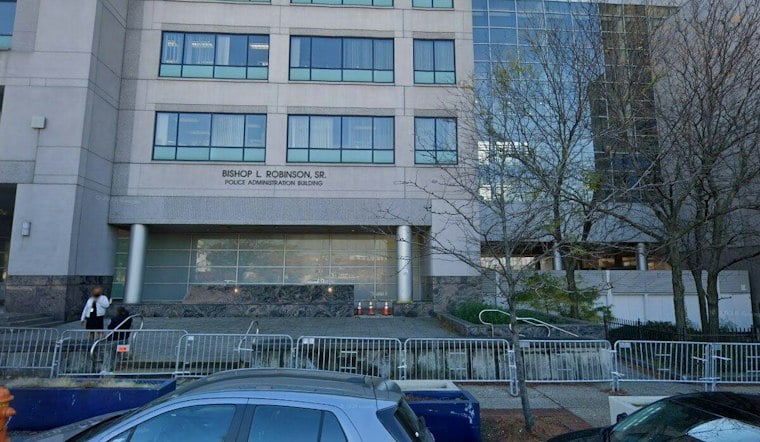
The family of Baltimore tech executive Pava LaPere is seeking more time to investigate possible claims involving the Baltimore Police Department and the Maryland Department of Public Safety and Correctional Services, according to WBAL-TV 11 Baltimore. The family asked the agencies to extend the applicable limitations period and enter a tolling agreement, which would pause the deadline while the parties continue discussions. The agencies rejected the request, and the reported deadline for an agreement expires Tuesday.
The request does not itself establish that either agency is legally responsible for LaPere’s death. Her family says it wants additional time to review records, pursue mediation and discuss a possible settlement rather than immediately file a wrongful-death lawsuit. The family also says it submitted numerous public-records requests and that delays in receiving records limited its investigation, according to WBAL-TV 11.
What the family is investigating
LaPere, 26, was reported missing on Sept. 24, 2023, and was found dead the following day. Police later identified Jason Billingsley as the suspect in her killing. Before LaPere’s death, Billingsley was wanted in connection with an attack on April Hurley and Jonte Gilmore in Baltimore’s Edmondson Village, according to Business Insider.
The family’s allegations focus on two separate areas: whether Billingsley was adequately supervised after his release from prison and whether police should have issued a broader public warning while seeking him. Caroline LaPere told WBAL-TV 11 that the family believes missed treatment, appointments or home visits may warrant further examination. Those assertions remain allegations; the available record provided here does not resolve whether any agency violated a legal duty or whether different action would have prevented LaPere’s death.
The release rules provide important context
Maryland’s system of diminution credits allowed eligible incarcerated people to reduce the time before release. The Maryland Department of Legislative Services defines mandatory supervision as a conditional release from confinement resulting from the application of those credits. It also says that, generally, a person convicted of a violent crime committed on or after Oct. 1, 2009, is not eligible for mandatory supervision until becoming eligible for parole or serving one-half of the sentence. The precise rules depend on the offense, sentence and applicable dates, according to the department’s legislative analysis.
Maryland changed the rules after LaPere’s killing. Chapter 712, enacted in 2024, bars a person serving a sentence for first-degree rape from earning diminution credits when the offense was committed on or after Oct. 1, 2024, regardless of the victim’s age, the Department of Legislative Services says. Because that cutoff is prospective, the reform does not by itself determine how the rules applied to Billingsley’s earlier conviction or release.
The criminal case does not answer the civil questions
Billingsley pleaded guilty in 2024 to killing LaPere and received life sentences, according to WBAL-TV 11. He also pleaded guilty in the Edmondson Village case. Those convictions establish his criminal responsibility for the attacks, but they do not resolve the separate questions the family is now examining: what government agencies knew, what duties they had, whether those duties were breached and whether any breach caused compensable harm.
The Baltimore Police Department, the Maryland attorney general’s office and the state corrections agency declined to comment in the WBAL-TV 11 account. Until the family’s records review, agency responses or a court filing becomes public, it remains unclear whether the requested extension will lead to mediation, a settlement discussion or litigation.





