

























































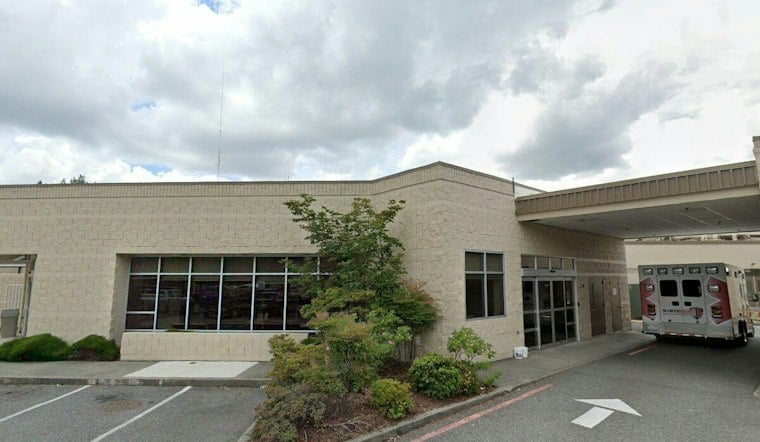
PeaceHealth is eliminating 150 information technology jobs across Washington state, with the bulk of the cuts hitting Vancouver and smaller clusters in Bellingham and Sedro-Woolley, as the nonprofit health system shifts day-to-day tech operations to an outside vendor. The layoffs, which take effect November 20, will touch application developers, analysts, cybersecurity workers, network and database administrators, data specialists and hospital technology support employees.
According to The Oregonian/OregonLive, Vancouver facilities account for 119 of the affected positions, with two more in Springfield, Oregon. Cascadia Daily News reports that 17 more jobs are being eliminated in Bellingham, including positions at the Chestnut Building, along with four positions in Sedro-Woolley. The identified positions total 142, not 150. PeaceHealth filed the layoff notice with Washington state labor officials as required, spelling out the November 20 effective date.
The jobs are being handed to Tech Mahindra, an India-based technology company, through its U.S. health care subsidiary The HCI Group. PeaceHealth is beginning a five-year contract with HCI Group that includes options for two additional one-year renewals, according to the same Cascadia Daily News report. The agreement transfers day-to-day management of applications, data, network operations and infrastructure to the vendor, PeaceHealth confirmed to the outlet.
Who's Losing Their Jobs, and Who's Not
PeaceHealth spokesperson Jim Murez said the health system expects the final number of affected employees to land under 250, per the Oregonian/OregonLive report. Laid-off workers will not have bumping rights, but they will receive all wages owed when their jobs end. PeaceHealth has notified everyone directly affected, and the company says outsourcing will not touch employees who provide direct patient care.
The health system says on-site technology support will continue at its facilities during and after the transition, and that support levels will not decrease. PeaceHealth is also keeping responsibility in-house for technology choices, cybersecurity and protecting patient information, even as contractors take over much of the routine IT work. Patient data will continue to be stored in the United States, the company says.
A CEO's Case for Outsourcing
PeaceHealth CEO Sarah Ness told employees the system chose HCI Group to modernize its IT services, according to the Oregonian/OregonLive report. The HCI Group has worked with more than 130 organizations that use Epic electronic health records and helps health systems move those records to Amazon Web Services, per the same account. PeaceHealth expects the shift to bring faster IT help, more reliable computer systems and newer technology, though the company has not disclosed whether cost savings factored into the decision or what savings it expects.
“PeaceHealth is trying to grow and modernize while fundamentally changing how it operates,” Ness said, according to the Oregonian/OregonLive report. She added that PeaceHealth will look very different in the future because it has to. Ness became PeaceHealth's president and CEO in January.
The Bigger Financial Picture
The IT cuts land atop a stretch of workforce reductions that predate this announcement. PeaceHealth eliminated much of its internal informatics staff — the team that bridges clinical medical staff and IT systems — earlier this year, before moving to outsource the broader IT function, Cascadia Daily News reported. The Oregonian/OregonLive report also notes that PeaceHealth eliminated about 240 administrative and patient-facing positions and cut 18 leadership jobs in 2025, then eliminated 94 positions including nurses and other direct patient-care employees in 2026.
Becker's Hospital Review has documented an even longer run of cutbacks, including a 1% systemwide workforce reduction in May 2025 and a 2.5% reduction that October. The financial strain behind those moves shows up in the numbers: for the nine months ending March 31, 2026, PeaceHealth posted an operating loss of $105 million on $3 billion in operating revenue, according to Eugene Weekly. That prompted the system to generate $84 million through medical real estate sales, including property in Eugene where PeaceHealth signed long-term leases to remain as a tenant.
Fitch Ratings revised PeaceHealth's credit outlook from stable to negative in September 2025 on $800 million in revenue bonds, citing ongoing operating losses and slim profit margins across fiscal years 2024 and 2025, though the agency affirmed the system's Issuer Default Rating at A+ despite the downgraded outlook. PeaceHealth is a Vancouver-based nonprofit Catholic health system operating nine hospitals across Washington, Oregon and Alaska, and remains Clark County's largest employer.
Part of a Wider Industry Shift
PeaceHealth is outsourcing much of its IT work as it seeks to modernize its services. Under Washington's mini-WARN Act, which took effect in July 2025, employers with 50 or more workers in the state must give at least 60 days' written notice before a mass layoff of 50 or more employees.
This isn't the first time PeaceHealth's cost-cutting has drawn scrutiny in the region. Hoodline previously reported on the Eugene ER shakeup, when the system ended a 35-year contract with local emergency room doctors in favor of an Atlanta-based staffing contractor. Whether the shift to outsourced IT support delivers the faster, more reliable service PeaceHealth is promising will likely become clearer only after the November transition takes hold.





