

























































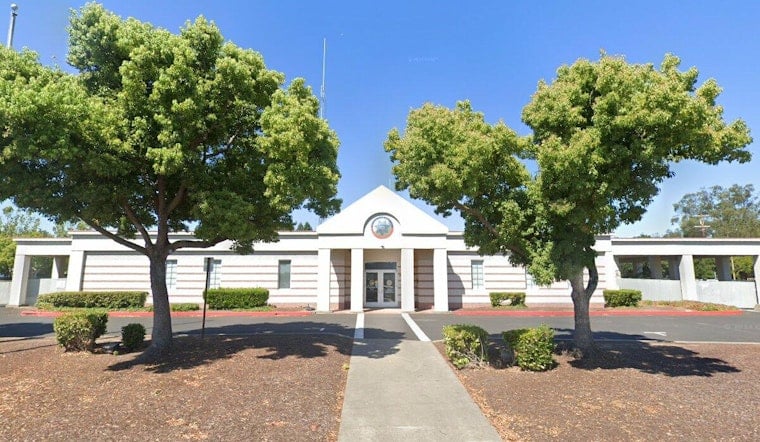
Four Petaluma seniors were swindled out of more than $315,000 combined within a single 24-hour period late last month, according to the Petaluma Police Department, which is now warning residents that the city's aging population makes it a prime target for organized fraud schemes. Investigators say the scams involved cryptocurrency transfers, gift card purchases and a timeshare scheme.
Police reported four scam-related calls for service in an online notice posted Sunday, August 30, and the department pegs the suspected total loss at more than $315,000, as reported by the East Bay Times. Petaluma police said the city's older demographic makes the community particularly vulnerable, with more than 22% of Petaluma's population aged 65 or older. That concentration mirrors a broader pattern across Sonoma County, where adults 60 and older make up roughly 25% of the population, according to Patch.
Crypto, Gift Cards and Timeshares Used to Drain Accounts
In the four Petaluma cases, scammers relied on cryptocurrency transfers, gift card purchases and a timeshare-related scheme to extract funds. Nationally, cryptocurrency has become the costliest tool in elder fraud: older adults aged 60 and over filed 42,271 crypto-related complaints with the FBI in 2025, losing a combined $4.35 billion, according to HousingWire. Overall, Americans 60 and older lost roughly $7.7 billion to cyber-enabled fraud in 2025, a 59% jump from the year before, per the FBI.
California has become the epicenter of that trend. The state's seniors lost $1.4 billion to financial fraud in 2025, ranking California highest among all states for elder fraud losses, according to Hoodline's reporting on a Los Angeles fiduciary accused of stealing millions. California and communities like Petaluma have sizable older populations.
State Law Caps Crypto Kiosk Transactions, but Losses Keep Mounting
California's Digital Financial Assets Law legally bars cryptocurrency kiosk operators from accepting or dispensing more than $1,000 per customer in cash per day, a guardrail meant to blunt rapid, large-volume scam transfers seen in the Petaluma cases. The state's Department of Financial Protection and Innovation has moved aggressively to enforce that cap: in May, regulators ordered crypto kiosk operator Anh Management LLC, doing business as Hermes Bitcoin, to shut down all 42 of its Bitcoin ATMs statewide after finding repeated daily cap violations and excessive fee markups. It remains unclear from available records whether the Petaluma victims were funneled through multiple kiosks, direct wire transfers to offshore exchanges, or another method to move sums well beyond the $1,000 daily limit.
Under California Penal Code Section 368, financial abuse involving an elderly victim can be charged as a felony, carrying two-, three- or four-year terms in state prison, according to the Law Offices of David Chesley. The provision addresses financial abuse involving elderly residents.
Police Urge Skepticism and Family Check-Ins
Petaluma police released a graphic advising residents on how to spot and avoid scams, urging people to ask questions and check with family members before acting on any urgent financial request. The department's guidance emphasizes that scammers rely on pressuring victims into believing a payment must happen immediately, and police stressed that legitimate organizations will not press people to pay on the spot.
Officers advised residents to be skeptical of unknown parties requesting money, to call companies directly using verified numbers to confirm any payment request, and to research whether the person or company asking for funds has a legitimate purpose before sending anything. Police also encouraged residents to check in regularly with elderly neighbors and loved ones, saying that simple, consistent conversations can help prevent someone from becoming a victim.
Where Sonoma County Residents Can Get Help
The Sonoma County District Attorney's Office maintains a specialized Elder Protection Unit, staffed with a dedicated prosecutor, investigator and victim advocate, to handle felony elder financial exploitation cases prosecuted under Penal Code Section 368, according to the County of Sonoma District Attorney's Office. The unit works alongside local police departments and social service agencies to build cases against fraudsters targeting older residents.
Sonoma County Adult Protective Services also operates a 24-hour hotline, 707-565-5940, to receive and investigate allegations of financial exploitation against adults 60 and older, per the County of Sonoma. Victims and families seeking federal support can also reach the U.S. Department of Justice's National Elder Fraud Hotline at 1-833-372-8311, which connects callers aged 60 and older with case managers who help file complaints with the FBI, a resource Hoodline has highlighted in past coverage of elder financial abuse cases.
The Petaluma cases are part of the broader elder-fraud problem in California. Petaluma police have not announced arrests connected to the four August 30 incidents.





