

























































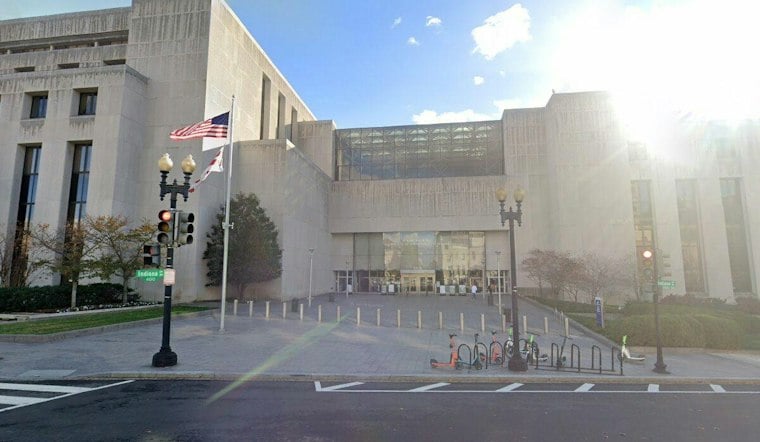
A proposed $18 million reduction in federal funding would arrive as D.C. Superior Court handles a sharp increase in criminal cases. D.C. Courts Executive Officer Herbert Rouson Jr. told WJLA that criminal filings rose from roughly 7,000 in 2023 to more than 18,000 in 2025, while court funding remained essentially flat from fiscal year 2023.
The House proposal is not final. The Senate must complete its budget work before negotiators reconcile the two chambers' versions. D.C. Courts is seeking about $35 million in additional operating funding, according to WJLA. The eventual size and implementation of any reduction remain unresolved.
Why Congress controls the court budget
The dispute reflects an unusual feature of D.C. government. The 1997 National Capital Revitalization and Self-Government Improvement Act shifted financial responsibility for the District's judicial branch to the federal government. A Government Accountability Office report said the law provides direct federal funding for D.C. Courts, with the courts' budget request submitted to Congress through the Office of Management and Budget. That arrangement leaves court resources subject to congressional appropriations rather than the D.C. Council's normal control over local spending.
The current pressure is occurring alongside a documented increase in felony filings. The D.C. Sentencing Commission's 2025 annual report found that adult felony cases filed in Superior Court rose 44% from 2024. Half of the year's felony filings arrived between September and December, and most cases filed in the latter half of 2025 were still awaiting disposition when the commission finalized its data in January 2026.
Those figures document workload and pending cases, but they do not by themselves establish why filings increased or determine how a congressional reduction would affect individual court operations. Rouson told WJLA that the combination of higher costs, flat funding and heavier caseloads has already contributed to longer waits. The station also reported that staffing in C-10 arraignment court and courtroom start times were adjusted after proceedings ran late.
What earlier federal cuts show—and what they do not
The clearest recent comparison is the 2013 sequestration of the separate federal Judiciary. The Administrative Office of the U.S. Courts said sequestration reduced Judiciary funding by nearly $350 million from fiscal year 2012 levels and contributed to staffing reductions, furloughs and slower case processing. In April 2013, the Judicial Conference warned that reduced staffing and hours threatened public access and the pace of proceedings, according to the U.S. Courts.
That episode produced concrete scheduling changes in at least one jurisdiction: the federal District of Colorado limited criminal hearings and trials on Fridays from April 26 through September 30, 2013, except for mandatory first appearances before a magistrate judge, because of budget constraints and furloughs, the U.S. Courts reported. The example illustrates how funding reductions can affect hours and case processing, but it does not predict the result of the current D.C. proposal: the institutions, appropriations process and final reduction are different.
For now, the central question is not whether the House figure will remain unchanged, but whether Congress will provide enough money for D.C. Courts to absorb the documented increase in felony filings without further reducing operational capacity. Until the two chambers finish their budget negotiations, the scale of any cut and its consequences cannot be known.



