

























































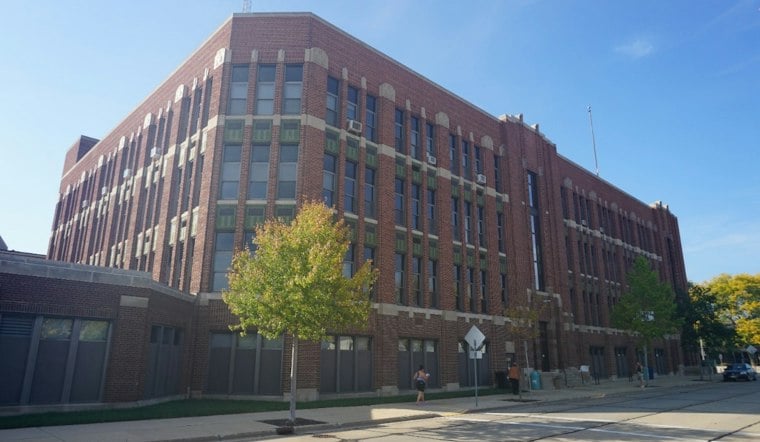
A meeting that was supposed to happen behind closed doors is now open to the public, after Racine Ald. Nathan Pabon pushed the city's Personnel and Finance Committee to let residents watch the debate over the future of the city's Flock Safety license plate readers. The committee met at Racine City Hall on Tuesday and ultimately voted to open the session, setting up a public airing of a fight that has already upended license plate reader programs across Wisconsin.
The committee had originally intended to hold the meeting in closed session, according to FOX6 News Milwaukee. Pabon argued that residents deserved to hear directly from the police chief and any Flock representatives before decisions were made, saying Flock systems present chances for abuse. He told the outlet the decision will affect the entire city and how the cameras are used for policing going forward.
Racine's finance department and city attorney both outlined for the committee how renegotiating or terminating the Flock contract would affect the city, while the police chief weighed in on how the change would affect department operations, per the same report. The Racine Police Department currently uses Flock's automated license plate readers, and community mapping shared on Reddit in August identified 32 Flock cameras in Racine.
A Statewide Reckoning Over Data, Not Just Cameras
Racine County is far from alone. Racine County Sheriff Christopher Schmaling ordered the immediate removal of all Flock cameras operated by his office after learning that the vendor had collected and retained additional traffic data without the office's understanding or agreement, according to CBS 58. Even so, Schmaling maintained that the vendor had failed the public, as reported by Kenosha County Eye.
Racine County is far from alone. At least a dozen Wisconsin law enforcement agencies, including those in Fond du Lac, Winnebago, and Racine counties, simultaneously suspended or ended their Flock programs in early September over data monetization concerns, according to Wiscnews.com. Officials statewide reported losing faith in the vendor after learning that stripped traffic data was repackaged and sold through Flock's Traffic Analytics product.
Neighboring Cities Chose Three Different Paths
Just south of Racine, the Kenosha Police Department covered or removed its Flock cameras and switched to a rival vendor, Axon, to preserve automated scanning capabilities. Milwaukee also launched a public transparency portal for its Flock network and restricted officer database access exclusively to supervisors following internal misuse investigations, according to TMJ4 News; the department had previously slashed authorized Flock access from 370 officers down to just 100 after misuse charges.
Wisconsin's open records laws add another wrinkle to the debate. Active criminal investigative records are typically shielded from public disclosure under state statute, but because Flock's network pools data across jurisdictions, out-of-state open records requests have exposed shared Wisconsin search logs — a loophole that drove Fond du Lac County to shut down its camera program, as Hoodline previously reported. Wisconsin law enforcement leaders have feared that sharing data with out-of-state agencies through Flock's pool could subject their own active case logs to external public release.
Vendor Tried to Get Ahead of the Backlash
Flock Safety announced policy updates in August reducing default license plate data retention from 30 days to seven and requiring mandatory search audit codes for police users by the end of the year. The changes came too late for some Wisconsin municipalities. In Dane County, the Board of Supervisors voted 32–1 back in April to eliminate $80,000 in funding and terminate its Flock contract.
Now Racine's elected officials face a decision about the Flock contract. The Personnel and Finance Committee's decision is only a recommendation. The full Racine Common Council has the power to approve, deny, or modify whatever the committee proposes, and it is scheduled to review the matter next Tuesday, September 15, at Racine City Hall.



