

























































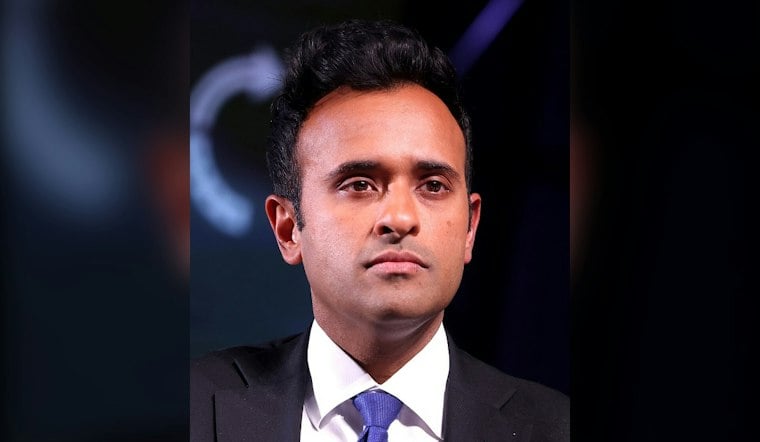
Ohio drivers paying $4.52 a gallon for gasoline could see relief within weeks under a proposal from Vivek Ramaswamy to suspend the state's 38.5-cent gas tax for 90 days. The plan would also pause Ohio's 47-cent diesel tax, and Ramaswamy says he is working to get it enacted no later than next week.
Ramaswamy unveiled the 90-day suspension plan as gas prices statewide have climbed sharply, according to Cleveland.com. Ohio gasoline averaged $4.52 per gallon statewide as of Monday, up about 43 cents from a month earlier and $1.48 higher than a year ago, according to AAA figures cited in the report. Diesel has climbed even further, averaging $6.77 per gallon, an increase of about $1.12 in the past month and $3.07 over the past year.
WCMH-TV has attributed the price run-up to ongoing overseas conflicts and regional refinery problems, per the same Cleveland.com report. Those pressures echo a national trend: average U.S. gas prices hit $4.18 per gallon in April, a 36% jump from late February, according to the Bipartisan Policy Center.
How Ramaswamy Wants to Cover the Lost Revenue
The suspension would cut Ohio state revenue by roughly $640 million, per Cleveland.com's reporting. Ramaswamy has proposed tapping the Ohio Department of Transportation's cash reserves first to fill the gap, followed by the state's general revenue fund and, if necessary, Ohio's $3.7 billion rainy-day fund.
He has said that any money drawn from ODOT reserves or the rainy-day fund would eventually be repaid through a plan to retain more Ohio Medicaid fraud recoveries, the outlet reports. Ohio collected nearly $2.6 billion in motor-fuel taxes in fiscal year 2025, according to the Legislative Service Commission figures cited in the same report — money that supported more than half of ODOT's highway projects and about 38% of local-government transportation projects, with the remainder paying highway debt and other state programs.
GOP Leaders Line Up Behind the Plan
Rob McColley, Ramaswamy's running mate and Ohio Senate president, has endorsed the 90-day suspension and could control the Senate agenda for the proposal, the outlet notes. McColley said the plan reflects “bold, decisive leadership” aimed at making Ohioans' lives more affordable. Matt Huffman has also endorsed the suspension, and both leaders have vowed to enact the proposal immediately.
Ohio lawmakers could unexpectedly reconvene next week, but they have not been confirmed to return before their scheduled session the week after the Nov. 3 general election. Ramaswamy has said he plans to call a special legislative session if needed to move faster, and has vowed to push for the suspension after taking office in January should the legislature not act before the current session ends in December.
Acton's Rival Proposal — and DeWine's History With the Tax
Amy Acton has separately proposed an emergency gas-tax holiday of her own, saying Ohio residents are facing an affordability crisis and that the state can provide temporary relief without compromising infrastructure investment. She has not specified how long her proposed holiday would last or how she would replace the lost state tax revenue, according to Cleveland.com.
The debate arrives against a backdrop set by outgoing Governor Mike DeWine, who has endorsed Ramaswamy but pushed for an Ohio gas-tax increase shortly after taking office in 2019. DeWine has warned that Ohio will need additional transportation funding in coming years as construction costs rise and vehicles become more fuel-efficient.
What Gas-Tax Holidays Have Delivered Elsewhere
National research suggests suspensions rarely deliver their full value to drivers at the pump. Studies estimate that 58% to 87% of a gas-tax suspension gets passed on to consumers as lower prices, with gasoline suppliers keeping the rest, according to the Bipartisan Policy Center. Separate analysis from the American Society of Civil Engineers found that, on average, only one-third of a state gas-tax change is passed through to retail prices on the day it takes effect.
A federal gas-tax suspension was projected to cut prices by just 10 to 16 cents per gallon, the Bipartisan Policy Center found. An estimated 13.2 cents per gallon would reach consumers. Georgia, Utah and Indiana have already implemented their own gas-tax holidays in 2026 in response to rising prices, and five states did the same in 2022 amid inflation, per the Bipartisan Policy Center. The Civic Federation has separately warned that temporary fuel-tax cuts can create real transportation-funding shortfalls, since some of the intended savings may simply be absorbed by market pricing rather than passed to drivers.





