

























































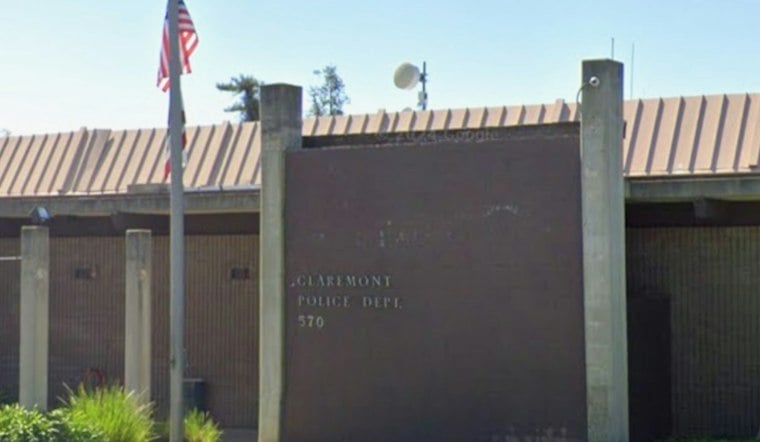
The family of Diego Rios, the 30-year-old Rancho Cucamonga man who died following a struggle with Claremont police during a November 28 traffic stop, has filed a federal civil rights lawsuit against the city of Claremont and its police department. The suit follows a Los Angeles County Medical Examiner ruling that classified Rios's death as a homicide, and it lands as the family says they grew frustrated waiting for answers about what happened that night.
According to ABC7 Los Angeles, Rios died at a local hospital after police said they believed he was operating a motor vehicle while under the influence. Witnesses who called 911 reported seeing Rios rolling on the ground before he got behind the wheel, and bodycam video shows him shirtless behind the wheel of his car as he appeared panicked when police approached. The Rios family says he was experiencing a mental health crisis and had suffered from depression, though they have disputed any suggestion he was hallucinating before the encounter.
Claremont Police Corporal Benjamin Alba and Officer Joshua Orona conducted the stop at Claremont Boulevard and Andrews Drive, where bodycam footage captured Orona repeatedly ordering Rios to turn off his vehicle while Alba approached the passenger side with a hand resting on his holstered firearm, according to Knock LA. Rios reportedly asked multiple times whether someone was in his backseat and cooperated with the first officer before a second officer became involved once he exited the car. Police said in a news release that a struggle escalated after officers asked Rios to step out of the vehicle, and a use-of-force incident followed.
Coroner Calls It Homicide, Cites Restraint
The Los Angeles County Medical Examiner's report, released in February, ruled Rios's death a homicide caused by cardiopulmonary arrest due to the effects of cocaine and atherosclerotic cardiovascular disease in the setting of prone physical restraint. The report concluded the temporal link between the restraint and his cardiac arrest was unlikely to be coincidental, per the same report cited by the station's report and by The Student Life. Cocaine and heart disease were listed as contributing factors, according to the medical examiner.
That finding connects the case to California Assembly Bill 490, which is codified in Government Code § 7286.5. Under the law, as explained by the PORAC Legal Defense Fund, law enforcement agencies are prohibited from authorizing restraint techniques that carry a substantial risk of positional asphyxia, including applying body weight against a restrained person's neck, torso, or back.
Family Alleges Chokehold, Questions Missing Footage
During Claremont City Council public comment sessions in February, community members and family members accused Corporal Alba of placing his knee on Rios's upper back, according to Citizen Portal. Knock LA's account says Alba held Rios by the neck for about 10 seconds and then applied weight to Rios's right shoulder blade for about one minute and 20 seconds. Those same speakers demanded answers about roughly two minutes of bodycam footage from the encounter that they say is missing.
Victor Rios Jr. described his brother as gentle, kind, and willing to share a laugh, and told reporters that Diego's final moments were terrifying and painful. Family attorney Arnoldo Casillas said the video shows Rios's condition deteriorating during the encounter, and he said the district attorney's office appeared unlikely to prosecute the officers involved, a conclusion the family and their attorney announced alongside the lawsuit filing at a news conference, per ABC7 Los Angeles.
Why Wasn't a Crisis Team Called?
Questions have also emerged about the Tri-City Mental Health Authority's mobile crisis response team and why crisis clinicians were not dispatched during Rios's mental health emergency that November night, Knock LA reported.
California Assembly Bill 748, in effect since 2019, mandates under the California Public Records Act that law enforcement agencies publicly release body-worn camera video of critical incidents involving death or great bodily injury within 45 days, unless withholding is justified to protect an active investigation, according to BBK Law. That statute has shaped public and media scrutiny of how Claremont handled the footage from Rios's stop.
Community Pressure Builds as Investigations Continue
Following the coroner's homicide ruling, residents and students from the five Claremont Colleges established weekly Sunday rallies at Claremont City Hall and organized public testimony demanding transparency and reform, The Student Life reported. The Los Angeles County Sheriff's Department Homicide Bureau and the Los Angeles County District Attorney's Office were investigating Rios's death as of February 13, 2026, according to The Student Life.
The city of Claremont has said the incident remains under investigation by both the district attorney's office and the sheriff's department, and it declined to comment on the lawsuit itself. Claremont Police Department is a municipal agency serving roughly 36,000 residents with 42 sworn personnel and 28 professional staff positions.
Legal Path Forward Under Federal Civil Rights Law
The Rios family's lawsuit is a federal civil-rights action involving the City of Claremont, Corporal Alba, and Officer Orona as the criminal investigations continue on a separate track.



