

























































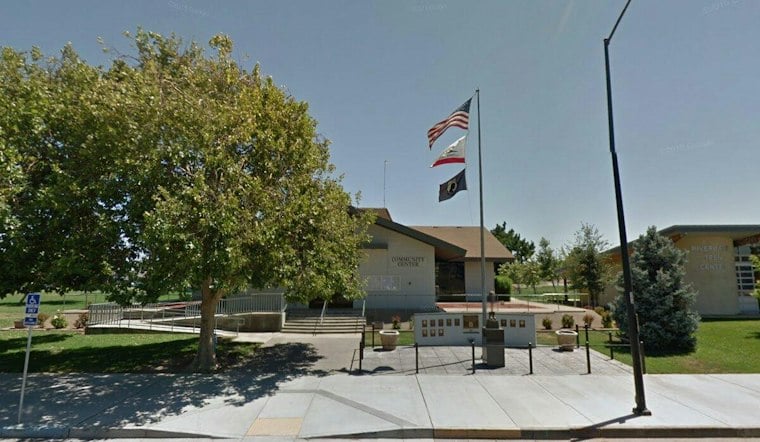
Riverbank's City Council held a public hearing Tuesday on the River Walk Specific Plan, a proposal that would bring nearly 2,700 homes and commercial development to hundreds of acres west of the city. The hearing landed just weeks before voters decide Measure M, a citizen-petitioned initiative that could reshape how — and whether — projects like River Walk get built on farmland going forward.
A Massive Development Meets a Ballot-Box Reckoning
The River Walk project would add nearly 2,700 homes along with commercial space on land west of Riverbank, according to CBS News. The council's public hearing on the plan was scheduled for 6 p.m. Tuesday at the Community Center on Santa Fe, per the city's own notice on riverbank.org. The vote arrives roughly six weeks before Riverbank voters head to the polls in November, when they'll also decide the fate of Measure M.
Measure M made the ballot through a citizen petition rather than a council vote, the station's report notes. If approved, it would require majority voter approval before the City Council could allow urban development on agricultural or open-space land west of Riverbank — effectively handing residents direct veto power over future growth decisions like the one now facing River Walk.
Farmland at the Center of the Fight
Some Riverbank residents oppose the River Walk project specifically because of its impact on agricultural land, per the same account. Gary Pearson, a lifelong Riverbank resident and farmer, said housing development can permanently damage agricultural soil — a concern rooted in land that currently produces almonds, walnuts, cherries and pumpkins, the outlet reports.
Mayor Rachel Hernandez said some residents are frustrated with how growth and development have been handled in Riverbank, and separately said residents are frustrated by a possible lack of transparency on certain projects. Those frustrations have fed directly into the push behind Measure M, according to the same reporting.
Legal Questions Cloud Measure M's Future
Measure M's path is not without obstacles. Riverbank City Attorney Tom Hallinan wrote in the impartial analysis prepared for voters that the measure is likely unconstitutional because it conflicts with state housing and annexation laws. That same impartial analysis warns Measure M could expose Riverbank to lawsuits from the California attorney general or private developers if it passes.
Hernandez acknowledged the legal uncertainty, saying the questions surrounding Measure M could ultimately be settled in court and that courts will decide what happens with the measure. She also said taxpayers would cover the cost of any legal fight over Measure M, regardless of the outcome.
Part of a Statewide Pattern
Riverbank's clash over farmland and voter control fits into a broader trend across California. Research from SPUR identified 208 local land-use ballot measures statewide that curb urban sprawl and protect open space by limiting new development to already-urbanized areas. SPUR also cautions that measures restricting infill housing can undermine affordability and potentially worsen racial segregation over time.
The scale of this kind of ballot activity isn't new. The Terner Center for Housing Innovation found that California voters faced 52 housing-related measures on local ballots in 2022 alone, with at least 16 of those measures asking voters to change how housing gets approved at the local level. The Terner Center notes that some of these measures have been placed on ballots directly in response to specific developments opposed by local citizens — a dynamic that mirrors what's now playing out in Riverbank.





