

























































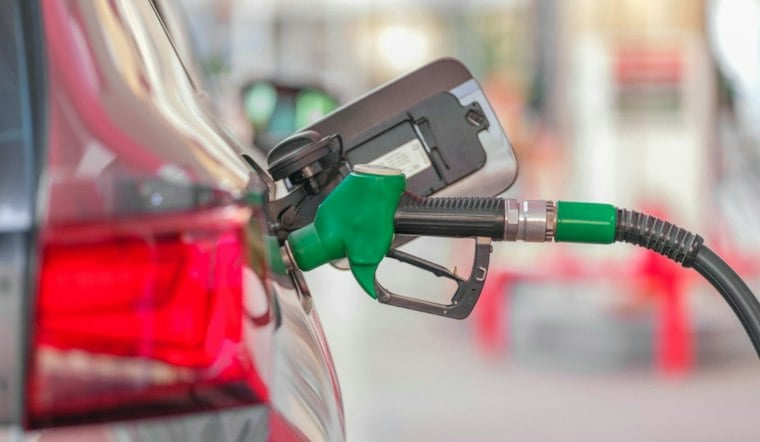
Drivers across Riverside County are paying $6.112 for a gallon of self-serve regular gasoline, the highest average price the county has seen since October 2, 2023. The price rose 1.8 cents on Sunday, extending a streak of daily increases that has now stretched to 34 consecutive days.
The figures, compiled by the Automobile Club of Southern California and the Oil Price Information Service, show the county's average has climbed 59.2 cents over that 34-day run, according to KESQ. That puts the local average 17.7 cents higher than a week ago, 57.3 cents higher than a month ago, and a full $1.507 above where it stood a year earlier. Since February 28, the county's average has risen $1.561 per gallon.
The current run is still well short of Riverside County's all-time record of $6.373 per gallon, a mark set on October 5, 2022, according to MyNewsLA.com. But the pace of the current climb, and its ties to an active overseas conflict, have kept pressure on local pumps into the fall.
A War Overseas Is Reshaping Prices at Home
The joint U.S.-Israel military campaign against Iran has sent oil prices higher and accelerated the recent run of gasoline price increases, the same KESQ report notes. Nationally, the average price of self-serve regular gasoline rose one-tenth of a cent Sunday to $4.786, extending a run in which prices have risen on 21 of the past 22 days. The national average has climbed 40.1 cents over that 22-day span, is 16.2 cents higher than a week earlier, 36.9 cents higher than a month earlier, and $1.295 higher than a year ago.
Patrick De Haan, head of petroleum analysis at GasBuddy, said the national average is now at its highest level this late in the calendar year that GasBuddy has on record, per the KESQ report. GasBuddy tracks real-time prices from more than 150,000 gas stations nationwide. Nationally, prices have risen $1.496 since the onset of the attack on Iran.
Why California Feels It Worse
Southern California's exposure to this kind of shock runs deeper than the headlines from the Middle East. More than 75% of California's crude oil is sourced from outside California, with Middle Eastern nations supplying roughly 29% of those imports in 2025, according to the California Fuels & Convenience Alliance. That leaves the state's isolated fuel market, which lacks interstate pipelines linking it to cheaper supply elsewhere, especially sensitive to disruptions in maritime chokepoints tied to the conflict.
On top of that exposure sits California's tax and regulatory structure. The state excise tax on motor vehicle fuel rose to 63.4 cents per gallon on July 1 under an automatic inflation adjustment required by Senate Bill 1, according to the California Department of Tax and Fee Administration. Combined federal, state, and local taxes, along with environmental compliance costs like Cap-and-Trade and Low Carbon Fuel Standard requirements, contribute to retail gasoline costs statewide, per the U.S. Energy Information Administration.
State and Federal Moves to Ease the Squeeze
Separately, a federal emergency waiver the EPA issued on August 20 allowed nationwide sales of winter-grade E10 gasoline starting September 1 to bolster fuel inventories and moderate pump prices, as reported by Energy News Beat.
State lawmakers have also moved on the legislative front. Earlier this year, California legislators introduced Senate Bill 493 to add international war as an explicit emergency trigger under Penal Code Section 396, the state's 10% price-gouging prohibition, as Hoodline previously reported. Separately, Assembly Bill X2-1, enacted in October 2024, gave the California Energy Commission authority to set minimum inventory requirements and resupply obligations for refiners undergoing planned maintenance, according to the EIA.
One more regulatory lever remains on the table heading into autumn. California's fuel controls extend beyond September 15, but early state authorization to switch to the cheaper winter blend can boost supply, according to the California Air Resources Board. Whether that switch comes early this year remains an open question as the county's 34-day streak of rising prices continues.





