

























































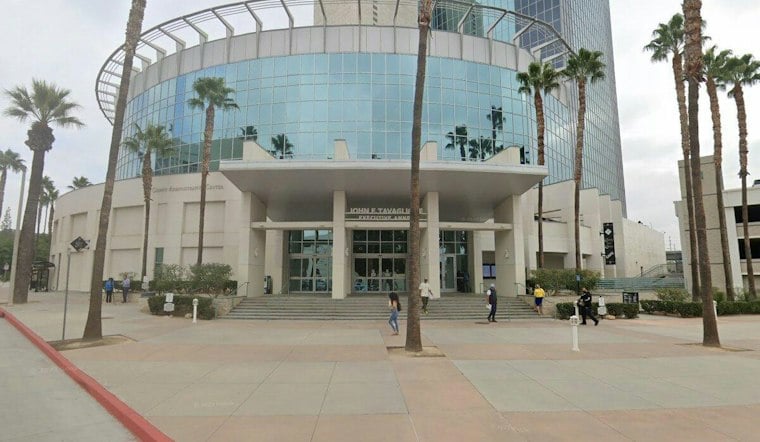
Riverside County officials say they are overhauling how the Public Guardian's Office tracks visits to some of the county's most vulnerable adults, after a scathing grand jury report found deputies were juggling caseloads far beyond recommended limits and lacked a reliable system to confirm clients were being checked on in person. The office's employees serve as court-appointed watchdogs for adults who cannot care for themselves, including people with dementia, developmental disabilities, or severe mental illness.
The response, which appeared on the Board of Supervisors' agenda, addresses a Civil Grand Jury report published in June 2026 that criticized high caseloads and other operational problems inside the office, according to The Press-Enterprise. The grand jury's 18-page report, titled “How Well Do They Protect Riverside County's Most Vulnerable?”, came after jurors interviewed deputy public guardians about the operational deficiencies plaguing the office, as reported by MyNewsLA.
Caseloads Still Far Above Recommended Limits
The findings were stark. Deputy public guardians in the Probate Section were handling 38 to 51 clients each, while those in the Lanterman-Petris-Short Act section — which covers gravely disabled adults with severe mental illness — averaged 88 to 118 clients apiece, according to the same MyNewsLA report. Both figures blow past the 1-to-30 maximum ratio set by a statewide professional standards group.
That threshold traces back to a 2022 review by former federal Judge Stephen Larson, whom the county hired after the office faced scrutiny in 2021 following public accounts from adult Turpin siblings, who said in a TV interview that they struggled to find money for food, were forced to live in bad neighborhoods, and entered society with few life skills or regard for their own well-being after being freed. The Public Guardian's Office had looked after the Turpin adult siblings. Larson found that extremely high and complex caseloads, limited funding, and a lack of oversight had put public guardian clients at risk, the Press-Enterprise reports.
The Riverside County Board of Supervisors hired Larson's firm in October for $868,000 to conduct an independent investigation, according to Patch. Larson's team reviewed more than 2,600 pages of records and interviewed more than 100 people before releasing its 634-page report in July 2022, which found Public Guardian deputies were carrying 98 to 113 cases each — roughly 3.5 times the recommended industry standard.
Staffing Boost Wasn't Enough
In response to that 2022 report, the Riverside County Board of Supervisors approved a budget expanding Public Guardian staffing by 33% to bring caseloads down. But four years later, the Civil Grand Jury found that high caseloads continue to be a problem for the office, meaning the earlier staffing bump has not resolved the underlying strain inside the office.
Riverside County is now recruiting to fill Public Guardian openings, per the Press-Enterprise. The office also lacked a systemic way to verify that clients were seen in person at least once every 90 days — a gap the grand jury flagged directly. The county said it would improve centralized monitoring and supervisory follow-up.
Software Fix and a Schedule Change
To close the visit-verification gap, the county said monitoring should improve, while MyNewsLA reported that the Panoramic platform has produced efficiencies. The grand jury had recommended centralized supervisory follow-ups after discovering the office's visit logs were unstructured.
The grand jury also found that staff were restricted by schedules that kept them in the office instead of meeting clients in the field. In response, Riverside County employees in the Public Guardian's Office are now required to be in the office only one day a week instead of two, freeing up more time for face-to-face visits with conservatees.
The county also addressed how visits are monitored. The county did agree that appropriate portions of training could be digitized, which officials said will free up additional time for managers.
A Legal Framework Built for Two Populations
The Public Guardian's dual mandate reflects a statutory divide in California law. Probate conservatorships under the Probate Code cover cognitively impaired adults, while Lanterman-Petris-Short Act conservatorships under the Welfare and Institutions Code apply to gravely disabled adults with severe mental illness and carry distinct authority to involuntarily place conservatees in psychiatric care, according to Disability Rights California. Separately, California Probate Code Section 2620 requires court-appointed conservators, including public guardians, to submit formal estate accountings to the court one year after appointment and at least biennially thereafter, per Justia Law.
The office's struggles have drawn scrutiny well beyond the grand jury's caseload findings. Foster parent Marcelino Olguin, who took in several rescued Turpin siblings, was sentenced in October 2024 in Riverside County Superior Court to seven years in state prison after pleading guilty to lewd acts on a minor and false imprisonment, according to CBS News Los Angeles. The case has also been discussed in connection with broader scrutiny of the county's foster-care system since the 2018 Turpin rescue.
For now, staffing and caseload distribution remain challenges for the office, with recruitment, turnover, and other operational obstacles adding to the strain. Public guardian employees are entitled to a workplace that provides the time and resources needed to serve clients effectively, the county said, even as it works to determine whether the new software tracking and reduced office days will be enough to close the gap the grand jury identified.





