

























































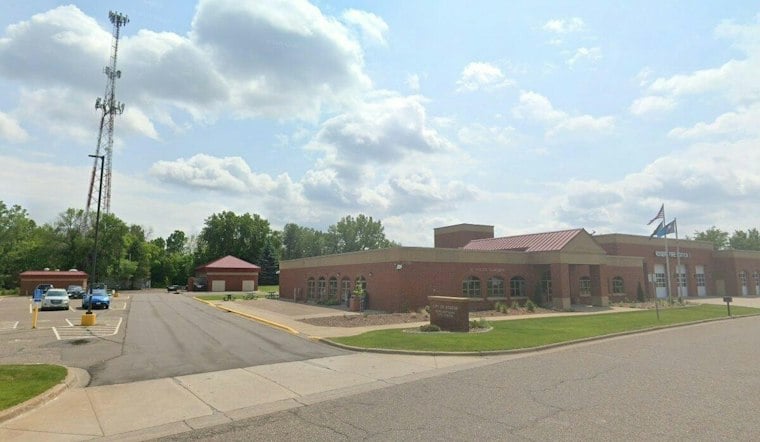
The Rogers City Council has approved a preliminary property tax levy increase of 19.28% for 2027, a figure that would translate to roughly a $276 hike for a home valued at the city's median of $466,800. City officials say the jump reflects years of deferred expenses finally coming due, alongside the cost of a new civic campus meant to replace administrative offices that have sat inside the public works building for two decades.
Rogers Mayor Shannon Klick defended the preliminary figure, acknowledging that city leaders are “not excited about this either,” but said the city has no choice but to address costs that had been “kicked down the road” for years, according to FOX 9. Council members have pointed to years of modest 2% annual levy increases that created a budget backlog, one that compounded following the COVID-19 pandemic, the station reported. As 5 EYEWITNESS NEWS notes, Rogers City Administrator Steve Stahmer said growth itself brings added costs, including more road lane miles, parks, and increased police and fire calls.
A City Outgrowing Its Temporary Offices
Rogers has grown from 11,197 residents in 2010 to an estimated population of 17,626 in 2025, a 57.4% increase over 15 years, according to population data reported by the Metropolitan Council and U.S. Census Bureau, per the KSTP report. That growth has strained city facilities: council members have said Rogers' city hall administrative operations have been “squatting” inside the city's public works building for 21 years while long-delayed infrastructure projects move forward, the station's report notes.
Chief among those projects is a new City Hall and Police Department Civic Campus. In August 2026, the Rogers City Council authorized the competitive sale of $39,235,000 in general obligation capital improvement plan bonds to finance the ongoing construction, according to a post from Crow River News. Public safety remains a top priority for the city, and Stahmer has said the proposed levy increase addresses issues that were previously deferred, per KSTP.
How a Lower 2026 Levy Created a 2027 Gap
The preliminary hike also traces back to budget maneuvering from the prior cycle. Rogers City Council approved a preliminary tax levy increase of 14.26% for 2026, which would have represented about $181 for the median household, but the final budget passed in December ultimately increased the levy by just 9.82%, or $106 per household, per KSTP's reporting.
City administrative staff explained that tapping into fund balances to lower that 2026 levy — bringing the preliminary hike down from 14% to 9.82% — created a structural revenue gap that contributed directly to the preliminary 2027 increase, alongside inflation and staffing costs, the FOX 9 report states. Stahmer has cautioned that Rogers should not repeatedly push the levy as low as possible only to catch up in future years, according to KSTP. The proposed tax levy increase this cycle is tied in part to added staffing costs, the station reported.
What Happens Before the Final Vote
Under Minnesota's Truth in Taxation law, local taxing authorities must certify their preliminary property tax levies to the county auditor on or before September 30 each year, a requirement that sets a statutory cap that can be lowered but not raised before final budget adoption, per the Minnesota Office of the Revisor of Statutes. That means the certified 19.28% figure functions as a maximum ceiling rather than a locked-in rate, and the Rogers City Council can still approve a lower levy before the end of the year, with a final budget expected in December.
Individual tax bills ultimately depend on more than the citywide levy figure. Under Minnesota property tax procedures, actual payments are determined by dividing a municipality's certified tax levy by its total net tax capacity, meaning homeowner bills reflect both city budget decisions and local property valuation changes, according to the League of Minnesota Cities. Homestead properties receive specific statutory class rates that county assessors use to calculate that tax capacity.
Rogers Isn't Alone Among Growing Suburbs
Rogers' situation mirrors a broader pattern across the Twin Cities metro, where several fast-growing suburban communities have faced steep preliminary levy proposals in recent budget cycles. Carver proposed an 18.92% increase, Otsego nearly 19%, Arden Hills 18%, and St. Francis roughly 16%, per FOX 9's comparison of metro-area budgets. Statewide, preliminary property tax levies rose by 6.9% overall for payable 2026, totaling nearly $950 million in proposed increases and marking the highest average county levy increase in Minnesota since at least 2002, according to MPR News.
Rogers property owners will also see the impact of overlapping levies from other taxing entities. Hennepin County, where Rogers is located, proposed a preliminary property tax levy increase of nearly 8% for its own budget, compounding the local tax burden for Rogers residents, per FOX 9's reporting. County auditors mail parcel-specific Truth-in-Taxation notices to Minnesota property owners each November, detailing estimated property taxes for the coming year and listing mandatory public input meetings scheduled between late November and late December, according to the Minnesota Department of Revenue. Those meetings will give Rogers residents a formal chance to weigh in before the council finalizes its budget in December.





