

























































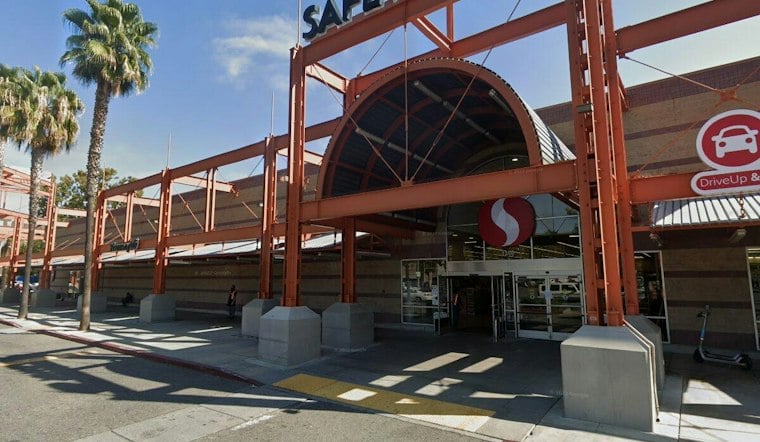
San Jose is considering new rules for self-checkout at grocery stores and pharmacies, but the proposal has not yet become law. The City Council’s rules committee voted Wednesday to study limits that would include a 15-item transaction cap and a requirement that at least one staffed checkout lane remain open, according to the East Bay Times and The Mercury News.
What the proposal would change
The plan under review would bar customers from using self-checkout to purchase tobacco or locked merchandise and would require one employee for every three operating kiosks. It would also call for checkout areas to remain visible to store staff and law enforcement, along with signs explaining customers’ rights and how to report violations. The full council is expected to consider the matter in early 2027; the committee action itself creates no new requirement.
City officials have cited as much as $400,000 a year in lost sales-tax revenue linked to retail theft as a reason for examining the rules, according to The Mercury News. That figure is a justification for the proposal, not a demonstrated estimate of losses caused specifically by San Jose self-checkout lanes.
A local proposal in a broader policy debate
San Jose’s possible 15-item limit would resemble a rule Santa Ana approved in May 2026. LAist reported that Santa Ana’s ordinance requires at least one employee to monitor self-checkout lanes and limits shoppers to 15 items or fewer. The comparison shows that San Jose’s proposed limit is not unprecedented, but the cities’ ordinances may differ in coverage and implementation.
The proposal would also revive issues that California lawmakers have tried, unsuccessfully, to address statewide. The East Bay Times reported that a 2024 bill sought a one-employee-for-two-kiosks ratio, relief from other duties for assigned staff, and an open traditional lane; a 2025 follow-up required dedicated kiosk employees without setting a ratio. Both measures failed. A separate state measure, SB 442, remains in committee review and would address advance notice, workplace-safety programs, and penalties for certain grocery and drug-store self-checkout changes, according to CalMatters.
What the theft data can—and cannot—show
Research cited in the retail industry debate suggests self-checkout can produce more recorded shrink than staffed lanes, but it does not establish San Jose’s local loss rate. A Grabango analysis of nearly 5,000 transactions found a 3.5% shrink rate at self-checkout versus 0.21% at conventional cashier lanes; the figures were reported by Progressive Grocer, which also noted that the study came from a company that develops self-checkout technology. Those results are a comparison from one analysis, not proof that every self-checkout transaction involves theft.
San Jose’s council still has to determine whether the proposed staffing, transaction, merchandise, visibility and signage requirements are workable, how they would be enforced, and whether they would affect prices or wait times. Until the full council acts, the city’s proposal remains a subject of study rather than an adopted restriction.





