

























































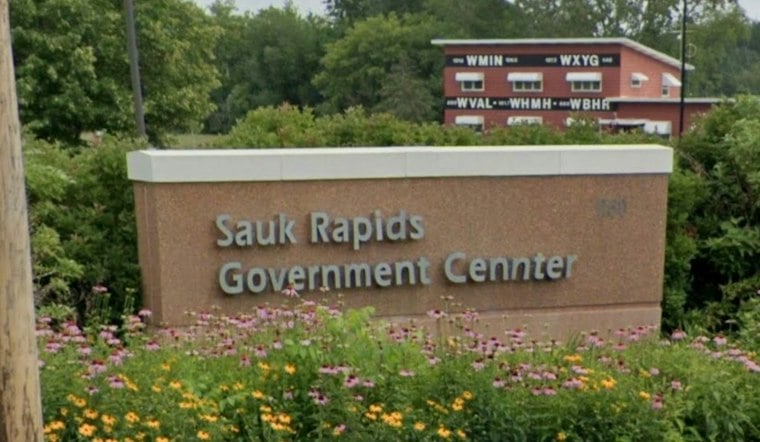
Sauk Rapids homeowners are looking at one of the smallest property tax levy increases the city has proposed in years, but that doesn't mean bills are going down. The city's preliminary 2027 levy would rise by $207,900, or 2.99%, to a total of $7,164,500 — a sharp slowdown from the 8.92% increase adopted for 2026 and the 9.19% hike the year before that.
The proposed budget numbers come from a report by KNSI, which detailed how Sauk Rapids' overall tax rate is actually expected to fall from 44.75% to 44.29% next year. City officials attribute that dip to a roughly 4% expansion of the city's tax base, driven largely by rising home valuations across Sauk Rapids. Even so, the same report notes that most typical homeowners will still see their annual property tax bills climb by $10 to $40, while a home with an unchanged value would actually see a small decrease of $5 to $15.
Where the Money Goes
The 2027 levy breaks down into several distinct allocations, according to the KNSI report. Of the total, $5,688,400 is earmarked for general city operations, while $935,000 is set aside for street reconstruction work. Another $286,100 will go toward paying down the city's 2022 street improvement bond, $130,000 is allocated to the building fund, and $125,000 is designated for capital equipment purchases.
Those figures sit alongside a 2027 general fund budget of $10,084,500 — an increase of $403,400, or 4.17%, over the current year. Sauk Rapids Finance Director Jack Kahlhamer has pointed to general wage and benefit increases along with rising cybersecurity costs as key drivers behind that growth, per the same KNSI report.
A Pattern of Rising Costs
The moderation in this year's levy increase follows a stretch of steeper hikes tied to staffing changes. In December 2025, KNSI reported that Sauk Rapids' 2026 general fund budget jumped by nearly $700,000, largely because of full-year personnel costs tied to newly added police officer and public works positions hired partway through 2025. That kind of mid-year hire creates a structural, full-year expense the following budget cycle, which helped push the 2026 levy increase to 8.92%.
Rising personnel costs aren't unique to staffing additions, either. The Benton County Herald reported in January that municipal employee health insurance premiums increased 20%. Minnesota also has a state-mandated Paid Family and Medical Leave program, but the available reporting does not establish a specific compliance cost for Sauk Rapids.
How Sauk Rapids Compares Regionally
Despite the recent run of levy increases, Sauk Rapids continues to carry the lightest per-capita tax burden among comparable Central Minnesota cities. The Benton County Herald's January report on the city's Truth in Taxation hearing showed Sauk Rapids' per-capita levy at $500, well below Sartell's $535, St. Joseph's $719, and Waite Park's $1,518.
Census figures compiled by Data USA show Sauk Rapids had a population of 13,852 in 2024 and a median household income of $71,841.
Looking Ahead to Future Budgets
City projections included in the KNSI report show the levy is expected to rise again in future years, with a 3.85% increase forecast for 2028 and a 5.21% increase projected for 2029. The 2027 EDA budget is also on the Monday agenda, while enterprise fund budgets and broader capital plans will be addressed in separate discussions later in the process.
The available reports focus on the city's budget and levy rather than detailing City Administrator Ross Olson's tenure, awards or initiatives.
What Happens Next
The Sauk Rapids City Council is not expected to take a vote at its Monday meeting, which begins at 6 p.m. at the Sauk Rapids Government Center at 250 Summit Avenue North. Instead, the council is scheduled to formally adopt the preliminary levy on September 28. Under Minnesota Statute 275.065, all statutory cities and counties must certify their proposed preliminary levy to the county auditor by September 30 each year, a deadline detailed by the Minnesota Department of Revenue. Once certified, that preliminary figure serves as a ceiling — the final levy adopted in December can be lowered but not raised.
A final public hearing on the 2027 budget and levy is set for December 14, when the council will adopt final numbers. State law also provides for Truth in Taxation notices to property owners, according to the MN Revisor's Office.
Those overlapping jurisdictions matter for the final bottom line on any given tax bill. Sauk Rapids residents also pay property taxes to Benton County and to the Sauk Rapids-Rice School District. WJON reported in June that the school district, known as ISD 47, approved its budget for the first time in five years without operational cuts, following $7.6 million in cumulative reductions over the prior five years. Because the jurisdictions certify their levies separately, and a school district that has agreed with its county may certify by October 7 rather than September 30, the true impact on any individual property tax bill won't be fully clear until all the pieces are in place.



