

























































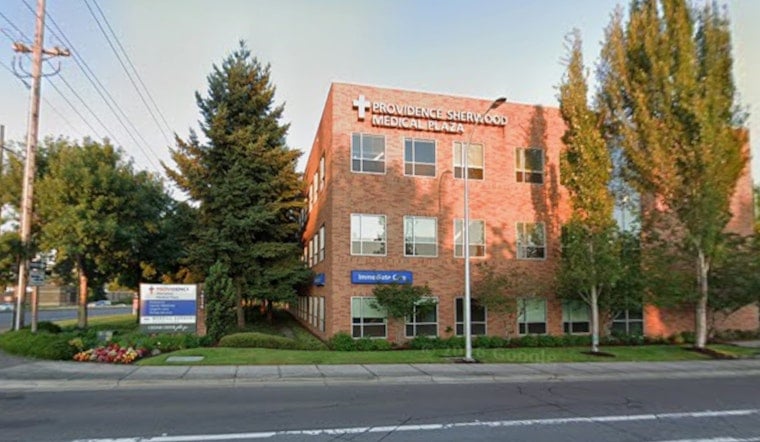
Brandon Harris walked into a Providence urgent care clinic in Sherwood on March 23 with a headache he described as sudden and unprecedented, according to a lawsuit filed by his family. Three days later, the 26-year-old was dead, and his parents are now suing Providence Health & Services for $23 million, alleging the provider who examined him missed the textbook signs of a bleeding brain aneurysm.
According to the lawsuit, filed in Multnomah County Circuit Court, Harris was seen by a Providence physician associate who diagnosed him with a minor tension headache brought on by anxiety and panic attacks. As reported by The Oregonian/OregonLive, the provider concluded Harris had no concerning exam findings and that his presentation was not consistent with a cerebral aneurysm, and did not order any diagnostic scans or tests. Harris was sent home without being told to go to the emergency room.
Harris, an information technician and Portland State University engineering physics student, was healthy and had no history of headaches, the suit says. At the urgent care visit, he reported not just a headache but memory loss, dizziness, neck pain and vomiting — combination of symptoms the lawsuit describes as classic for a bleeding cerebral aneurysm. He had no head injuries, according to the filing.
A Wedding Three Weeks Away
Harris and his fiancée were planning to marry on August 15, according to the lawsuit. Instead, three days after the urgent care visit, on March 26, his fiancée found him unresponsive and called 911. He was not revived. His cause of death was later listed as an acute subarachnoid hemorrhage over the base of the brain due to a ruptured saccular berry aneurysm, per the lawsuit.
Jeffrey Young, the attorney representing Harris's parents, has spent 15 years defending providers in medical malpractice cases before taking on this suit. He told the outlet that providers should recognize red-flag symptoms like the ones Harris presented with, and said emergency surgery on the aneurysm likely would have saved Harris's life. The physician associate who examined Harris did not consult a doctor or neurologist before sending him home, the lawsuit alleges.
The clinical stakes behind that omission are well documented. Guidance from NICE identifies a sudden, severe headache that peaks within minutes — a so-called thunderclap headache — as a critical red flag for a ruptured brain aneurysm requiring immediate CT imaging or an emergency department referral. Research published in the journal Stroke found that subarachnoid hemorrhages are misdiagnosed in emergency and urgent care settings between 5% and 19% of the time, and that an initial misdiagnosis carries up to a fourfold increase in death or severe disability.
How Oregon Law Frames the Case
Under Oregon Revised Statute 677.095, licensed providers must exercise the degree of care, skill, and diligence that an ordinarily careful physician would use in similar circumstances, a standard typically proven through expert medical testimony, according to the Oregon State Bar. Physician associates in Oregon practice under written collaborative agreements with licensed physicians rather than direct supervision, but they retain individual legal responsibility for the care they provide, per state administrative rules governing PA practice standards.
The family's $23 million claim is notably higher than what Oregon's wrongful death statute typically allows. ORS 31.710 caps non-economic damages in wrongful death cases at $500,000, though the Oregon Court of Appeals ruled in July that applying that cap to severe awards can be unconstitutional depending on the case, according to Johnson Law, P.C. Unlike claims against government-run facilities, which are capped under the Oregon Tort Claims Act, private healthcare systems like Providence face uncapped economic damages in negligence suits, per the Oregon Judicial Department.
Notably, Providence has faced this legal theory before. In 2017, the Oregon Supreme Court ruled in Smith v. Providence Health & Services that losing a substantial chance at a better medical outcome due to negligent care is itself a recognized, actionable injury under state law — a case that also involved Providence failing to diagnose a patient's stroke symptoms. The lawsuit was filed within Oregon's two-year discovery window for medical malpractice claims under ORS 12.110(4), which requires such suits be filed within two years of when the injury was discovered or should have been discovered.
Providence spokesperson Gary Walker declined to comment on the lawsuit, citing the pending litigation. Harris's family said in the filing that his life was tragically cut short.
Broader Strain on Portland-Area Health Systems
The lawsuit lands amid continued upheaval across Portland's major health networks. Providence announced plans to sell its Oregon health plan in March, and rival network Legacy Health tapped a former Providence executive as CEO in April while contending with a $71.2 million loss and urgent care clinic cutbacks. It's part of a wider pattern of high-dollar malpractice litigation against Portland-area providers this year, following a $534 million lawsuit filed against Kaiser last week by a Portland man who lost both legs after his care.





