

























































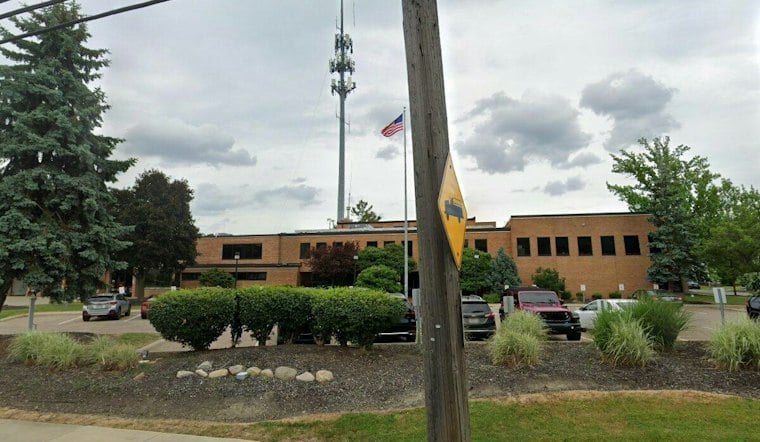
A 75-year-old South Euclid man drove two World War I-era artillery shells to the city's police station earlier this month, hoping to hand them over for safe disposal. Instead, he triggered a bomb squad response that shut down the station's parking lot after technicians determined both shells were still active and loaded.
The man arrived at the South Euclid police station on September 8th uncertain what exactly he was carrying, according to Cleveland.com. He had the shells sitting in his vehicle when he pulled up, and police called in an area bomb squad to investigate the suspected unexploded ordnance. One of the two shells was stamped with a 1918 production date, per the same report.
Bomb technicians who responded found that both artillery-style shells appeared to be active and loaded, not inert relics safe for display. The parking lot at the South Euclid police station was shut down for a short time while the squad worked, before the devices were loaded into a bomb squad truck and hauled away for proper disposal, Cleveland.com reported.
Why Century-Old Shells Are Still Dangerous
High-explosive artillery shells manufactured around 1918 were part of a major World War I-era shift away from older shrapnel rounds, relying on secondary explosives that were built to be stable but that still retain their energetic potential more than a century later, according to background compiled from Wikipedia. That staying power is exactly why old shells cannot simply be treated as harmless keepsakes decades after the war that produced them ended.
A 2024 study published through PubMed Central found that military explosives from early 20th-century conflicts undergo severe physical degradation over time, causing aged high explosives like Amatol to become significantly more impact-sensitive and volatile than previously assumed. Corroded fuses and chemical breakdown inside century-old shells can make them more likely to detonate from a jolt or impact than when they were first manufactured, according to the research summarized via PubMed Central.
That risk is precisely why the U.S. Department of Defense's 3Rs Explosives Safety Program, which stands for Recognize, Retreat, Report, tells civilians who encounter suspected unexploded ordnance to never touch, move, or transport the items. The guidance instead calls for evacuating the area and calling 911. The Army's Three Rs program expanded its public education push in 2024 specifically to reinforce that military munitions do not lose their explosive danger simply because they have aged.
A Felony Risk Under Ohio Law
Under Ohio Revised Code, military artillery shells and active explosive devices are legally classified as dangerous ordnance, and knowingly possessing or transporting that kind of ordnance is a felony offense unless the person is specifically licensed or exempted. Driving live shells across town in a personal vehicle, in other words, carries legal exposure well beyond the physical danger involved.
Cuyahoga County police stations, including South Euclid's, commonly host drop-off boxes for unused prescription medications, but local guidelines strictly prohibit bringing hazardous materials, weapons, or suspicious chemical items to police facilities, according to CuyahogaRecycles. The distinction matters: a lockbox meant for old pills is not equipped to handle live wartime ordnance walking through the front door.
Regional Bomb Squads Built For This Exact Scenario
Emergency bomb squad responses in South Euclid draw on regional consortiums such as the Eastside Departments Group Enforcement Bomb Squad, which pools specialized tactical and explosive disposal equipment across Cuyahoga County municipal departments, as reported by WKYC. Squads like these typically rely on remote-controlled robots and portable X-ray systems to evaluate and manipulate suspected explosives without putting officers in direct physical danger, per research from the Brookings Institution.
Northeast Ohio has seen legacy military munitions surface repeatedly in recent months. In June, the Lorain County Sheriff's Office Bomb Squad was called to a Columbia Station home after relatives clearing a deceased family member's estate found a stash of old grenades and landmines, as Hoodline previously reported. And in February, Columbus bomb technicians worked alongside Wright-Patterson Air Force Base specialists to conduct controlled detonations in a gravel pit to destroy artillery shells found in Knox County.
It remains unclear how the South Euclid man came into possession of the two World War I shells, or where the bomb squad ultimately transported them for controlled disposal. What is documented is the outcome: two live, century-old artillery shells that spent time riding in a civilian's car before ending up in the hands of technicians trained to handle exactly that kind of risk.





