

























































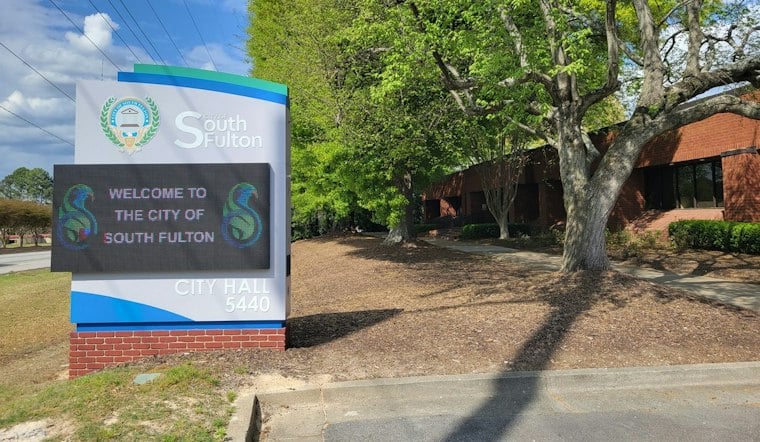
Reshard Snellings filed a lawsuit against South Fulton in July 2025, according to WSB-TV. The case is his third lawsuit involving the city’s handling of public-records requests. Snellings and his attorney, Mario Williams, say the city has not fulfilled obligations arising from an earlier records dispute.
What the new case seeks
The latest filing concerns a records request Snellings submitted in April 2025. WSB-TV reported that he says the city did not respond for more than two months. The lawsuit seeks an order requiring South Fulton to comply with Georgia’s transparency laws rather than monetary damages, according to the station.
South Fulton declined to comment on the pending case, WSB-TV reported, while saying the city remains committed to transparency and accountability. The station also reported that Snellings and Williams contend the city is not complying with the 2024 consent decree.
Earlier settlement obligations
How the records system works
Georgia’s official guidance says public agencies must use the most economical means available to provide copies of public records and may charge reasonable search, retrieval and administrative costs, according to the Office of the Attorney General of Georgia. South Fulton identifies its city clerk as the official keeper of city records. According to the City of South Fulton’s Office of the City Clerk, that office also coordinates the city’s records-management and retention programs.
The current dispute follows an earlier lawsuit that ended in a settlement, according to a legal summary published by Ramsingh Legal. The terms called for internal Open Records Act training, online publication of the city’s records policy and fee schedule, and creation of a one-page policy for the public. The city also agreed to use its best efforts to respond to requests on time and in good faith and to pay Snellings’ attorney’s fees and costs.
The latest filing therefore tests whether the earlier settlement measures have addressed the practices at issue. Based on WSB-TV’s account, Snellings and Williams argue that the city’s handling of the April request demonstrates continuing noncompliance.





