

























































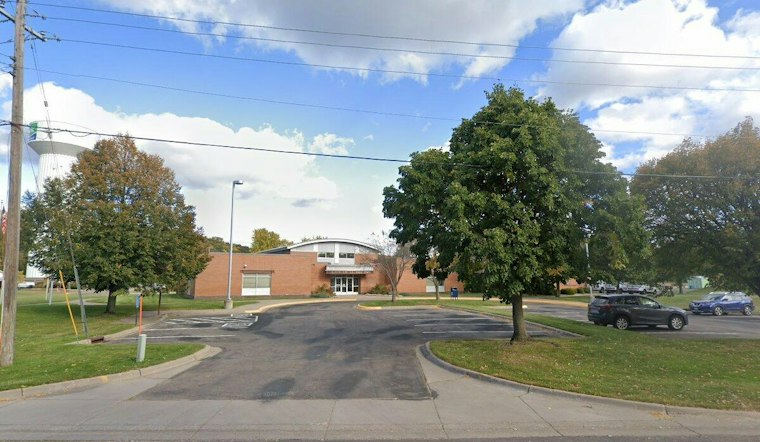
St. Paul Park's City Council has set a preliminary 2027 property tax levy increase of just 1.8%, a modest figure that stands out sharply against double-digit hikes proposed in several other Twin Cities suburbs this budget season. The move comes a year after the city approved a much steeper 9.8% levy increase, and officials say they're now trying to give homeowners a bit of breathing room.
The council set the preliminary 2027 tax levy at $3,377,264 at a meeting reported as September 22, 2026, according to the Cottage Grove Journal. That total includes an operational budget of $2,817,855 — a 4.59% decrease from 2026 — along with a debt levy of $179,574 and a capital levy of $200,000. As reported by KSTP, the city's planned 2027 budget totals $3.3 million, and officials are leaning on $800,000 in state local government aid to help fund it.
Mayor Keith Franke told KSTP the proposed levy would actually reduce the median homeowner's tax bill by $23 compared to last year, for a St. Paul Park property valued around $295,000 — translating to about $1,173 in city property taxes. Franke, who previously served two non-consecutive terms as a Republican in the Minnesota House representing District 54A, said the city is trying to keep tax bills down and did not want to overcharge citizens.
How St. Paul Park Trimmed Its Budget
To hit the lower number, the city relied on interest revenue to add $110,000 to its 2027 budget and skipped outside consultants to save another $50,000, per KSTP. The Cottage Grove Journal's account puts the total savings at $207,000, driven by capturing interest revenue and cutting $97,000 in expenses elsewhere. Franke acknowledged there are no guarantees the city can repeat the same budget reductions next time.
This year's restraint follows a much rockier 2026 budget cycle. When the council finalized its 2026 levy last December, it landed on a 9.8% increase — down from an initial preliminary cap that had ranged as high as 13.5% to 14.9%, according to the same Cottage Grove Journal reporting. City officials trimmed several preliminary budget items in late 2025 after public feedback on sharp property valuation jumps, illustrating a pattern in which St. Paul Park routinely scales back its final levy from its September ceiling.
St. Paul Park, a city of about 5,000 residents per KSTP, isn't alone in facing pressure from home valuations. Washington County increased the valuation rate of homes by 4.1%, KSTP reports, a factor separate from the levy itself but one that still shapes what residents ultimately owe.
County and School Levies Could Offset the Savings
Even with the city holding its own line low, St. Paul Park residents aren't off the hook elsewhere on their tax statements. Washington County approved its own preliminary 2027 levy increase of 7.9% on September 22, and county officials say $2.56 million in federal and state cost shifts for mandated social and nutritional programs drove about a third of that increase, according to Washington County. Under that proposal, the owner of a median-valued $430,600 Washington County home would pay $60 more in county property taxes. The county says it still maintains the second-lowest property tax rate and third-lowest levy per capita among the seven Twin Cities metro counties, trailing only Dakota County.
The South Washington County Schools district, which serves St. Paul Park, is also weighing its own preliminary levy pressures. Ahead of a September 24 meeting, the district noted that Minnesota's per-pupil basic education formula of $7,683 has trailed inflation by $1,516 per student, creating an estimated $31 million formula gap, per CitizenPortal. Because Minnesota property tax bills combine city, county, school district, and Metropolitan Council levies, the net effect on any given St. Paul Park tax statement will hinge on decisions still to come from the county and school board.
Under Minnesota's Truth in Taxation process, cities must certify preliminary levies by September 30 as a hard ceiling — the final number approved in December can be lowered but never raised, according to the City of St. Paul Park. That gives the council room to adjust downward again before its final December vote, just as it did heading into 2026.
How St. Paul Park Compares Across the Metro
The city's 1.8% figure looks especially small next to some of the metro's bigger players. KSTP reports Minneapolis has proposed an 11.3% levy increase, while St. Paul and Minnetonka are each eyeing 6.8% hikes and Apple Valley has proposed 8.9%. Statewide, preliminary levies across Minnesota local governments rose by up to 6.9% heading into 2026, representing nearly $948 million in potential maximum property tax expansion, according to reporting from FOX 9.
James Vang, a St. Paul Park resident, told KSTP that lower taxes help reduce his costs and make life easier for his family — a sentiment city leaders are clearly hoping resonates as budget season continues. John Spry, an economist at the University of St. Thomas, told KSTP that smaller towns typically carry smaller payrolls and provide fewer services, which can help keep levy growth down. Spry added that slower spending growth means property levy increases don't have to climb as high, and noted that public approval of local government can show up both in elections and in home values.
Statewide, Local Government Aid for Minnesota cities remains capped at a fixed appropriation. Total LGA certified for 741 Minnesota cities in 2027 came to $644 million, matching the level set by the Minnesota Legislature back in 2023, according to the League of Minnesota Cities. That fixed aid pool means cities like St. Paul Park have limited flexibility to lean further on state support if local costs rise again next year.





