

























































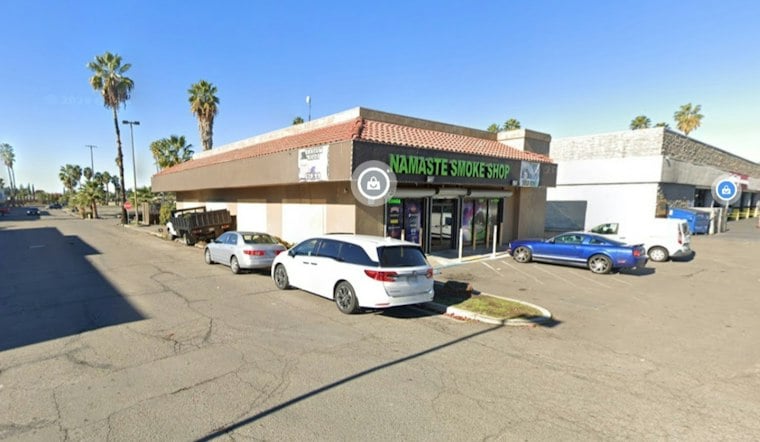
Stockton’s latest smoke-shop enforcement campaign has closed 13 businesses and led police to seize more than $100,000 worth of illegal or prohibited products, according to KCRA. The operation is part of a broader local effort aimed at unlicensed retailers and shops selling prohibited tobacco products.
The scale of the effort is larger than the latest closure count alone. Stockton police told KCRA they had conducted 162 smoke-shop inspections. City officials have said enforcement will continue, but the available reporting does not establish that every seized product or closure involved the same violation.
A local crackdown built around licensing
Stockton began tightening its rules in March 2025, when the City Council unanimously adopted an emergency moratorium on new smoke shops, relocations and physical expansions, according to ABC10. The city later considered extending the development freeze through March 2, 2027, which would be the maximum two-year period allowed under California law, Stocktonia reported.
Stocktonia reported that Stockton had more than 100 licensed tobacco retailers. In February 2026, the council considered proposed tobacco-retailer licensing rules under which violations could lead to fines of up to $1,000 per day, suspension after two infractions in a year and revocation after three. Those rules address the businesses’ licensing status and conduct; they do not by themselves show how many of the 13 latest closures resulted from each category of violation.
How California’s rules define legal products
Stockton’s enforcement operates within a statewide system that has become more specific since 2025. The California Department of Justice says Assembly Bill 3218 took effect on Jan. 1, 2025, amended the state’s flavored-tobacco restrictions and established an Unflavored Tobacco List for covered products allowed to be sold as unflavored: California DOJ.
Products covered by the framework but absent from that list can be seized, and state and local agencies may pursue civil penalties against retailers, according to the DOJ. A separate department bulletin says local law-enforcement agencies are authorized to enforce restrictions on flavored tobacco products and flavor enhancers, with priorities including obviously flavored products and unlicensed sellers: DOJ enforcement bulletin.
A municipal comparison
Elk Grove used licensing and land-use controls in response to smoke-shop concerns. A City of Elk Grove staff report says that city adopted an urgency ordinance on April 8, 2020, imposing a moratorium on tobacco-retailer licenses: Elk Grove City Council staff report.
That earlier action is a municipal comparison, not evidence that California cities are experiencing an identical enforcement wave. The Stockton operation remains the specific event at issue: police reported 162 inspections, 13 closures and more than $100,000 in seized products, while the city’s expanded licensing rules and the state’s product-list system provide the legal framework for future action.





