

























































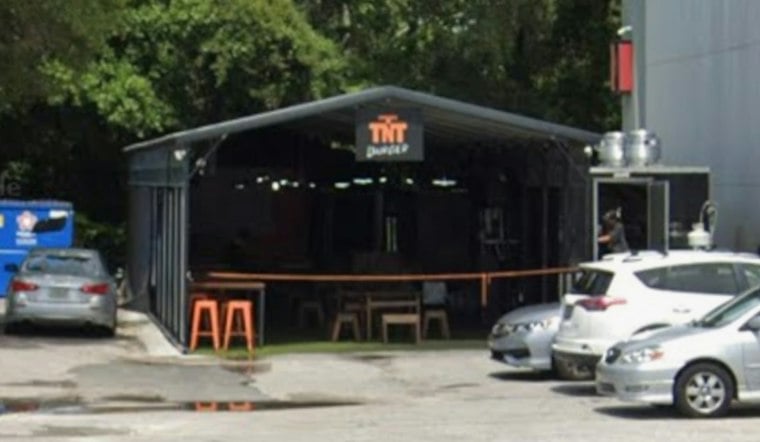
TNT Burger, the Tampa burger shop built by Carolina Martinez's family, is facing a narrower margin as food, rent and other operating costs rise faster than menu prices. Martinez told FOX 13 Tampa Bay that keeping the business affordable while covering those expenses has become its central challenge.
TNT Burger opened in 2020 and developed a local following through social media and novelty menu items. FOX 13 Tampa Bay reported that Martinez said inflation sharply increased the shop's food costs last year and that the pressure has continued.
Beef, tomatoes, French fries, rent and commercial insurance have all gotten more expensive, according to the station's report, squeezing a business that Martinez says still tries to keep prices affordable for customers. The station notes the pressure became severe enough that TNT Burger closed its newer South Tampa location, a casualty of inflation combined with hurricane damage.
Beef Prices Are Outrunning Everything Else
Beef costs are one part of a broader inflation problem, but federal projections show why the ingredient is especially difficult for burger restaurants. Retail beef and veal prices are projected to climb 9.8% in 2026, compared with a 2.5% forecast increase for groceries overall, according to USDA Economic Research Service forecasts cited by Ag News. The USDA later cut its 2026 commercial beef-production forecast to 24.877 billion pounds, citing a slower slaughter pace for fed cattle and lower dressed weights, National Hog Farmer reported.
Those wholesale pressures aren't isolated to beef. U.S. Producer Price Index data released in September 2026 showed final demand wholesale prices up 5.4% year-over-year in August, according to the National Association of Manufacturers, a sign that the cost pressure facing restaurants like TNT Burger reaches well beyond a single ingredient.
Storm Damage and Insurance Costs Piled On
Storm damage and insurance costs added another complication for the South Tampa location. The article's cited Florida insurance estimates put insured losses from Hurricanes Helene and Milton at roughly $50 billion in late 2024, with rate increases and coverage pullbacks affecting businesses across the Tampa Bay region, according to Business Insurance Cost in Florida 2026. Commercial liability premiums for Florida businesses are separately reported to be rising 8% to 15% in 2026, with an average commercial liability claim reaching $78,000 to resolve, according to Smaart Insurance data cited in that report.
What the broader data shows
A national price index confirms that restaurant costs remain elevated, although it does not by itself measure labor expenses or business survival. The Federal Reserve Bank of St. Louis' FRED database, using Bureau of Labor Statistics data, put the U.S. food-away-from-home price index at 397.868 in August 2026, based on the 1982-84 reference period, according to FRED. Official Florida disaster-response records document financial assistance for storm-affected businesses rather than a regionwide accounting of commercial-property damage. The Florida Division of Emergency Management said the state made $50 million available through an emergency bridge-loan program for businesses impacted by Hurricane Milton, according to the agency.
Layered on top of insurance costs is a looming statutory deadline. Florida's minimum wage is set to reach $15.00 per hour on September 30, 2026 under constitutional Amendment 2, with the tipped worker cash minimum rising to $11.98 per hour, according to the Florida Restaurant & Lodging Association. Hoodline previously reported that the wage increase arrives alongside a wave of restaurant closures tied to rising operating expenses in the state, in a piece titled Florida wage hits $15 this month.
A National Squeeze, Not Just a Local One
TNT Burger's predicament mirrors what small business owners are reporting nationwide. A September 2026 NFIB survey found 16% of small business owners cited inflation as their top problem, while net reported sales dropped to -9%, the lowest level since late 2025. The National Restaurant Association, meanwhile, estimated that 42% of restaurant operators were unprofitable last year and that total restaurant expenses have climbed 36% since 2019 — figures Hoodline detailed in its earlier report, 42% of restaurants unprofitable. The trade group projects 2026 total U.S. restaurant industry sales of $1.55 trillion, but with real inflation-adjusted growth of just 1.3%, as more than 90% of operators face intense cost pressure across food, labor, insurance and utilities.
Other Tampa-area operators have already buckled under similar strain. A Florida Moe's Southwest Grill franchisee filed for Chapter 11 bankruptcy and shrank to 22 stores after inflation, labor costs and declining foot traffic caught up with the business, Hoodline reported in its story on the Moe's franchisee bankruptcy filing.
Still Serving, Still Growing
Martinez told the station that TNT Burger is trying to preserve its food quality while keeping prices within reach of customers. The approach reflects the trade-off facing the business: absorbing more of the increases can reduce its margin, while passing them along can make meals less affordable.
According to the station's report, Martinez and her husband still intend to open locations elsewhere in Florida. Their plans show that the family sees room for growth even as it reassesses the costs of operating each restaurant.




