

























































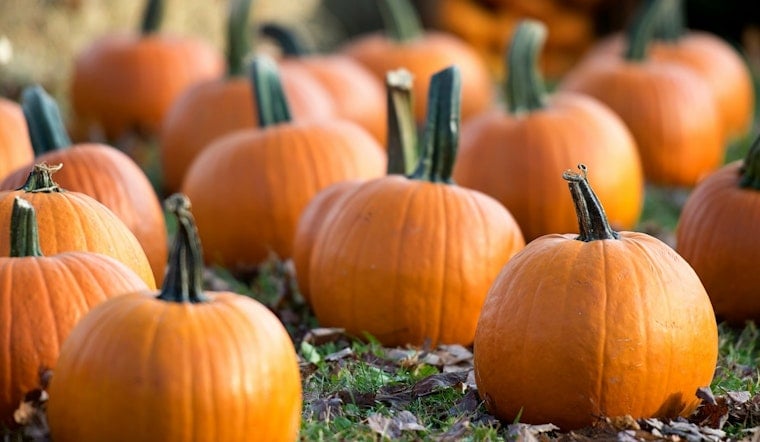
Tanaka Farms is opening its pumpkin patch on September 12, and the Irvine farm is warning fall fans not to sleep on tickets. The 5380 3/4 University Drive attraction requires advance purchase of timed-entry tickets, and farm staff say the best arrival slots tend to disappear first.
Tickets for the 2026 season are already available, according to a report by NBC Los Angeles. Weekend admission runs $27, while weekday visits cost $23, and guests also need a $12 weekend parking pass. Military members can get a discount on admission, and shoppers who buy four tickets for an eligible Friday after noon, Saturday, or Sunday in September get free parking automatically applied at checkout.
What's Included With Entry
Per the same NBC Los Angeles report, a ticket covers the farm's corn maze, unlimited wagon rides, a play area for young kids, and the Barnyard education exhibit where visitors can meet farm animals. Weekend visitors can also take a shot at the pumpkin cannon, while weekday guests get the chance to pick their own vegetables straight from the fields. Pumpkins themselves are sold separately, priced at $1.39 per pound.
Parking is limited at the Irvine site, the outlet notes, which is part of why Tanaka Farms is steering visitors toward advance ticketing and encouraging them to select a specific arrival hour rather than showing up and hoping for the best.
A Second Patch Opens in Costa Mesa
Two days after the Irvine patch debuts, Tanaka Farms' sister site, Hana Field, opens its own pumpkin patch on September 14 in Costa Mesa. Hana Field is overseen by Tanaka Farms and sits on a 30-acre plot the farm leased off Anton Boulevard from the Sakioka family, another historic Japanese American farming family in Orange County, according to the Los Angeles Times. The Costa Mesa location launched in 2021 with u-pick flower fields before adding its own seasonal pumpkin patch.
The Irvine property itself has a more layered backstory than a typical fall pop-up. Tanaka Farms moved to its current 30-acre University Drive site in 1998 after suburban commercial development pushed out its previously leased 200-acre farm near Irvine Center Drive and Bake Parkway, according to the Irvine Standard.
Why Ticket Sales Matter So Much
Fall visitors buying timed tickets are, in effect, keeping the lights on at one of Orange County's few remaining working farms. Agritourism activities like field tours and educational programs now generate roughly 75% of Tanaka Farms' annual revenue and draw about 200,000 visitors a year, according to The Guardian. That's a dramatic shift from the 1980s, when the operation relied on wholesale crops and faced potential bankruptcy, the outlet reported.
That shift mirrors a national trend. Farm agritourism and recreational income across the country jumped 78% between 2012 and 2022 as growers increasingly turned to direct consumer experiences, according to a November 2024 summary from the Office of the New York State Comptroller citing USDA census data, as traditional crop margins have tightened for small family farms.
Four Generations of Family Farming
Tanaka Farms traces its roots to Takeo Tanaka, who immigrated from Hiroshima in the early 1900s, and his son George Tanaka, who fled to Utah during World War II to avoid Japanese American internment before returning to farm in Southern California in 1945, according to historical records published by Tanaka Farms. The farm erected a heritage monument on its grounds in 2021 displaying roughly 80 placards honoring historic Japanese American farming families who worked Orange County's land despite wartime internment and discrimination, as reported by Nichi Bei News.
Beyond the fall patch, Tanaka Farms remains a working produce operation. The farm cultivates about 60 varieties of fruits and vegetables year-round using sustainable methods, selling directly to consumers through an on-site market stand and a Community Supported Agriculture subscription program, as reported by U.S. Bank. Hoodline previously ranked it Irvine's top produce spot based on local reviews and business data.
Farmland itself keeps shrinking around the pumpkin patch. Orange County produced $86.4 million in gross agricultural value in 2022, with strawberries as the county's single highest-value crop, though total production value fell 8.9% from the prior year due to weather events and economic pressures, according to the Los Angeles Times' review of the county's crop report. That squeeze helps explain why timed tickets, parking passes, and pumpkin-by-the-pound sales carry so much weight for a farm trying to stay in business on land that's otherwise disappearing under suburban development.





