

























































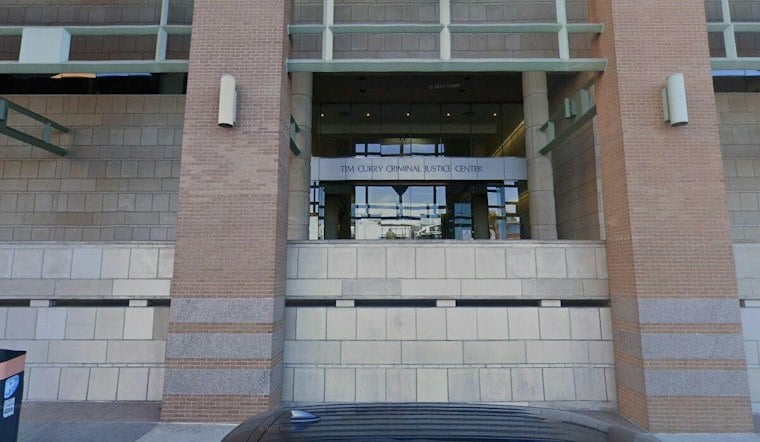
Crystal Mason's decade-long fight against an illegal voting conviction is over. The Texas Court of Criminal Appeals voted 5-4 on Thursday, September 24, 2026, to dismiss the state's petition for review, letting stand a lower court's decision to overturn her conviction for casting a provisional ballot in the 2016 election that was never even counted.
The high court's unsigned ruling dismissed the state's petition for discretionary review as “improvidently granted,” a procedural move that ends the case without the court issuing a new opinion on whether the original evidence against Mason was sufficient, according to WFAA. Four judges dissented from the decision: David J. Schenck, Kevin Yeary, Lee Finley and Gina Parker, according to Dallas News. The case, which began nearly a decade ago and drew national attention, leaves the Texas 2nd Court of Appeals' March 2024 ruling in Fort Worth as the final word.
A Ballot That Was Never Counted
Mason, a Tarrant County resident who was 51 during the appeals process, cast a provisional ballot in the 2016 presidential election while on federal supervised release stemming from a 2011 tax fraud conviction, per Dallas News. Under Texas law at the time, people were barred from voting until they had fully completed a felony sentence. Her ballot was flagged, rejected, and never counted, but a poll worker reported the incident, and Tarrant County prosecutors charged her with illegal voting; a judge sentenced her to five years in prison in 2018.
Mason has consistently said she did not know she was ineligible to vote when she filled out the provisional ballot, according to Dallas News. Notices were mailed to Mason's listed home address in 2013, while she was still serving her federal sentence, per Justia Law.
The Law Changed Around Her Case
In 2021, the Texas Legislature passed a sweeping elections bill requiring prosecutors to prove that defendants actually knew they were ineligible to vote before securing an illegal voting conviction, and lawmakers from both parties pointed to Mason's prosecution while arguing for the new standard, Dallas News reports. The reform applied retroactively, per Justia Law.
Mason appealed her conviction under that 2021 law, and the Fort Worth-based Texas 2nd Court of Appeals overturned it in March 2024. Tarrant County District Attorney Phil Sorrells appealed that ruling, calling for the Court of Criminal Appeals to find the evidence against Mason sufficient to reinstate her conviction, according to Dallas News. That bid failed this week.
State Cleared Her, But Federal Prison Still Happened
Even though her state conviction has now been fully unwound, Mason still spent 10 months in federal prison after federal officials determined that casting the uncounted 2016 provisional ballot violated the terms of her federal supervised release from the 2011 tax fraud case, according to The 19th News. It is a stark split outcome: acquitted at the state level, incarcerated at the federal level, over the same single ballot that was never tallied.
Mason's case unfolded against a broader statewide backdrop. During the 2016 general election, roughly 40,000 provisional ballots were cast and later rejected by county election administrators across Texas, according to a Wikipedia summary of her case. As of 2024, approximately 26 states and Washington, D.C. restored voting rights for most people with felony convictions, whereas Texas requires completion of all parole, probation, and supervised release requirements first, per Al Jazeera.
Sorrells Signals He Isn't Backing Down
In response to Thursday's ruling, Sorrells issued a public statement reiterating that illegal voting remains a crime and that his office will continue to investigate and prosecute anyone who knowingly violates Texas election laws, per WFAA.
That enforcement stance echoes a separate legislative move. Texas classifies illegal voting as a second-degree felony punishable by up to 20 years in prison.
Advocates Call It a Long-Overdue Ending
ACLU of Texas attorney Thomas Buser-Clancy expressed disappointment and confidence that justice would prevail, according to Dallas News, and voting rights groups said Mason's punishment illustrated the harsh consequences of Texas election laws. Buser-Clancy also said the prosecution showed the importance of voting rights and exercising the right to vote, per the same report.
Mason has since founded Crystal Mason the Fight, an organization focused on combating voter suppression, according to Dallas News. Her case, which stretched nearly 10 years and drew national attention, closes with the underlying legal question of evidentiary sufficiency left unresolved by the Court of Criminal Appeals' procedural dismissal — even as the acquittal itself stands as final.





