

























































The Trump administration has asked the Supreme Court to let it enforce a Bureau of Prisons policy that would strip transgender inmates of gender-transition surgeries, hormone therapy and certain social accommodations, after a federal judge blocked the rule and an appeals court refused to intervene. The emergency request keeps alive a monthslong legal fight over how the federal prison system treats inmates diagnosed with gender dysphoria.
According to SCOTUSblog, the administration is asking the justices to block a lower-court order barring enforcement of the February 2026 policy, which would prohibit transgender inmates from obtaining gender-transition surgeries, hormone therapy and social accommodations. Those accommodations, as detailed by CBS News, include items like chest binders, wigs and breast padding, though the policy would continue to make mental-health services available to inmates with gender dysphoria.
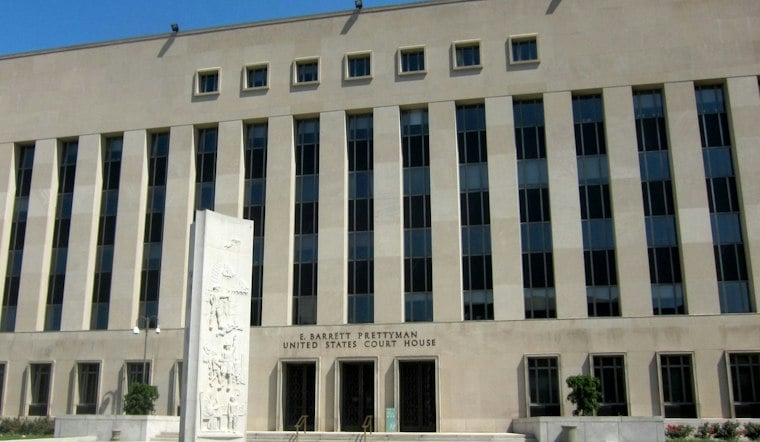
Senior U.S. District Judge Royce Lamberth issued the most recent order blocking the policy on Aug. 26, the outlet reports, prohibiting the Bureau of Prisons from applying the rule to any inmate who is or will be diagnosed with gender dysphoria. A divided panel of the U.S. Court of Appeals for the District of Columbia Circuit then declined to pause Lamberth's order, leaving the block in place and prompting the Department of Justice to escalate the fight to the Supreme Court, according to the Denver Gazette.
Solicitor General Says Judge Overstepped
Solicitor General D. John Sauer argued in the emergency petition that Lamberth's order improperly substituted the district court's own policy judgment for that of the Bureau of Prisons, the same SCOTUSblog report notes. Sauer contended the policy was lawfully enacted under the bureau's rulemaking authority and said the district court's order causes irreparable harm to the government and the public, urging the high court to let the administration enforce the policy while litigation continues.
Per Courthouse News, the administration also argued that courts should defer to the experience and expertise of prison officials on matters of institutional security and administration. The Bureau of Prisons has said it changed its policy based on the latest scientific information along with security and prison-administration concerns, according to the Denver Gazette. The Supreme Court had not immediately responded to the emergency application as of Monday, Courthouse News reports, and has not set a timeline for ruling on the request.
How the Policy Reversed Course
Before the February 2026 policy took effect, the federal prison system operated under rules that allowed transgender people to be offered hormones, surgery and placement in prisons matching their gender identity, according to The Marshall Project. The new policy would end gender-affirming medical and social-transition care for almost any transgender person incarcerated in federal prisons, the same outlet reports, reversing procedures that had allowed inmates with gender dysphoria to receive such treatments when clinically indicated, per WTVB.
More than 600 people with gender dysphoria were receiving gender-affirming hormones in federal prison, according to court documents cited by The Marshall Project. That figure offers a sense of scale for a policy fight that has already produced conflicting court rulings — in June, a federal judge ordered the Bureau of Prisons to continue providing hormone medications to transgender inmates, as reported by the New York Times.
Three transgender inmates sought to file a class-action lawsuit in federal court in Washington, D.C., SCOTUSblog notes, part of the broader litigation challenging the policy's rollout. The Trump administration has faced several legal challenges to policies aimed at curbing transgender surgeries, according to the Denver Gazette, and has pursued similar restrictions in other areas, including a policy that restricted the gender listed on a person's passport to their biological sex. The Supreme Court allowed that passport policy to take effect while litigation continued and could decide later this fall whether to take up the passport case for full arguments, per the Denver Gazette's report.




