

























































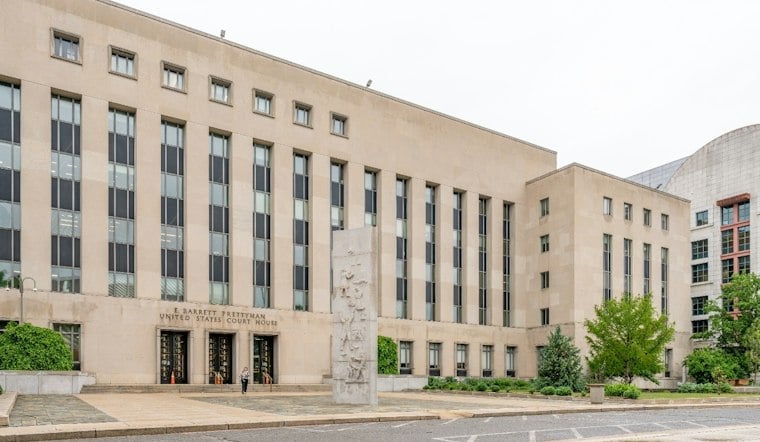
The Trump administration has settled a lawsuit brought by a group of unions over its plans to carry out mass layoffs of federal workers during government shutdowns, agreeing to pull back the open-ended permission it had claimed to fire employees whenever funding lapses. The deal marks a retreat from guidance that had directed agencies to prepare sweeping reductions in force tied to the president's priorities.
What the Settlement Changes
As reported by Reuters, the settlement abandons the administration's guidance directing agencies to initiate mass layoffs during shutdowns. Under the agreement, federal agencies will remove blanket layoff authorization from their individual shutdown plans and will instead give 30 days' notice before modifying those plans. The lawsuit challenged the administration's plans for shutdown-related layoffs.
The unions sued the administration in October 2025, and during the case a federal judge in San Francisco blocked more than 4,000 planned layoffs that year. The lawsuit followed guidance from the Office of Management and Budget that told agencies to prepare plans for mass firings in the event of a shutdown, according to wkow.com. That guidance instructed agencies to target programs with lapsed funding for sweeping reductions in force that could permanently eliminate jobs deemed “not consistent” with President Donald Trump's priorities, and it urged departments to issue reduction-in-force notices to both furloughed and essential employees, the station reported.
A Bargaining Chip Removed
Patrick Moran, president of the American Federation of State, County and Municipal Employees, said the settlement limits the administration's ability to use federal workers as bargaining chips during the next government shutdown. The unions were represented by a legal team that included Danielle Leonard, Alice Wang, Norm Eisen, Craig Becker and Rushab Sanghvi, who represented AFGE specifically. The Trump administration also faced the unions' lawsuit.
The threat of mass firings had already been part of the dispute for months before the shutdown litigation was resolved.
The Toll of the Last Shutdown
The scale of the earlier shutdown fallout was significant. The Office of Management and Budget sent layoff notices to about 4,200 government workers, with the steepest cuts landing at the Treasury Department and the Department of Health and Human Services, according to Forbes. At the same time, roughly 670,000 federal workers had been furloughed and another 730,000 were working without pay, the outlet reported.
Those numbers followed a pattern seen earlier in the year. During a shutdown threat in March, more than 1.4 million federal employees were deemed essential, while nearly 900,000 others faced furlough without pay, per wkow.com's reporting. Separately, the White House had signaled that thousands of layoffs could begin within days of a shutdown taking hold, according to apg-wi.com.
A Shrinking Workforce and Past Shutdown Costs
The settlement lands amid a broader contraction of the federal government's ranks. Reuters reports that the civilian federal workforce shrank by 12% between September 2024 and January 2026, a decline that has unfolded alongside the repeated threats of shutdown-triggered layoffs.
Government shutdowns carry economic costs well beyond the paychecks of furloughed workers. The 2018-2019 shutdown lasted 35 days and reduced economic output by about $11 billion, including $3 billion that was never recovered, according to Congressional Budget Office estimates cited by apg-wi.com. That history looms over the current settlement, which for now changes the rules agencies must follow the next time funding lapses, without resolving every question about how future disputes over federal jobs will be handled.




