

























































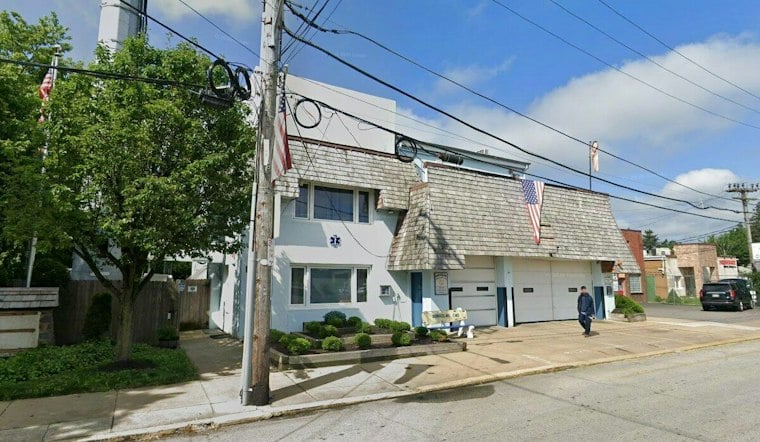
Paramedics in Upper Merion Township can now do something most ambulance crews in the country cannot: give a patient a blood transfusion before they ever reach a hospital. The township rolled out the capability this summer, putting it among a relatively small group of ambulance companies able to provide blood products, according to officials.
The change traces back to the Pennsylvania Department of Health, which updated its guidelines to allow specially trained paramedics to administer blood transfusions in the field, as reported by NBC10 Philadelphia. Before that shift, blood transfusions outside a hospital setting were largely reserved for air ambulances and specialized physician vehicles. Standard ground ambulances in Pennsylvania have long been limited to fluids like saline, which lacks the clotting factors and oxygen-carrying components found in real blood.
Upper Merion Township invested between $10,000 and $15,000 in equipment to make the program possible, per the outlet's report. Whole blood and packed red blood cells have to stay refrigerated and get used within about a month of collection, according to EMS1, which makes onboard temperature control the hardest engineering problem for any agency trying to carry blood in a moving vehicle.
Sophisticated Coolers Keep Blood Viable on the Road
Alvin Wang said pre-hospital blood transfusions require sophisticated coolers, temperature tracking, and blood stewardship processes to keep the product safe for use. Newer cooler technology allows Upper Merion EMS to keep blood at the appropriate temperature inside a moving ambulance, addressing a logistical hurdle that has kept most agencies from attempting the program at all. Similar cooler-based systems with remote temperature monitoring have already been used in other urban fire-based EMS systems, according to a report published by JEMS.
Upper Merion EMS works with Jefferson Einstein Montgomery, which supplies the blood products the ambulance crews carry. A unit of whole blood remains usable for about 21 days after it's drawn from a donor, and Upper Merion returns any unused blood to the Jefferson Einstein Montgomery blood bank after roughly 14 days. Wang said that same 14-day return window, after which the hospital blood bank has about seven additional days to use the returned units before they expire.
A Blood Drive and a Broader Shortage
Upper Merion Township held a blood drive this week, part of an effort tied to blood shortages that prompted the township to help stock the hospital blood bank it relies on. The transfusion program itself is funded through a mix of grant and taxpayer money, and the EMTs who administer transfusions in the field receive special training beyond standard paramedic certification.
The transfusions can be used for patients experiencing car crashes, gastrointestinal bleeding, anemia, or childbirth complications before they ever reach a hospital bed. That range matters because blood loss is the leading cause of death for trauma patients, according to the National Institutes of Health. Medical experts say pre-hospital blood transfusions improve survival rates for trauma patients, and the military has relied on pre-hospital transfusions for years, adopting whole blood as its preferred fluid for battlefield resuscitation back in 2014, per JEMS. Prehospital use of blood products in general traces back to the 1990s, when military and civilian helicopter EMS crews began the practice, the same JEMS report notes.
The research on outcomes is not uniform. The PAMPer trial found that giving trauma patients plasma before hospital arrival was safe and linked to a reduction in 30-day mortality, JEMS reported. But the COMBAT trial, which also tested ground-EMS blood-product use, found a similar safety profile without a demonstrated mortality benefit. A 2017 study of combat casualties, cited by EMS1, found that early administration of blood products improved the chances of survival — evidence that has helped push the practice from the battlefield into civilian ambulances.
Still a Rarity Nationwide
EMS units rarely carry blood, officials say, and the numbers back that up: only 2% to 3% of EMS services nationwide carry blood at all, though that figure is growing, per EMS1. More than half of U.S. states include prehospital blood transfusion within a paramedic's scope of practice, but just 28% have published statewide protocols authorizing the practice for even one indication, according to JEMS.
Pennsylvania has become something of a proving ground. Pittsburgh EMS began carrying whole blood on two rescue units last September, partnering with Vitalant and UPMC to keep two units of Type O blood in medical freezers on each truck, per WESA. Ross/West View EMS started carrying blood on May 7, and just three days later used it to treat an unconscious patient with internal bleeding who was heading toward cardiac arrest, EMS1 reported. VMSC Emergency Medical Services allows paramedics to administer whole-blood transfusions in an ambulance or even inside a patient's home, having started the same type of service in Montgomery County a few months before expanding into Chester, according to 6abc.
St. Luke's Emergency and Transport Services began carrying whole blood on critical-care transport ambulances in July 2024, becoming one of the region's first ambulance services to do so, according to St. Luke's University Health Network. Its ambulances in Monroe, Bucks and Lehigh counties now use whole blood when necessary to save lives before patients reach a hospital. Unlike IV fluid, whole blood contains red blood cells, white blood cells, platelets and plasma, the health network notes.
Towns and hospitals across Pennsylvania are working to bring pre-hospital blood transfusion technology to more parts of the state, following models already running in places like Colorado, where Thompson Valley EMS operates what it calls the state's only whole-blood program built around a blood-exchange system with UCHealth and the Garth Englund Blood Center. Unused units from that program are returned to the blood center after a two-week rotation so they can still be used in local hospitals, according to Thompson Valley EMS. For Upper Merion Township, the summer rollout puts Montgomery County alongside a growing but still small list of communities where an ambulance ride can now include something once available almost exclusively in a hospital or on a helicopter.





