

























































Traditional Mexican dancers, a classic and custom car show, and rows of food vendors will fill Parque Castillo and El Rio Vista Recreation Center on Saturday, September 12, as Saint Paul's West Side neighborhood throws its annual Mexican Independence Day celebration. The free event runs from 10 a.m. to 6 p.m. and also features live music, a kids zone, football, and local vendors selling food and goods, according to a Facebook post from Saint Paul Parks and Recreation.
The celebration is organized by West Side Fiestas alongside the West Side Boosters, a nonprofit youth sports organization that has served the neighborhood since 1970. The Boosters operate under a policy of never turning away a young athlete because a family can't pay, and the group also co-organizes Saint Paul's Cinco de Mayo festival, which drew 30,000 attendees last year. Executive Director Bob Cruz said in a February Facebook video that rising municipal permit and service fees have made staging these large Latino cultural events increasingly difficult for the volunteer-run group.
A Park Named for a West Side Organizer
The festival's home base, Parque Castillo at 149 Cesar Chavez Street, is named for Nicolas “Casnik” Castillo Sr., a Chicano community activist, neighborhood organizer, and musician whose family settled in the West Side Flats in the 1940s, according to the West Side Community Organization. Castillo's family pushed for local Chicano studies programs and neighborhood health services during his lifetime. Saint Paul Parks and Recreation completed a major renovation of the park in October 2018, adding a splash pad, updated playground equipment, and a public art monument in Castillo's honor, with the ribbon cut by his 99-year-old widow, Tomasa Castillo, according to Latino American Today.
Folkloric dance troupe Los Alegres Bailadores is part of this year's lineup, and the group carries its own ties to the neighborhood's past. According to the Ramsey County Historical Society, the Twin Cities dance company has deep roots among West Side families whose artistic traditions trace back to the historical West Side Flats, where folkloric dance has been a fixture of community celebrations for decades.
A Century of Roots on the West Side
Mexican immigrants began settling in Saint Paul's West Side Flats in the 1910s and 1920s, first arriving as agricultural farmworkers from Texas before moving into year-round jobs at local meatpacking plants and on the railroads, according to Twin Cities PBS. That settlement made the Flats Minnesota's first major Mexican-American enclave. The neighborhood's geography shifted dramatically after a catastrophic Mississippi River flood in 1952, when Saint Paul officials and the Port Authority spent the 1960s clearing the Flats for industrial redevelopment and highway construction, displacing thousands of Mexican-American families up to the bluffs, per Streets.mn.
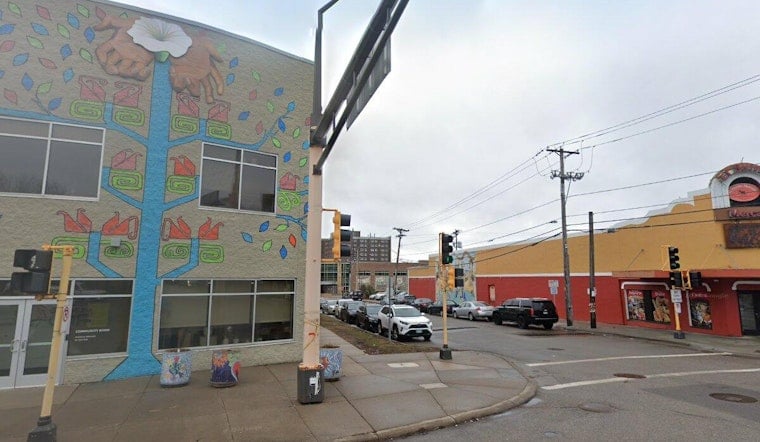
Those displaced families relocated to higher ground. Cesar Chavez Street and the surrounding District del Sol commercial corridor are part of the West Side today. The corridor is part of the neighborhood's present-day landscape. In 2025, the neighborhood's history of displacement remained part of discussions about housing and homeownership.
Still One of the Metro's Latino Strongholds
Today the West Side is home to a Latino community in the Twin Cities metro area. That presence helps explain why events like the Mexican Independence Day celebration and Cinco de Mayo have become fixtures of neighborhood life rather than one-off gatherings.
Saturday's celebration folds all of that history into a single day at the same recreation grounds that have hosted other West Side community gatherings. With traditional dance, food, cars, and music slated to fill Parque Castillo from morning through early evening, organizers are once again asking a historically displaced community to gather, celebrate, and mark its endurance on the same bluffs its ancestors were pushed toward generations ago.





