

























































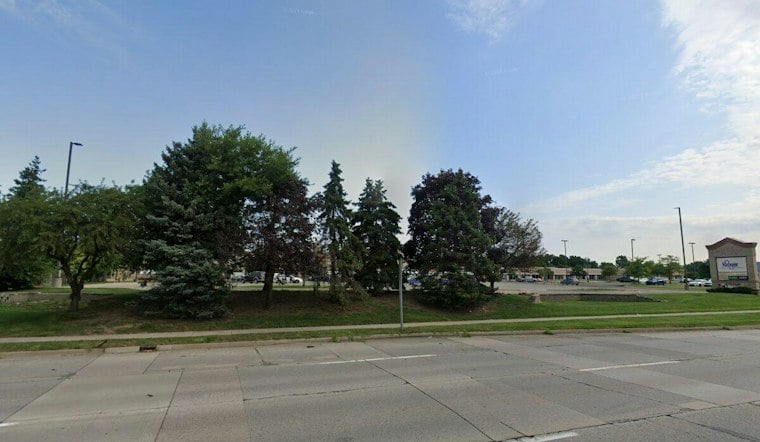
Tents, scattered clothing and piles of garbage have taken over a wooded stretch behind a Kroger in Westland, Michigan, near Michigan Avenue and Merriman Road, and neighbors say they have seen enough. The encampment, reachable through several worn trails, has become a flashpoint for residents who say the people living there need more help than they are getting.
The land itself sits within Westland's city borders but is owned by Wayne County, with Wayne County Parks holding jurisdiction over the site, according to ClickOnDetroit. That patchwork of ownership has left residents uncertain about who is ultimately responsible for cleaning up the site or connecting the people living there with services.
Keith Dallas, who has experienced homelessness himself, told the outlet the city is not doing enough. Hollie Taylor, another resident quoted in the report, said there simply is not enough help available for the people camped in the woods.
City Says Help Is Available, But Funding Takes Time
Westland Mayor Kevin Coleman said the city is aware of the encampment and is actively pursuing state and federal funding to address homelessness more broadly, per the same report. In the meantime, Coleman is directing people in need toward the Wayne County Family Center and First Step Wayne, two local resources named as points of contact for residents seeking assistance.
The Westland Police Department has conducted repeated outreach at the site, bringing in community police officers alongside a behavioral health clinician and a substance use disorder specialist. Officers have offered rides to homeless shelters, while outreach workers have offered mental health and substance use services — but the station's report notes that most people offered either kind of help have declined it.
Beyond service offers, police and clinicians have also handed out practical winter supplies, including coats designed to convert into sleeping bags and care packages stocked with winter clothing, socks and snacks. The outreach reflects an effort to meet immediate needs even where longer-term services are being turned down.
Wayne County Parks Plans Another Look at the Site
Wayne County Parks has already addressed the encampment twice since the end of July, and the department plans another assessment visit, according to Matt Allen, who said the county would return to evaluate the situation again. The agency has described its approach as a holistic one aimed at solving the underlying problem rather than simply clearing the site.
Taylor, the resident who said there is not enough help available, also suggested that empty buildings in the area could be converted to house people who need shelter — a proposal attributed to her alone in the report rather than confirmed as a city or county plan.
The broader legal picture around encampments like this one is murky by design: people on government property generally may remain unless they are asked to leave, though the report does not spell out the full legal process that would apply in Westland's case. That ambiguity mirrors questions other cities have wrestled with; the District of Columbia's Department of Behavioral Health and Human Services, for instance, defines an encampment as any set-up of an abode on public property or accumulation of personal belongings, while Oakland maintains a detailed encampment-response policy for managing similar sites on public land.
For now, the situation behind the Westland Kroger remains unresolved. Residents want faster, more visible action; the city points to funding efforts still in progress; and Wayne County Parks says it will keep coming back to assess a problem that outreach alone has not solved.





