

























































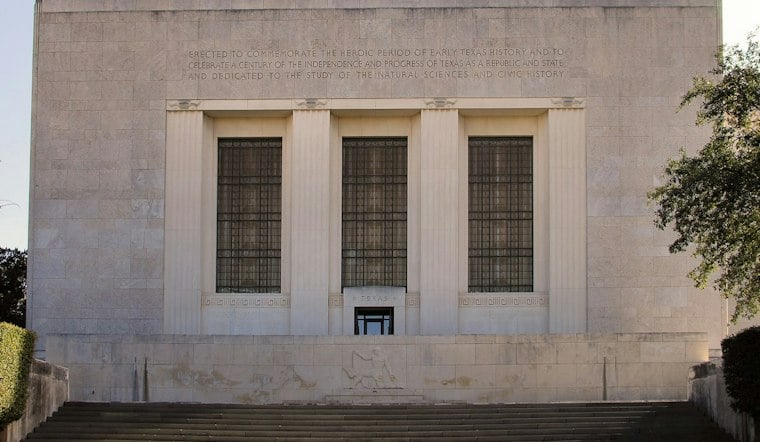
The Texas Archeology Fair is scheduled for September 26 from 10 a.m. to 3 p.m. at the Texas Science & Natural History Museum. The free event will feature more than 20 booths and is open to visitors without prior archeology experience, according to KEYE’s We Are Austin.
Expected participants include the Texas Historical Commission, the Texas Archeological Society, the Gault School of Archaeological Research and area museums. KEYE reported that museum representative Dr. Liam Norris said visitors can bring questions to experts, while State Archeologist Brad Jones will represent the commission. The fair is scheduled shortly before Texas Archeology Month, observed statewide in October.
What to Do With a Possible Artifact
People who encounter a possible artifact should document it rather than remove it. Jones advised photographing the object and recording where it was found; on public land, the item should remain in place while the finder contacts the Texas Historical Commission, the Texas Archeological Society or a local museum, according to the KEYE segment. The location and surrounding material may help researchers interpret the find.
The Antiquities Code of Texas, enacted in 1969, regulates archaeological materials on public property. The Texas Historical Commission says cultural resources on non-federal public lands are eligible for designation as State Antiquities Landmarks, while investigation or excavation generally requires commission authorization. The commission says the law grew out of efforts to stop the plundering of 16th-century Spanish shipwreck remains off the Texas coast.
What public-land protection means
According to the Texas Historical Commission, cultural resources on non-federal public lands are eligible for State Antiquities Landmark designation, and archaeological sites do not have to be listed in the National Register of Historic Places beforehand. The designation provides a state framework for protecting significant cultural resources on public land. The commission also says counties, municipalities and other local agencies must notify it before certain public-land projects, including work involving five or more acres of ground disturbance or 5,000 or more cubic yards of earth moving, according to its Antiquities Code guidance.
Why the Fair Looks So Far Back
The fair’s reference to a human presence as far back as 16,000 years reflects research at the Gault site, a pre-Clovis excavation along Buttermilk Creek about 40 miles north of Austin. A study reported in 2018 dated a group of tools there to between 16,000 and 20,000 years ago, according to Sci.News. Excavations at Gault recovered more than 2.6 million artifacts, including about 600,000 associated with the Clovis period and more than 100 engraved stones, according to Smithsonian Magazine.
The fair will bring together organizations that study Texas’s past through different kinds of evidence. KEYE reported that the museum connects fossils such as mammoths and giant ground sloths with the people who encountered them, while participating organizations will emphasize human artifacts and archaeological sites.
The State Archeologist’s Role
Jones is director of the Texas Historical Commission’s Archeology Division and serves as the state’s official State Archeologist. According to the commission, the division oversees nine regional zones and reviews ground-disturbing public projects. Its responsibilities also include marine archaeology, State Antiquities Landmark designations and unmarked human burial sites.
About the museum
The Texas Science & Natural History Museum was transferred to The University of Texas at Austin in 1959 and is now part of the university’s College of Natural Sciences, according to the museum. Its stated mission is to engage people of all ages with Texas’s unique natural history.





