

























































A Northern Arapaho policy adopted July 15, 2026, requires outside charitable, ministry and outreach organizations to consult with and receive formal tribal authorization before conducting recurring activities on the Wind River Indian Reservation. The council said Foundations For Nations had not obtained that authorization. The church has since been barred from transporting children to and from the reservation and has suspended its youth programming. Enforcement in tribal court could still undergo federal review, according to reporting credited to the Associated Press through KLAS 8 News Now.
Private ownership complicates the dispute
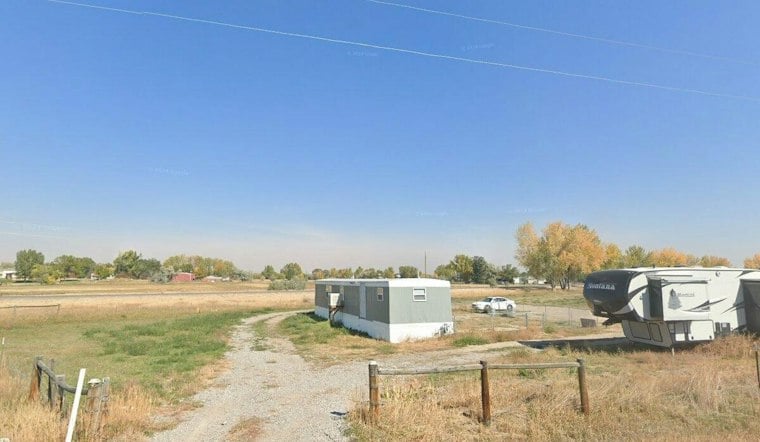
The church occupies privately owned, or fee, land within the reservation rather than tribal land. Under Montana v. United States, the Supreme Court generally limited tribal civil authority over nonmembers on private reservation property, while recognizing exceptions for consensual relationships with a tribe or conduct that directly affects the tribe’s political integrity, economic security, or health and welfare, as summarized by the U.S. Department of Justice. The legal question is therefore whether the disputed activities fall within an exception to the general rule, rather than simply whether tribal officials object to the church.
Reservation land status and the jurisdiction question
The reservation contains multiple land statuses, and the available federal description establishes the scale of the trust-land component without resolving the church’s separate fee-land dispute. According to the Bureau of Indian Affairs’ Wind River Agency, the reservation near Lander includes more than 1,987,994 surface acres in trust under the agency’s stewardship and is home to more than 3,900 Eastern Shoshone and 8,600 Northern Arapaho enrolled tribal members. Courts have treated the Montana analysis as a threshold question about the activity being regulated. According to a 2024 Ninth Circuit opinion in Lexington Insurance Co. v. Smith, courts assessing tribal jurisdiction over nonmembers first ask whether the tribe has regulatory authority over the activity, while recognizing both the Montana exceptions and a tribe’s power to exclude as possible sources of that authority. That case involved insurance claims concerning tribal property and an off-reservation nonmember insurer, so it does not decide the church dispute but illustrates the framework the parties are likely to contest.
That distinction underlies the church’s legal position. Liberty Counsel, which represents Pastor Sarah Lucas, says the property’s private status prevents the tribes from forcing the church off its land. The Northern Arapaho Business Council’s Aug. 31, 2026, resolution acknowledged limits on regulating church operations on private land while denying expansion onto tribal property, according to Liberty Counsel. The organization also argues that constitutional and statutory religious protections apply to Lucas’s speech and ministry.
What prompted the policy
The policy dispute followed a July 2026 sermon in which Lucas characterized the Arapaho Sun Dance as idol worship and urged worship directed only to Jesus. The Associated Press reported that Northern Arapaho and Eastern Shoshone representatives regarded the remarks as an attack on a central spiritual practice and said Lucas, who is not Native American, was no longer welcome on the reservation. Lucas has said the sermon reflected her reading of the Bible and was constitutionally protected. She later expressed regret for the way she delivered the message, but not for its substance, according to the AP report carried by KLAS 8 News Now.
The council’s policy announcement connected oversight of outside ministries to the history of forced assimilation, boarding schools and suppression of Indigenous religious practices. The federal government restricted ceremonies including the Sun Dance and sweat-lodge practices under the 1883 Code of Indian Offenses; the American Indian Religious Freedom Act was enacted in 1978, according to Salish Current. That history helps explain why tribal officials and community members treated Lucas’s characterization of the ceremony as more than an ordinary disagreement over doctrine.
The conflict continues outside the church
Sunday demonstrations have continued outside Foundations For Nations, with tribal members, activists and American Indian Movement participants joining protests. Lucas has said she will not leave the property. In September 2026, she sought civil protection orders against two Native women who organized protests, alleging harassment and threatening conduct, according to WyoFile.
Foundations For Nations was established by Lucas after she moved to Wyoming in 2017. The church built a 21,000-square-foot steel-sided facility on private land, with financial backing connected to Andrew Wommack Ministries, according to Andrew Wommack Ministries and the Gospel Truth Network. The dispute now turns on how the authorization policy applies to recurring activities, what authority tribes may exercise over fee land, and whether the church’s activities implicate recognized exceptions to limits on tribal jurisdiction.





