

























































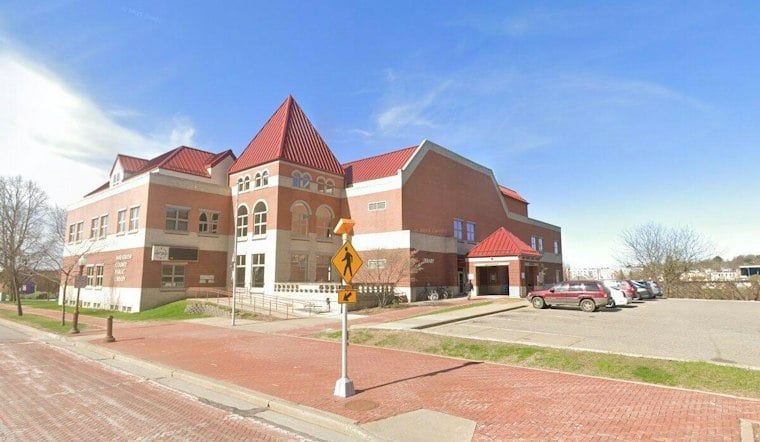
The Wisconsin Department of Public Instruction is asking state lawmakers for $28 million to shore up services for deafblind children, public libraries and cybersecurity protections across the state's K-12 schools, State Superintendent Jill Underly announced this week. The request marks the first of two parts of DPI's 2027-29 biennial budget submission, with the agency planning to send the remainder — covering general school aid — to the Wisconsin Department of Administration in November.
According to Urban Milwaukee, the request comes after the U.S. Department of Education terminated grant funding for the Wisconsin Deafblind Technical Assistance Project in 2025 and later denied DPI's appeal of that decision. The project serves 170 children from birth through age 21 who have both vision and hearing loss, and 85 percent of participants have four or more disabilities, per the same report. DPI has since secured a sub-grant to keep the project running but says it needs $500,000 over the biennium for specialized outreach, consultation, training, family support and technical assistance.
Libraries and Cybersecurity Take Center Stage
The budget request also includes $7.5 million over the biennium for Wisconsin's public library systems, money the agency says would maintain current service levels for library service contracts, BadgerLink and Newsline for the Blind. The additional funding would push state aid to at or above 8 percent of prior-year expenditures, according to the outlet's report. That would come on top of other state aid for Wisconsin's regional public library systems, according to the Wisconsin Department of Public Instruction.
Federal grants remain a meaningful piece of the funding puzzle for regional library networks. A DPI mapping project released in April 2025 found that federal Library Services and Technology Act grants account for roughly 9% of total funding allocations for regional systems like the Wisconsin Valley Library Service, according to Merrill Foto News. Separately, the article cites Wis. Stat. 43.24.
Cybersecurity Dollars Follow National Warning Signs
DPI's request includes $6.7 million in cybersecurity investments intended to help Wisconsin K-12 schools and public libraries prepare for, respond to and mitigate incidents, alongside $12.5 million to modernize major information technology systems that support core agency functions and services to districts and schools, per the report. The cybersecurity ask lands against a backdrop of mounting federal warnings about school vulnerability to attacks. Federal cybersecurity guidance published by CISA in August highlighted that K-12 schools nationwide reported more than 1,300 cybersecurity incidents between 2018 and 2021, as education remains among the top sectors targeted for ransomware and data breaches, according to K-12 Dive. The U.S. Department of Education has separately reported that school districts nationwide experience an average of five cyber incidents per week, ranging from phishing attacks to student data breaches.
More Investigators for Educator Misconduct Cases
The budget also sets aside $350,200 for two additional positions dedicated to educator license investigations, a response to intense scrutiny following past licensing lapses. A Cap Times investigation found that DPI investigated more than 200 educators for alleged sexual misconduct or grooming between 2018 and 2023, reporting that helped prompt 2026 state legislative reforms requiring an online searchable database of misconduct outcomes and banning non-disclosure agreements, according to the Pulitzer Center. The discussion also references the Wisconsin Legislative Council Rules Clearinghouse. Hoodline previously covered Wisconsin's grooming crackdown as Governor Tony Evers signed related statutory overhauls into law.
Rounding out the request is $300,000 to support Special Olympics of Wisconsin and Arts for All. Underly said schools and libraries need resources to serve students and communities, framing the request as addressing operational gaps before the more politically fraught school aid proposal arrives later this fall.
What Comes Next in the Budget Process
Under Wisconsin Statute section 16.42, state agencies must submit biennial budget requests by September 15 of even-numbered years, after which the Department of Administration compiles requests by November 20 before the governor presents an executive budget proposal to the Legislature, according to Wisconsin Legislative Documents. DPI's second-half request, covering general state aid for public schools, arrives against a backdrop of structural funding pressure: Wisconsin's state special education reimbursement rate covers approximately 33% of local school district costs as of 2025, down from historical levels, according to the Wisconsin Public Education Network. The full DPI budget will ultimately be presented to the Wisconsin Legislature and the newly seated governor.




