

























































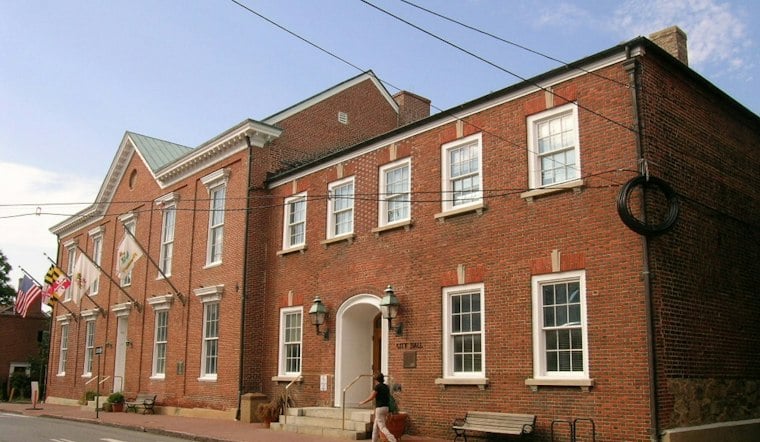
Annapolis has not publicly explained why it declined a posthumous citation for longtime community activist Phil Ateto. At a City Council meeting Monday night, supporters pressed officials for answers; two residents opposing the citation were escorted from the chambers, according to Eye On Annapolis. The council did not vote on the request.
The decision has prompted questions about both the reasons for the refusal and the city’s process. Alderman Rob Savidge said the council had not been officially informed, while Alderman Will Rowell criticized the lack of council discussion. Mayor Jared Littmann thanked people who testified but, according to the report, gave no substantive public explanation for the refusal.
The decision-making process remains unclear
The city’s ceremonial citation guidelines, as described by Eye On Annapolis, call for citations to be signed by the mayor and all council members and say they recognize achievements, community service and contributions. The report says the request form allows the mayor’s office to deny requests at the discretion of the Office of Communications, but the published process does not specify whether council members must be consulted before a request bearing their names is rejected. The city code describes the mayor as the city’s chief executive officer, but that role alone does not answer the consultation question. The City of Annapolis lists the mayor’s executive responsibilities.
The dispute over Ateto’s public advocacy also surfaced at the meeting. Some speakers alleged his advocacy for Palestinians and criticism of Israel’s military actions in Gaza, as well as remarks they considered antisemitic, played a role in the denial. Other speakers argued that criticism of a government should be distinguished from hostility toward a religious community. Littmann has not publicly confirmed that those issues informed the decision, Eye On Annapolis reported; the reason therefore remains unestablished.
Amy Cruice, a senior paralegal with the ACLU of Maryland, said she filed a Maryland Public Information Act request on October 12 for records of citation approvals and denials since December 1, 2025. The report says the city rejected the request as overly broad and that Cruice asked officials to provide the information voluntarily. The request’s outcome, and whether the city will explain its decision, remain unresolved.
A separate county honor provides context
Ateto had received recognition from Anne Arundel County before the current Annapolis dispute. The county says that on February 5, 2020, County Executive Steuart Pittman presented special Executive Citations to 22 African American leaders at a Black History event; its honoree list includes Ateto among the Congressman Elijah Cummings honorees. That county recognition is distinct from the citation now at issue in Annapolis and does not establish why the city declined its request. Anne Arundel County Government’s account documents the earlier honor.
Rowell also raised the unfinished Maynard-Burgess House restoration during the meeting. The city describes that project as creating office and exhibit space while preserving the building’s upper levels. This preservation work supplies context for the concern raised at the meeting, but it does not establish a connection between the restoration and the citation decision. The city’s project description outlines the planned use.
Ateto, who died in July at 48 after living with multiple myeloma, was known for work on civil rights, police accountability, affordable housing and health care access, according to Eye On Annapolis and the Backbone Campaign. Whether Annapolis will reconsider the citation—or clarify who had authority to refuse it and why—remains open.





