

























































A $3 Million Loan, a 15-Year Foreclosure, and One Last Stand on Bristol Drive
AURORA, Ohio — For most Ohio homeowners, a foreclosure is over in a matter of months. For Louis A. Telerico, it has lasted for most of his 70s and into his 80s.
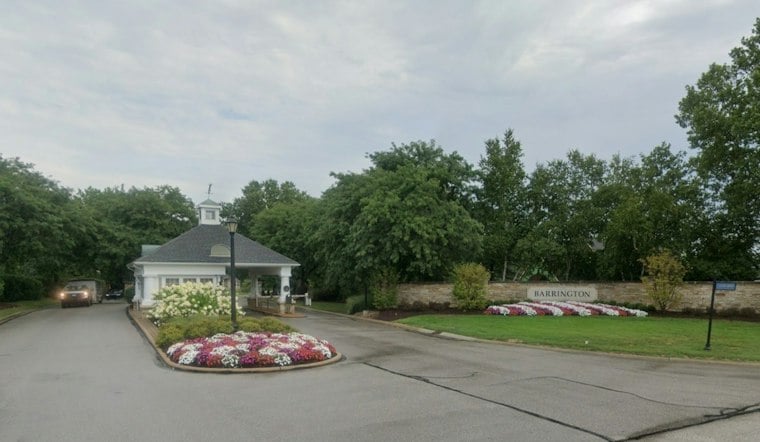
Bank of America sued to foreclose on Telerico's home at 545 Bristol Drive, in the Barrington subdivision, on August 23, 2011. The court did not enter the final order of foreclosure until November 7, 2024. The sheriff sold the house on January 27, 2025, and an appeals court upheld that sale on December 1, 2025, according to the Eleventh District Court of Appeals' opinion in Bank of America v. Telerico, 2025-Ohio-5369. Telerico still lives in the house.
That may change soon. News 5 Cleveland reported this week that a magistrate has approved his eviction at the request of ERADAL, the investment company that bought the property from the bank. Telerico's attorney, Mark Graziani, told the station the two sides are negotiating a purchase agreement that would let Telerico buy the home back. ERADAL president Eric Lindsey said he is open to a deal but doubts Telerico can raise the money. "I'm not so confident," Lindsey said.
How the debt began
According to a 2018 filing in Telerico's Chapter 11 bankruptcy case (U.S. Bankruptcy Court, N.D. Ohio, Case No. 17-50236), Telerico signed a $3 million promissory note to Bank of America in July 2001. The note was secured by a mortgage on the Bristol Drive house, which was held in his revocable trust. In 2009 he took out a second loan of up to $400,000 from his then-employer, the brokerage Stifel, secured by the same real estate. Telerico later argued that the Stifel note was really a disguised advance on broker commissions, and he pursued a FINRA arbitration claim against the firm. By 2017, Bank of America said in a proof of claim that it was owed about $3.73 million. The same filing shows the county treasurer held a first-priority property-tax lien on the house of roughly $425,000.
When construction stopped, the house was not yet finished. A 2007 Cuyahoga County Common Pleas ruling describes Telerico as a highly successful Merrill Lynch investment counselor who ran his own group there. The ruling says the Bristol house was a new home under construction when the Domestic Relations Court halted the project during his divorce. By that point, about $10 million had reportedly been put into it, but the only appraisal presented at trial valued it at $2.3 million.
That ruling came out of a criminal case connected to the divorce. Telerico was charged with retaliation and menacing after his wife's divorce attorney accused him of threatening him during a 2006 settlement conference. Judge Stuart A. Friedman, sitting without a jury, found Telerico not guilty on all three counts. The judge concluded that the attorney had deliberately goaded him and had "laid a trap" for him.
Why 14 years?
Ohio requires lenders to foreclose through the courts, but most cases move quickly. Ohio Legal Help says the process usually runs from six months to two years.
The Telerico case went to the court of appeals at least three times. In 2015, a trial court entered summary judgment concerning Stifel. In 2017, it dismissed an appeal for lack of a final order. That appeal concerned a summary judgment entered against Telerico for about $3.66 million, and no decree of foreclosure had been issued yet. In February 2017, Telerico filed for Chapter 11 bankruptcy, and the FINRA arbitration was stayed. In that case he proposed selling vacant lots next to the house to pay creditors. News 5 reported that court records show multiple bankruptcy filings overall.
Mark Rodio, a Cleveland real-estate attorney, told News 5 he had never seen a foreclosure last this long. He said borrowers have many procedural ways to slow a case down. Telerico has not been found to have done anything illegal.
The appraisal numbers
News 5 cited the county's $4.5 million appraisal. Ohio Legal Help says sheriff's sales generally cannot be for less than two-thirds of appraised value.
Bank of America bid $3,666,667, according to the appellate opinion. The bank bought the house at a figure close to the judgment it had won against Telerico.
News 5 described the house as 17,000 square feet.
The last appeal
Telerico's final appeal did not challenge the foreclosure itself. He argued that Bank of America had not properly served his lawyer with its motion to confirm the sale, and that the trial court ruled only one day after the motion was filed, leaving him no chance to respond. The three-judge panel assumed for argument's sake that service may have been defective, but it held that any error was harmless. Under Ohio law, the trial court was already required to confirm a lawful sheriff's sale. The bank's motion contained only the date and price of the sale, so Telerico could have raised any objection to those facts on appeal anyway. The panel affirmed the sale and assessed costs against Telerico.
What comes next
ERADAL project manager Greg Cutting told News 5 that the company posted three-day eviction notices and Telerico did not respond. Cutting also said ERADAL has already treated the overgrown grounds with at least 25 gallons of weed killer, marked trees for removal, and found cracked roof slate and other damage.
Graziani told the court his client wants the process to move no faster than he can arrange financing. Approached by News 5 after the hearing, Telerico declined an interview. He said he intends to stay in the house for the rest of his life and believes he can get the loan he needs to buy it back.
Lindsey told the station that if Telerico cannot close a deal, ERADAL will take possession, clean up the property, and restore it.





