

























































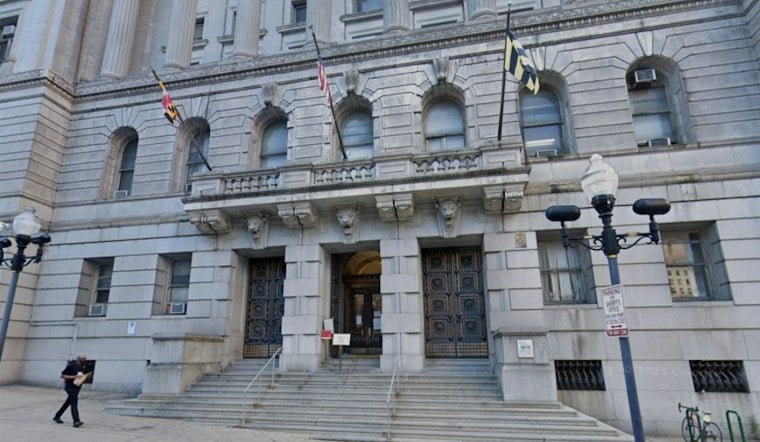
A Baltimore woman has pleaded guilty to felony theft and financial exploitation of a vulnerable adult after prosecutors said she coerced her 91-year-old godmother, a widowed retired schoolteacher with dementia, into signing over her home and then drained $70,000 from her savings within four months. Shea Green was sentenced to 10 years with all but time served suspended, plus three years of probation, after spending 116 days on home detention before her trial date.
According to CBS News, Green assumed power of attorney over her godmother and coerced the victim into transferring the deed to her home back in 2018, years before the financial abuse was finally uncovered. The outlet reports that Green then emptied the elderly woman's savings account within a four-month span, leaving her without resources even as she remained living in her own house.
The case didn't come to light through a bank audit or a family member's tip — it was a neighbor who noticed something was wrong. The station's report says the victim's neighbor discovered the crimes after finding her at home with an empty refrigerator, prompting community members to step in with food and help her report possible fraud to her bank.
Prosecutors Credit Neighbors for Breaking the Case Open
Baltimore City State's Attorney Ivan Bates said the community members who intervened took the right action to help the victim seek justice, per the same account. That kind of outside intervention matters: research from the National Adult Protective Services Association indicates that 90% of elder financial abuse perpetrators are family members or trusted individuals, and only one in 44 financial abuse cases is ever reported to authorities.
The scale of this single case fits a larger pattern across Maryland. The FBI's Internet Crime Complaint Center found that more than 3,200 Maryland residents aged 60 and older lost a combined $80 million to financial fraud and exploitation schemes in 2024, according to the U.S. House of Representatives. Nationwide, the FBI's 2024 Elder Fraud Report shows older adults lost more than $4.88 billion to fraud that year, with an average individual loss of roughly $83,000 — putting the Baltimore victim's $70,000 loss squarely within that national pattern.
Why an Unencumbered Home Made an Attractive Target
Deed theft cases like this one are increasingly drawing attention from title industry researchers. A September 2026 study by the American Land Title Association found that 59% of title firms encountered seller impersonation or title fraud in 2025, with unencumbered primary residences representing 68% of targeted properties, as detailed by PROGRESS in Lending. A Maryland law establishing a task force to study deed fraud and recommend action took effect Thursday; the proposed criminal prohibition and grant fund were removed before enactment.
Under Maryland Criminal Law § 8-801, financial exploitation of a vulnerable adult involving property valued at $25,000 or more but less than $100,000 is a felony punishable by up to 10 years in prison and a $15,000 fine, according to Maryland law. That same statute provides for restoration of the property or its equivalent value to the victim or their estate; separately, the judge ordered Green to return full ownership of her godmother's home.
A Dedicated Unit Built for Cases Like This One
The prosecution reflects a deliberate shift in how Baltimore handles crimes against older residents. In September 2023, the Office of the State's Attorney for Baltimore City established a dedicated Older and Disabled Persons Unit within its Economic Crimes division to handle cases of financial exploitation, deed fraud, and caregiver abuse targeting vulnerable residents, fulfilling a campaign promise Bates made to address crimes against elderly residents.
That unit has secured other convictions this year. In June, prosecutors won a felony conviction against an in-home hospice caretaker who stole $5,000 from a 90-year-old patient and her 94-year-old husband; that caretaker received a suspended sentence with 100 days served and three years probation. Similar Maryland cases include an Ellicott City caregiver sentenced for abusing a vulnerable adult and a Howard County woman who received five years for false Medicaid claims.
The State's Attorney's Office operates a specialized helpline, 844-726-6378, and provides transportation for victims to meet discreetly with staff and partners. As for the victim in this case, she is now thriving at age 93 in an assisted living residence, and she frequently revisits her former home, per CBS News's reporting.





