

























































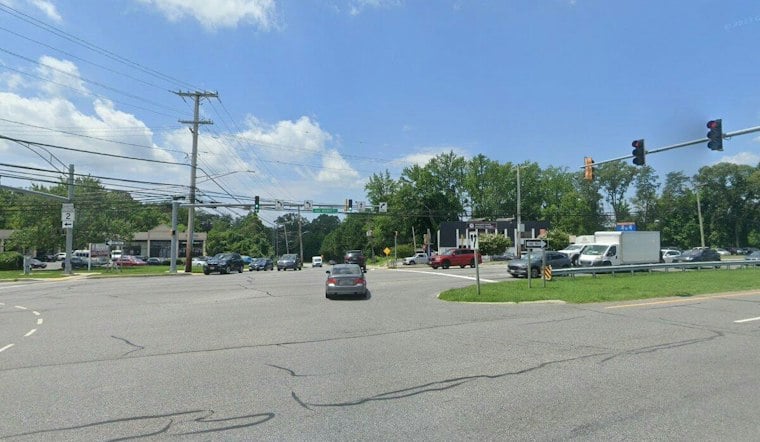
A driver struck and killed 54-year-old Steven Reynolds as he walked in a crosswalk at Ritchie Highway and Magothy Bridge Road in Severna Park, and now state and regional officials are leaning hard into a safety campaign aimed at drivers, cyclists and pedestrians alike. The timing is no accident: October has historically been the most dangerous month of the year for people on foot across the Baltimore region, and officials say this year is shaping up to follow that grim pattern.
The Maryland Department of Transportation and the Baltimore Metropolitan Council are expanding their Look Alive pedestrian and bicycle safety campaign throughout the month, according to CBS News Baltimore. The push combines education, media outreach and stepped-up enforcement, building on a program that Baltimore Metropolitan Council says was launched in 2019 as a regional effort focused on pedestrian and bicyclist safety.
Anne Arundel County police arrested Michael Garner Hilliard in connection with the hit-and-run that killed Reynolds, as reported by CBS News Baltimore. A press release from the Anne Arundel County Police Department said a vehicle struck a pedestrian in the crosswalk on northbound Ritchie Highway at Magothy Bridge Road, and that the pedestrian later died from his injuries. The release identified the suspect as 56-year-old Hilliard, who was being held without bail while the investigation continued pending formal charges.
Why October Is the Deadliest Month on Baltimore's Streets
The numbers behind the renewed urgency are stark. Last October, 142 pedestrian-involved crashes were reported across the Baltimore region, more than any other month of the year, the station's report notes. Officials say shorter days and reduced visibility make it harder for drivers to spot people walking or biking as the sun sets earlier and glare shifts into drivers' eyes.
Per the same account, fall brings a familiar set of hazards: shorter days, more hours of darkness and lower sun angles that cut down roadway visibility right as children return to school and foot and bicycle traffic picks back up. Those same seasonal conditions are echoed by WYPR, which reports that pedestrian fatalities make up about 20 percent of all traffic deaths statewide, and that as the sun sits lower in the sky, roadway visibility decreases and the likelihood of pedestrians and bicyclists being involved in incidents increases.
The Baltimore region's exposure to this risk runs deeper than any single month. From 2019 through 2023, roughly 40 percent of Maryland's traffic-related fatalities occurred within the region, according to Baltimore Metropolitan Council, which also reported an average of 232 fatalities and 1,325 serious injuries each year during that span. The Look Alive campaign's own data shows pedestrians and bicyclists made up 21 percent of the region's 205 traffic fatalities in 2025, and that pedestrian deaths in the Baltimore region accounted for 43 percent of the state's pedestrian fatalities that year.
What the Campaign Looks Like on the Ground
Look Alive's approach blends television and outdoor advertising with grassroots outreach and media relations, according to the campaign's official site. That messaging push is paired with increased law-enforcement waves targeting traffic safety law violations, which the same source notes come with fines ranging from $50 to $400.
Mike Kelly, executive director of the Baltimore Metropolitan Council, said drivers and pedestrians should take extra care at crosswalks and while out and about, per WBAL NewsRadio. He advised pedestrians to make eye contact with drivers, make sure cars are actually slowing down, confirm that crossing is safe, and look out for one another. For drivers, Kelly's advice was simple: put down the phone, keep your eyes on the road, and watch for pedestrians, children and crosswalks.
Kelly also pointed to a broader silver lining, attributing a year-over-year decline in pedestrian and cyclist deaths to improved street technology and increased vigilance, and saying that greater attention from both drivers and pedestrians is contributing to the drop, according to WBAL NewsRadio. That local account cited a 46 percent year-over-year decline attributed to the Maryland Department of Transportation, a figure distinct from a separately reported statewide snippet describing a 33 percent drop in combined pedestrian and bicyclist fatalities, from 173 in 2024 to 116 in 2025.
A Message Agencies Keep Repeating
Officials have stressed that most pedestrian crashes are not the fault of the people on foot, even though pedestrians face the greatest danger when a crash does happen. That framing underpins why agencies are urging drivers, pedestrians and bicyclists alike to stay vigilant as October — recognized as National Pedestrian Safety Month — continues.
The 2022 pedestrian fatality count in the United States, the highest in more than 40 years according to the Look Alive campaign, underscores why officials describe this as more than a seasonal messaging exercise. For families in Severna Park grieving Reynolds and for commuters navigating darker evening drives across the region, the campaign's core ask remains straightforward: slow down, make eye contact, and treat every crosswalk as if someone's life depends on it — because, as the case tied to Hilliard's arrest shows, it sometimes does.




