

























































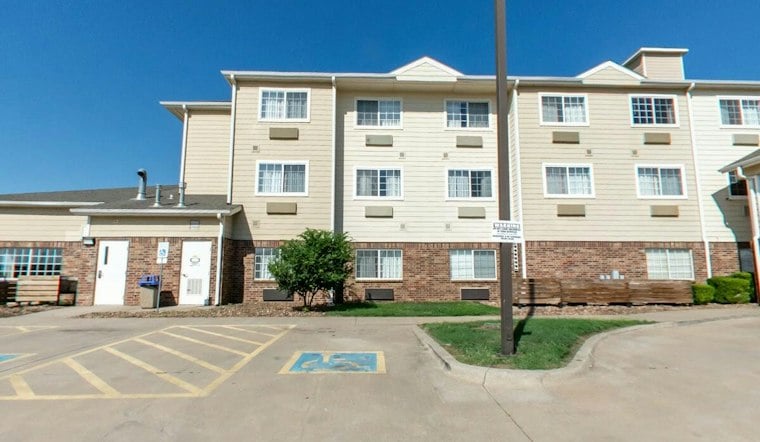
A Blackwell, Oklahoma hotel chain is facing a federal lawsuit after allegedly demoting a pregnant housekeeper, slashing her hours, and firing her just three days after she confronted her manager about the treatment. The U.S. Equal Employment Opportunity Commission says the case centers on Taylor Wickham, a former front-desk worker at the Quality Inn of Blackwell, who lost her job in 2024 after she refused to quit over what she described as relentless pressure tied to her pregnancy.
According to court filings reviewed by The Journal Record, Wickham started as a housekeeper at the hotel in October 2023 and was promoted to the front desk within a week, where she worked daytime shifts. The Quality Inn sits at 4545 W. White Ave. off Interstate 35 and is part of the Continental Inn chain, which court records say is owned by Senthilkumar Manoharan. In March 2024, Wickham told a manager she was pregnant and due at the end of September, and, per the filing, she requested no special accommodations.
Manager Allegedly Questioned Why a Pregnant Woman Was Working
The trouble escalated the following month, the filing states, when manager Jaime Huerta learned of Wickham's pregnancy during a management meeting and questioned why a pregnant woman was working at all. Manoharan allegedly called her pregnancy a liability, and Huerta told Wickham she had to resign by July 2024. Wickham refused.
From there, the complaint alleges a pattern of daily harassment once Huerta moved on-site: following Wickham around while she worked, questioning what she ate, and asking whether her fiancé was providing for her. Huerta is also accused of claiming Wickham could not work past her third trimester, altering her schedule, demoting her back to housekeeping, cutting her hours, and assigning her an evening shift in May 2024 that conflicted with caring for her young daughter. Wickham kept working anyway, the filing says, because she needed the income for her family and remained physically able to do the job.
Court records allege Huerta planned to force Wickham onto leave about a month before her due date and intended to cut her hours further to push her out. In June 2024, Wickham confronted Huerta directly over the harassment and what she called illegal discrimination. Three days later, hotel management fired her when she returned from a scheduled weekend off — a termination the EEOC says came one month before her third trimester began, according to the EEOC's litigation announcement.
Case Heads Toward a Jury After Settlement Talks Collapse
Wickham filed a discrimination charge with the agency, and on March 25, 2026, the EEOC issued a reasonable-cause determination finding the hotel had violated Title VII. The commission then tried to settle the matter with the hotel owner outside of court, but those negotiations failed.
The federal complaint, filed September 28 in the U.S. District Court for the Western District of Oklahoma under case number 5:26-cv-02667-J, names three affiliated corporate entities as co-defendants: Continental Inn III, LLC, Continental Inn, LLC, and Continental Blackwell II, LLC, according to filings tracked on PacerMonitor. Per Human Resources Director America, the Continental Inn group operates lodging properties across both Oklahoma and Texas through this network of affiliated LLCs, making the Blackwell dispute part of a larger regional hospitality operation rather than a single standalone motel.
The EEOC alleges the defendants subjected Wickham to a hostile work environment, demoted her, and ultimately discharged her because of her pregnancy, then retaliated against her for complaining. The agency is seeking a jury trial under Title VII of the Civil Rights Act of 1964 and has cited violations of the Pregnancy Discrimination Act of 1978 and Title I of the Civil Rights Act of 1991. Court filings indicate the commission is asking the court to award Wickham back pay, lost benefits, compensatory and punitive damages, and reinstatement to her former job.
Federal Officials Invoke Pregnant Workers Protections
The lawsuit arrives as the 2023 Pregnant Workers Fairness Act reshapes expectations for employers, providing accommodations and protections for pregnant employees and making clear that employers should not make assumptions about a worker's pregnancy and job-related abilities. EEOC District Director David S. Davis said pregnant workers deserve dignity and livelihood protections, adding that no pregnant worker should endure stereotypes, intimidation, or retaliation because she is expecting a child. The suit was brought by the EEOC's St. Louis District Office, where Davis serves alongside Regional Attorney Andrea G. Baran, after mandatory pre-litigation conciliation failed, the agency says.
The Blackwell case fits into a broader wave of federal scrutiny on Oklahoma employers this year. As McAfee & Taft notes, the EEOC sued Oklahoma City homebuilder Home Creations in July 2026 over similar allegations, and in February 2026 reached a $90,000 settlement with Urologic Specialists of Oklahoma over pregnancy and disability discrimination claims. Nationally, Title VII pregnancy discrimination charges rose 49 percent in fiscal year 2025 to 3,183 charges, according to the Eghbali Law Firm. Fiscal year 2024 was the first full year of enforcement under the Pregnant Workers Fairness Act.
The EEOC filed 97 lawsuits nationwide in fiscal year 2026, with retaliation among its priorities, according to Seyfarth Shaw.
As the case moves toward a jury trial following the collapse of settlement talks, the allegations against Continental Inn III, LLC, Continental Inn, LLC, and Continental Blackwell II, LLC remain unproven claims that have not yet been tested in court.



