

























































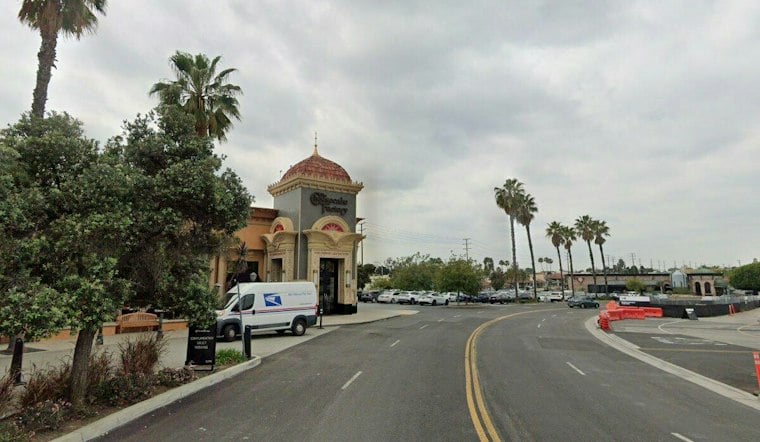
Rolan Pastores was in the middle of a workout at a Brea gym when his heart suddenly stopped. In the moments that followed, it wasn't medical staff but fellow gym-goers who stepped in, performing life-saving measures that kept him alive.
Pastores had been working out at Life Time Fitness in Brea when he suffered cardiac arrest, according to CBS News Los Angeles. The station reported that skilled bystanders at the gym performed life-saving measures for Pastores as the situation unfolded.
Life Time's Brea location, where the incident took place, is a sprawling facility — the club is set on three acres and spans 85,000 square feet, according to the company's own description of the site on lifetime.life. It's the kind of large, busy health club where any given moment can put dozens of members within arm's reach of someone in distress.
What the Research Shows About Gym Cardiac Emergencies
Cases like Pastores' aren't as rare as one might hope, and the response he reportedly received lines up with broader patterns researchers have found in exercise settings. A systematic review of 29 studies published in the British Journal of Sports Medicine found that bystander CPR was initiated in a median of 71% of exercise-related sudden cardiac arrests, while bystander use of an automated external defibrillator occurred in a median of 31% of cases, per the British Journal of Sports Medicine.
That same review found a median survival-to-hospital-discharge rate of 32% among the studies that reported that outcome, and researchers concluded that both bystander CPR and AED use were associated with survival after exercise-related sudden cardiac arrest. The review also noted that most patients in these cases were male, middle-aged, and presented with a shockable arrest rhythm — underscoring, the study's authors wrote, the importance of rapid access to defibrillation and early recognition of the emergency.
A Pattern Seen Beyond Brea
Broader national data likewise points to how much bystander response matters in cardiac emergencies. Survival to hospital discharge after EMS-treated adult out-of-hospital cardiac arrest stands at 10.5%, while favorable neurologic survival is 8.2%, according to the American Heart Association's CPR and Emergency Cardiovascular Care guidelines, published by American Heart Association CPR & First Aid.
A similar story played out recently in Arizona, where a Tucson pickleball player survived cardiac arrest at Udall Park after bystanders performed CPR and used an AED. Those bystanders later reunited for a Carondelet honor ceremony highlighting CPR awareness, according to KOLD. The Brea case adds to a growing list of incidents where everyday people at gyms and recreation facilities have made the difference between life and death in the critical minutes after a sudden cardiac event.





