

























































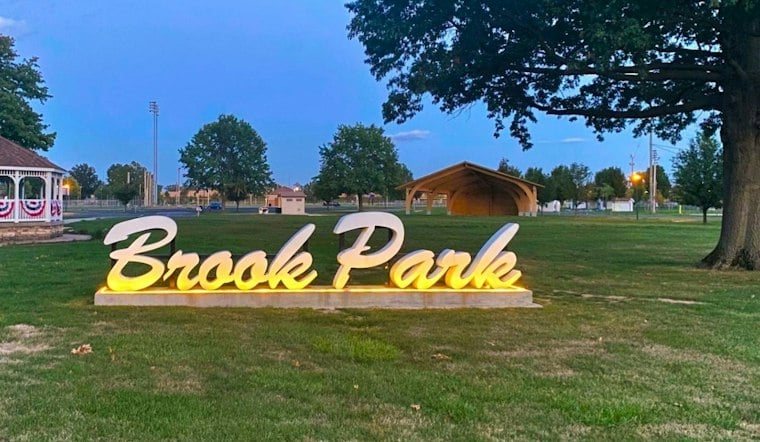
Brook Park voters will head to the polls on Nov. 3 to decide whether elected officials should keep needing public approval for pay raises larger than 3%, or whether that power should shift to the city's normal governing process. The question, known as Issue 29, won't change anyone's salary right away — it's strictly about who gets to make that call going forward.
As Cleveland.com reports, Brook Park's current city charter requires voter approval before elected officials can receive a pay raise greater than 3%. Issue 29 asks whether to eliminate that requirement altogether. If it passes, officials could see raises above that threshold without the matter ever landing on a future ballot again.
The proposal is narrowly about process, not paychecks. It does not immediately raise pay for any elected official, nor does it set new salaries, according to the same report. If voters approve the amendment, decisions on future raises would instead move through Brook Park's normal government process rather than requiring a public vote.
What Happens If Voters Say No
Should Brook Park voters reject Issue 29, the current voter-approval requirement stays exactly as it is — meaning any future raise above 3% for elected officials would still need to go before the public, per the report. That status quo has been part of the charter's salary provisions for decades; the charter's Section 4.04, covering “Salaries and Bonds,” carries an amendment date of Nov. 7, 2000, according to the Brook Park Charter as published by American Legal Publishing. The charter itself traces back to its original adoption on Oct. 18, 1966.
Cleveland.com and The Plain Dealer reached out to Brook Park officials for comment on why the charter amendment was placed on the Nov. 3 ballot in the first place, but the report does not include a response explaining the city's reasoning.
A Similar Fight Is Playing Out in Stow
Brook Park isn't the only community wrestling with how elected officials get paid this election cycle. In Stow, voters could decide this fall whether to approve pay raises and automatic annual cost-of-living increases for three top officials, the same outlet reported in May. That measure would raise the salaries of Mayor John Pribonic, Law Director Drew Reilly and Finance Director Kelly Toppin to $100,000 starting Jan. 2, 2028 — up from roughly $80,000 each currently, under an ordinance the outlet described.
Unlike Brook Park's process-focused question, Stow's proposal would lock in specific dollar figures and tie future annual raises to whichever is greater: the Consumer Price Index increase or the highest percentage bump negotiated by the city's collective bargaining units, the report noted. Stow's charter, like Brook Park's, requires voter approval before salary changes for elected offices can take effect.
What State Law Says About Mid-Term Pay Changes
Any changes that do eventually move through Brook Park's process will still have to answer to state law. Ohio law states that the salary of a city officer may not be increased or diminished during the term for which the officer was elected or appointed, with a narrow statutory exception tied to the increased cost of continuing identical benefits, according to the Ohio Revised Code. Separately, state law permits notice of a proposed municipal charter amendment either by mailing a copy at least 30 days before the election or by publishing the full text for at least two consecutive weeks, with the first publication at least 15 days before the election, in accordance with Section 9 of Article XVIII of the Ohio Constitution, per the Ohio Revised Code.
For now, the outcome of Issue 29 rests with Brook Park voters on Nov. 3. Whether they choose to keep their direct say over future raises or hand that authority to the city's standard governing process, the vote marks a notable shift in how one Cuyahoga County suburb manages the pay of the people who run it.





