

























































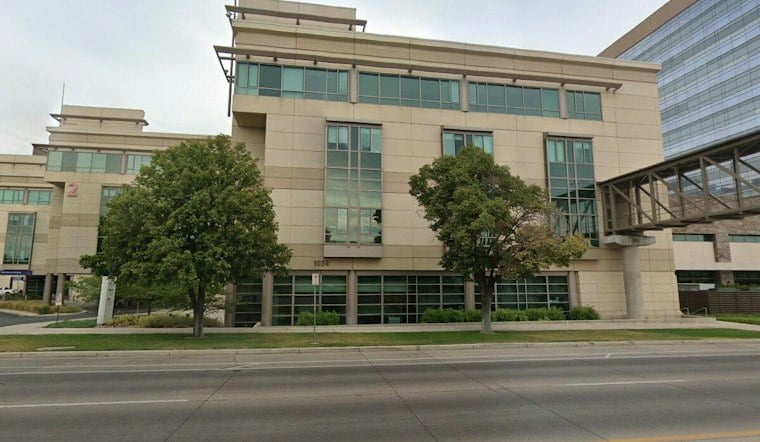
BYU has received preliminary accreditation to recruit the first class for its planned M.D. program, a 60-student cohort expected to begin coursework in Provo in July 2027. The approval advances the program announced by the university and The Church of Jesus Christ of Latter-day Saints in 2024. BYU’s announcement and KUTV’s report say the accreditation allows the school to begin recruiting; BYU has not yet opened applications, and further application details are expected later.
A new program in an existing medical-education hub
BYU’s M.D. program will join a local landscape that already includes Noorda College of Osteopathic Medicine. Noorda says it has accreditation from the Commission on Osteopathic College Accreditation. The American Association of Colleges of Osteopathic Medicine reported that Noorda received pre-accreditation in December 2020 ahead of its planned inaugural class in fall 2021—a separate osteopathic-school launch, not an earlier stage of BYU’s M.D. program. Noorda’s accreditation page and AACOM’s 2020 announcement document those milestones.
Utah’s existing M.D. education also provides context for the new class. The University of Utah’s Spencer Fox Eccles School of Medicine describes its House Model as having about 18–24 students per class in each House, with approximately 72–96 students in a House overall. Those figures describe the model’s learning groups, not the school’s total enrollment or a direct comparison with BYU’s planned cohort. The school’s House Model information outlines the structure.
A 2020 Utah Medical Education Council report offers a separate, statewide workforce snapshot: across its three most recent report iterations, an average of 42% of physicians reported residency training in Utah as a tie to the state, and 27% reported attending medical school in Utah. Those dated figures describe physician ties; they do not establish what effect BYU’s program will have on the state’s physician supply. The council’s report provides the underlying data.
Provo facilities and clinical training
The first students are expected to study in renovated space in the former Provo High School building while BYU develops a permanent campus nearby. BYU says the planned West Campus facility will cover 275,000 square feet, with construction expected to begin in 2027. KUTV reported that the former school building will serve as temporary space.
For clinical education, BYU plans to work with Intermountain Health and the University of Utah rather than build its own hospital system, according to KUTV. Intermountain Health’s Utah Valley Hospital, adjacent to BYU’s West Campus, is planned as the primary clinical affiliate for rotations and hands-on training. The arrangement is part of the school’s planned training model; its future effects on Utah’s physician workforce are not established by the workforce figures cited above.





