

























































In October, the California Fish and Game Commission approved two marine conservation areas near Santa Barbara County, the first tribally led proposals to join the state network. Point Sal passed unanimously and Mishopshno, off Carpinteria, passed 3-2; each covers about nine square miles. The approvals are the network’s first additions since 2012, according to the Natural Resources Defense Council.
The rules allow hook-and-line fishing from shore at both areas but prohibit commercial fishing and fishing from boats, according to the California Ocean Protection Council. Commission records specify an exemption for tribal take by the Santa Ynez Band of Chumash Indians at Mishopshno. The 9.05-square-mile area was co-led by the tribe, with the Environmental Defense Center as a co-sponsor; the Los Angeles Times reported that its name refers to a nearby historic village. The exemption appears in California Fish and Game Commission records.
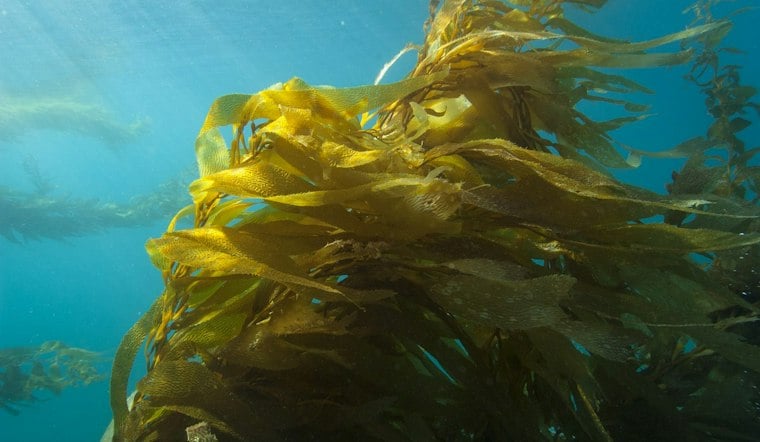
The Northern Chumash Tribal Council, chaired by Violet Sage Walker, co-led the Point Sal proposal. The area includes a kelp forest, a white shark nursery and waters where currents can help retain fish larvae, according to the NRDC. Point Sal is also within the Chumash Heritage National Marine Sanctuary, designated in 2024 and effective November 30 of that year, according to NOAA. Walker told the Times the state designation offers stronger protection than the federal sanctuary and could help guard against possible oil and gas leases.
State agencies took different positions on the proposals. The California Department of Fish and Wildlife advised against creating the areas and favored pursuing tribal management through a separate process; the Ocean Protection Council recommended approval, according to the Times and the Council’s recommendations. During commission debate, Commissioner Jacque Hostler-Carmesin acknowledged the effect on fishing access while arguing that the Chumash people had earned the right to manage the area, the Times reported.
Fishing businesses also raised concerns about how the restrictions could affect their operations. In interviews reported by the Times, Jaime Diamond, owner of Stardust Sportfishing and head of Santa Barbara Landing, said Mishopshno could make her company’s affordable half-day trips impractical and require boats to travel farther. Dave Colker of the Ventura County Commercial Fishermen’s Assn. said reduced local catches could increase reliance on seafood shipped from Chile or Mexico, and that the effects on his members had not been assessed in detail.
What monitoring of existing protected areas shows
California Sea Grant reported greater resilience to disturbance, including marine heatwaves, at monitored rocky intertidal sites inside existing MPAs.
The decisions followed California’s first decadal review of its marine protected area network, which considered 15 public and tribal petitions submitted in late 2023, according to The Santa Barbara Independent. They also come amid the state’s 30x30 effort, launched in 2020 to conserve 30% of its land and coastal waters by 2030. As of June, California had conserved 27.1% of its land and 21.9% of its coastal waters, the Times reported.





